Indianapolis Roofing Warning: How Poor Ventilation Leads to Roof Rot
Indianapolis Roofing Warning: How Poor Ventilation Leads to Roof Rot
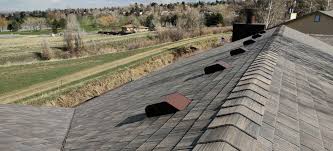
Indianapolis Roofing Warning: How Poor Ventilation Leads to Roof Rot
Indiana's extreme weather patterns create unique challenges for homeowners. From scorching summers reaching 90°F to freezing winters dropping below 20°F, these dramatic temperature swings put immense stress on residential roofing systems.
Your roof faces a critical threat: inadequate ventilation leading to devastating rot.
Indianapolis homes battle:
- Intense humidity levels
- Rapid temperature fluctuations
- Heavy seasonal rainfall
- Severe winter storms
These conditions create perfect environments for moisture accumulation in poorly ventilated attics. Without proper airflow, trapped moisture attacks your roof's structural integrity from the inside out.
The cost of ignoring ventilation issues? Thousands in repairs, compromised home safety, and potential health hazards from toxic mold growth.
This guide exposes the hidden dangers of poor roof ventilation in Indianapolis properties. You'll discover:
- Warning signs of ventilation problems
- How moisture leads to structural damage
- Critical prevention strategies
- Professional solutions for lasting protection
Don't wait for visible damage. Understanding proper roof ventilation now saves significant repair costs later. Let's examine how inadequate ventilation threatens Indianapolis homes and what immediate steps protect your investment.
Understanding Roof Ventilation
Roof ventilation is an essential system that allows air to flow in and out of your attic, preventing moisture damage and extreme temperatures in your Indianapolis home. It consists of vents strategically placed to work together and create the best conditions for your attic.
Key Components of a Roof Ventilation System:
- Intake Vents: Located at the lowest points of the roof
- Exhaust Vents: Positioned near or at the peak of the roof
- Soffit Vents: Installed under the eaves of the roof
- Ridge Vents: Running along the entire peak of the roof
- Baffles: Directing airflow between the soffit and attic space
How Does Roof Ventilation Work?
A properly ventilated roof operates on a simple principle: cool air enters through lower vents while warm air exits through upper vents. This natural process, known as convection, creates a continuous airflow that removes excess heat and moisture from your attic space.
- Fresh air enters through soffit vents
- Air moves upward through the attic space
- Heated air exits through ridge vents
- The process repeats continuously
The Role of Soffit and Ridge Vents
Soffit vents play a crucial role in bringing in fresh outside air, while ridge vents work in tandem with them to expel hot, humid air. By having these two types of vents working together, you can achieve optimal ventilation for your roof.
Proper Ventilation Ratios
To ensure effective ventilation, it's important to follow certain ratios:
- 1:300 minimum ventilation ratio
- 50% intake vents
- 50% exhaust vents
- 1 square foot of ventilation per 300 square feet of attic space
These ratios help maintain a balanced system that prevents various issues such as heat buildup, moisture accumulation, ice dam formation, mold growth, and structural damage.
The Benefits of Roof Ventilation
A well-designed roof ventilation system offers several benefits:
- Protection against seasonal temperature extremes
- Prevention of moisture-related problems such as mold and rot
- Extended lifespan for your roofing materials
By investing in proper roof ventilation, you can ensure a comfortable living environment while safeguarding your home from potential damage caused by inadequate airflow.
The Climate Challenge: Indianapolis Weather and Its Impact on Roofs
The weather in Indianapolis experiences dramatic shifts that create unique challenges for roofing systems. The city's continental climate brings:
- Summer temperatures reaching 90°F+ with high humidity
- Winter temperatures plunging below 20°F
- Annual precipitation of 42+ inches
- Rapid temperature fluctuations between seasons
These extreme weather patterns create a perfect storm for roof damage. During winter months, Indianapolis roofs face:
- Ice formation along eaves
- Snow accumulation stress
- Freeze-thaw cycles that expand and contract roofing materials
Summer brings its own set of challenges:
- Heat buildup in attic spaces reaching 150°F+
- High humidity levels that saturate building materials
- UV radiation degrading roofing components
The constant temperature swings trigger a dangerous moisture cycle in attics:
- Warm air rises and carries moisture
- Cold surfaces cause condensation
- Water droplets form on rafters and decking
- Wood absorbs excess moisture
- Structural materials begin deteriorating
Indianapolis's geographical location amplifies these risks:
- Position in "tornado alley" brings severe storms
- Lake effect weather patterns increase precipitation
- Humid subtropical influences create moisture-heavy air
Local climate factors make Indianapolis homes particularly susceptible to:
- Accelerated shingle aging
- Hidden moisture damage
- Structural wood decay
- Mold growth in attic spaces
These harsh environmental conditions demand robust roofing systems with proper ventilation to combat moisture accumulation and temperature extremes.
How Poor Ventilation Leads to Roof Rot
Poor roof ventilation creates a dangerous cycle of moisture accumulation in your attic space. When warm, humid air becomes trapped, it condenses on cooler surfaces, creating water droplets that settle on wooden structures. This persistent moisture transforms your attic into an ideal breeding ground for destructive organisms.
The Moisture Accumulation Process:
- Water vapor rises from living spaces
- Trapped air prevents moisture escape
- Condensation forms on roof decking
- Relative humidity levels exceed 60%
- Wooden structures absorb excess moisture
Stagnant air and high humidity levels create perfect conditions for biological growth. Within 24-48 hours of sustained moisture exposure, mold spores activate and begin colonizing organic materials. Black mold, a common attic invader, spreads rapidly across wooden surfaces, compromising structural integrity. The high humidity levels can also significantly affect your roof's lifespan as detailed in this article about how humidity affects roof lifespan.
Critical Damage Points:
- Roof decking
- Support beams
- Rafters
- Ceiling joists
- Insulation materials
The most severe consequence of poor ventilation manifests as wood rot. This destructive process occurs when fungi penetrate deep into wooden structures, breaking down cellular components. Affected areas become soft, brittle, and structurally compromised.
Signs of Active Wood Rot:
- Discolored wood surfaces
- Musty, damp odors
- Crumbling or flaking material
- Visible fungal growth
- Sagging roof sections
Wood rot spreads silently through your roof's framework, weakening load-bearing components. As the decay progresses, it affects larger areas of the structure, leading to potential roof collapse. The combination of moisture, mold, and rot creates a compounding effect that accelerates structural deterioration.
The damage pattern typically starts at connection points where moisture accumulates:
- Roof deck to rafter joints
- Valley intersections
- Chimney flashings
- Soffit areas
- Ridge beam connections
Signs and Symptoms of Poor Roof Ventilation in Indianapolis Homes
Indianapolis homeowners must stay alert to these critical warning signs of inadequate roof ventilation:
Ice Dam Formation
- Thick ice buildup along roof edges during winter
- Icicles hanging from gutters
- Water stains on exterior walls below roof edges
- Damaged shingles near eaves
Attic and Ceiling Issues
- Dark spots or discoloration on attic walls
- Musty odors in upper living spaces
- Peeling paint or bubbling wallpaper
- Wet insulation materials
- Visible condensation on attic surfaces
Shingle Deterioration
- Curling or buckling shingles
- Premature granule loss
- Blistering on shingle surfaces
- Uneven color patterns across roof
Energy Efficiency Red Flags
- Unusually high heating bills in winter
- Excessive cooling costs during summer
- Hot spots in certain rooms
- Temperature inconsistencies between floors
Indoor Climate Indicators
- Stuffy air in upper rooms
- Excessive humidity levels
- Condensation on windows
- Warped wood in attic spaces
These symptoms intensify during Indiana's extreme weather shifts. A properly ventilated roof maintains consistent temperatures and moisture levels throughout the year. Regular roof inspections help detect these issues early, preventing extensive damage to your Indianapolis home.
The presence of multiple symptoms signals an urgent need for professional assessment. Each indicator points to specific ventilation problems that require targeted solutions. Professional roofers use specialized equipment to measure airflow and identify exact ventilation deficiencies in your roofing system.
Consequences of Ignoring Poor Ventilation Issues
Neglected roof ventilation issues create severe, costly damage that extends beyond simple repairs. Water damage restoration in Indianapolis homes can cost $5,000-$15,000, depending on the extent of moisture infiltration and resulting structural deterioration.
Critical Structural Damage:
- Rotting roof decking requires complete replacement
- Weakened rafters compromise roof stability
- Damaged ceiling joists affect home structural integrity
- Warped or buckled plywood demands immediate attention
Hidden Moisture Impact:
- Saturated insulation loses R-value effectiveness
- Electrical system degradation from persistent dampness
- Metal fasteners and connectors corrode rapidly
- Foundation damage from water overflow
The financial burden extends beyond immediate repair costs. Indianapolis homeowners face:
- 25-40% higher heating/cooling bills
- Decreased property value
- Insurance claim complications
- Potential health hazard remediation costs
Energy Efficiency Deterioration:
Poor ventilation creates a cycle of increasing energy consumption:
- Heat trapped in summer forces AC systems to work harder
- Winter moisture reduces insulation effectiveness
- HVAC systems strain under excessive workload
- Equipment lifespan reduces significantly
Structural repairs become unavoidable as wooden components deteriorate. Roof trusses exposed to constant moisture lose up to 40% of their strength within 12-24 months. Load-bearing capacity diminishes, creating unsafe living conditions.
The domino effect of ignored ventilation issues impacts every aspect of home integrity. Water stains on walls signal advanced deterioration stages. Mold colonies spread through wall cavities, requiring extensive remediation. Paint bubbles and peels, while wallpaper separates from surfaces.
Professional roofing inspection costs in Indianapolis average $200-$400 - a fraction of potential repair expenses. Early intervention prevents catastrophic failure and preserves structural stability.
Best Practices for Proper Roof Ventilation in Indianapolis Homes
Proper attic ventilation in Indianapolis requires specific configurations to address local weather challenges. Here's what your ventilation system needs:
1. Follow the 1:300 Ratio Rule
- Install 1 square foot of ventilation for every 300 square feet of attic space
- Split ventilation equally between intake and exhaust vents
- Maintain balanced airflow distribution across the entire roof surface
2. Strategically Place Your Vents
- Soffit vents at eave level for optimal air intake
- Ridge vents along roof peaks for maximum exhaust
- Gable vents positioned at attic ends for cross-ventilation
3. Include Essential Components
- Baffles to prevent insulation from blocking soffit vents
- Moisture barriers beneath shingles
- Properly sized exhaust fans for larger attic spaces
4. Implement Temperature Control Measures
- Install thermostats to monitor attic temperature
- Maintain attic temperature within 10-15 degrees of outside air
- Add powered ventilation for extreme heat conditions
5. Enhance Your Ventilation System
- Clear debris from vents monthly
- Check vent screens for damage
- Remove obstacles blocking airflow paths
- Test ventilation effectiveness with smoke tests
These specifications ensure your Indianapolis home maintains optimal airflow patterns, preventing moisture buildup and extending roof life. Professional installation guarantees proper placement and sizing of all ventilation components.
The Role of Professional Roofing Contractors in Ensuring Adequate Ventilation Systems
Professional roofing contractors in Indianapolis have the expertise to address the specific ventilation challenges faced by homes in the area. They are knowledgeable about Indiana's climate patterns and building codes, which allows them to provide tailored solutions.
Key Areas of Professional Expertise:
- Precise calculations for ventilation requirements
- Custom solutions for different roof designs
- Advanced diagnostic tools for airflow assessment
- Code-compliant installation methods
Indianapolis roofing contractors conduct thorough evaluations to identify potential ventilation issues:
- Infrared scanning for heat buildup detection
- Moisture level measurements
- Airflow testing in attic spaces
- Assessment of existing ventilation components
Critical Professional Services:
- Installation of balanced ventilation systems
- Modification of existing ventilation setups
- Integration of smart ventilation solutions
- Emergency repairs for compromised systems
Licensed roofing companies in Indianapolis have certifications in advanced ventilation techniques. Their teams stay updated with the latest industry standards and technological developments in roof ventilation systems.
Professional contractors also provide documentation and warranties for their ventilation work. This paperwork is valuable for insurance claims and property value assessments.
Qualified Indianapolis roofing specialists use manufacturer-approved materials and installation methods. This attention to detail ensures optimal performance and longevity of ventilation systems in local homes.
Specialized Roofing Solutions to Prevent Roof Rot In Your Home or Business Space
Metal roofing stands as a superior defense against moisture-related issues in Indianapolis properties. This robust material creates an impermeable barrier that prevents water infiltration and resists rot development.
Key Benefits of Metal Roofing:
- Moisture resistance
- Extended lifespan (40-70 years)
- Energy efficiency
- Low maintenance requirements
- Superior ventilation compatibility
Commercial Property Solutions:
- Large-scale ventilation systems
- Industrial-grade moisture barriers
- Reflective coating applications
- Strategic drainage designs
- Automated climate control integration
Residential Property Strategies:
- Custom ventilation configurations
- Smaller-scale moisture management
- Heat-reflective underlayment
- Targeted insulation placement
- Specialized gutter systems
The implementation of these solutions varies between commercial and residential properties. Commercial buildings require robust systems capable of managing larger spaces, while residential properties need precise, targeted approaches for optimal moisture control.
Metal roofing installations in Indianapolis commercial spaces often incorporate advanced moisture detection systems and industrial-grade ventilation units. Residential applications focus on seamless integration with existing home systems, maintaining aesthetic appeal while maximizing protection against moisture accumulation.
These specialized solutions create a comprehensive defense system against roof rot, adapting to specific property requirements and local weather conditions. The combination of appropriate materials and strategic ventilation placement ensures long-term protection for both commercial and residential structures.
Maintenance Tips to Avoid Poor Ventilation And Roof Rot Issues In Your Property Over Time
Protect your Indianapolis property with these essential maintenance practices:
Monthly Attic Inspections
- Check for water stains on rafters
- Inspect insulation for dampness
- Test wood structures for softness
- Look for visible mold growth
- Monitor humidity levels with a meter
Seasonal Maintenance Schedule
Spring Tasks (March-May)
- Clear debris from gutters
- Check soffit vents for blockages
- Inspect roof valleys for damage
- Remove winter storm residue
Summer Tasks (June-August)
- Test attic temperature during peak heat
- Clean all ventilation screens
- Check for pest intrusions
- Measure airflow at vents
Fall Tasks (September-November)
- Remove leaves from roof surface
- Install gutter guards
- Seal any gaps around vents
- Check attic fan operation
Winter Tasks (December-February)
- Monitor ice dam formation
- Check for frost accumulation
- Ensure snow doesn't block vents
- Watch for icicle development
Professional Inspection Triggers
- Unexplained increase in energy bills
- Musty odors in attic space
- Peeling interior paint
- Warped roof decking
- Shingle granules in gutters
- Indoor temperature fluctuations
Preventive Measures
- Install attic temperature monitors
- Use wireless humidity sensors
- Keep attic access sealed
- Maintain proper insulation depth
- Schedule bi-annual professional inspections
Contact Indianapolis roofers immediately if you notice:
- Standing water in attic
- Sagging roof sections
- Daylight visible through roof boards
- Multiple missing or damaged shingles
- Active water leaks
- Visible mold growth
These maintenance practices help preserve your roof's integrity through Indiana's challenging weather patterns. Professional roofers in Indianapolis can provide detailed inspections and necessary repairs to maintain optimal ventilation performance.
Conclusion
Roof rot from poor ventilation creates severe structural damage that escalates rapidly. The cost of repairs multiplies when homeowners delay action. Don't wait for visible signs of damage - schedule an inspection with a qualified Indianapolis roofing contractor today.
Choose a roofing company that demonstrates:
- Extensive experience with Indiana's specific climate challenges
- Proper licensing and insurance coverage
- Strong local reputation backed by customer reviews
- Detailed knowledge of ventilation systems
- Clear communication and transparent pricing
The best roofing companies in Indianapolis offer comprehensive inspections, identify potential issues early, and provide targeted solutions for your specific ventilation needs. A professional assessment now prevents extensive damage later.
Take immediate action to protect your investment:
- Schedule a professional roof inspection
- Request a ventilation system evaluation
- Address any identified issues promptly
- Implement recommended maintenance practices
Your roof safeguards everything beneath it. Professional intervention at the first sign of ventilation problems saves thousands in potential repair costs. Contact a reputable Indianapolis roofing contractor to ensure your home stays protected through every season.
FAQs (Frequently Asked Questions)
Why is proper roof ventilation crucial for Indianapolis homes?
Proper roof ventilation is essential in Indianapolis homes to prevent roof rot caused by moisture buildup. The local climate's seasonal temperature fluctuations increase attic moisture levels, and adequate ventilation ensures fresh air intake and exhaust, reducing mold, mildew, and structural damage risks.
How does poor roof ventilation lead to roof rot in Indianapolis?
Poor roof ventilation causes moisture accumulation in the attic as warm, humid air becomes trapped. This environment promotes mold and mildew growth and leads to prolonged wood rot, compromising the structural integrity of roofing components in Indianapolis homes.
What are common signs of poor roof ventilation in Indianapolis?
Signs include ice dams forming during winter months, visible mold or mildew growth inside attics or on ceilings, premature shingle deterioration, and increased energy bills due to inefficient temperature regulation—all indicators of inadequate roof ventilation.
What ventilation setups are recommended for Indianapolis homes?
Balanced intake and exhaust systems using soffit vents for fresh air intake and ridge vents for exhaust are recommended. This setup maintains continuous airflow suited to the local climate, effectively reducing moisture buildup and preventing roof rot in Indianapolis homes.
How can professional roofing contractors help with roof ventilation issues in Indianapolis?
Experienced roofing contractors in Indianapolis understand the specific ventilation needs of local homes. They can assess existing systems, recommend improvements or repairs, install proper attic ventilation solutions, and provide maintenance advice to prevent moisture-related roofing problems.
What maintenance tips can help avoid poor ventilation and roof rot over time?
Regular attic inspections for early detection of ventilation problems, seasonal maintenance routines tailored to Indiana weather conditions, and timely calls to professional roofers for repair or upgrades are key practices to maintain proper ventilation and prevent roof rot.
