Best Roofing Materials for Indiana's Four Seasons
Best Roofing Materials for Indiana's Four Seasons
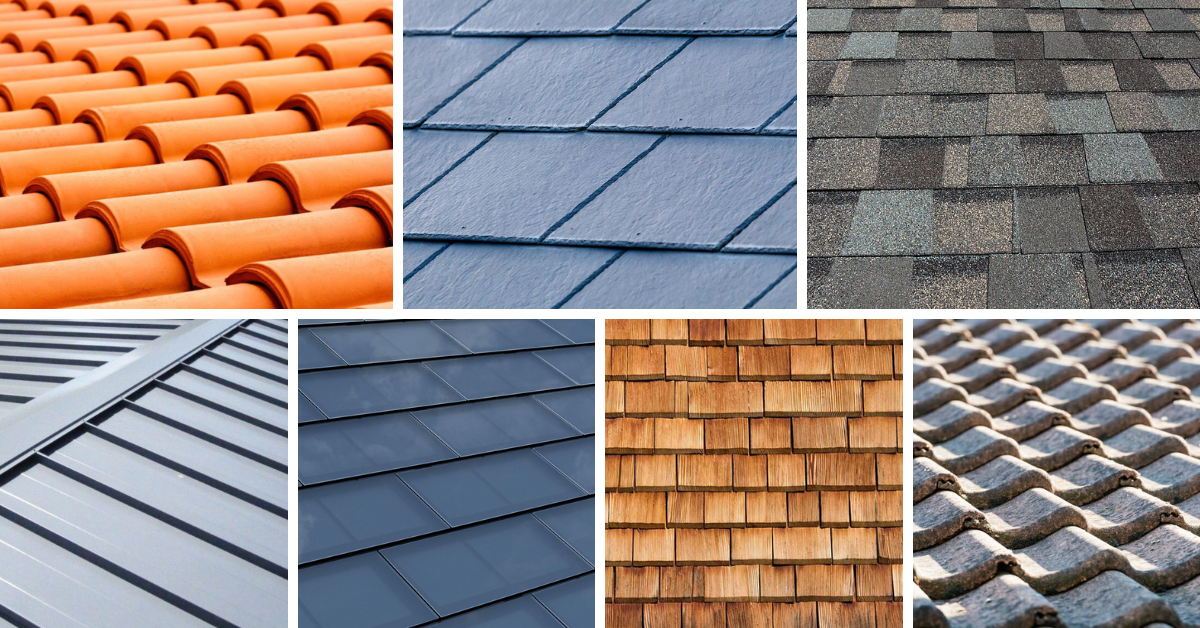
Best Roofing Materials for Indiana's Four Seasons
Indiana's climate demands respect. Four distinct seasons bring brutal temperature swings, heavy snowfall, severe thunderstorms, and oppressive summer humidity. Your roof bears the brunt of these conditions year-round. Select the wrong material, and you'll face premature failure, costly repairs, and energy bills that spiral out of control.
The best roofing materials for Indiana's four seasons must withstand everything nature throws at them:
- Winter snow loads test structural integrity.
- Spring storms unleash high winds and hail.
- Summer heat bakes surfaces while humidity breeds algae growth.
- Fall brings freeze-thaw cycles that crack inferior materials.
Each season presents unique challenges that separate quality roofing from mediocre installations.
Roofing Indianapolis properties requires specialized knowledge. Local conditions differ from national averages. Roofers Indianapolis Indiana understand these nuances. They know which materials perform under regional stress and which fail within years. Roofing companies in Indianapolis Indiana see the results firsthand—successful installations that last decades and failed roofs that need replacement prematurely.
This guide examines proven materials that survive Indiana's weather extremes. You'll discover performance characteristics, maintenance requirements, and cost considerations for each option. Indy roofing professionals share their expertise on material selection, installation techniques, and long-term value.
Make an informed decision. Your roof's lifespan depends on it.
Understanding Indiana's Four-Season Climate and Its Impact on Roofing
Indiana's weather significantly impacts roofing, demanding serious attention from property owners. The state experiences dramatic seasonal shifts that test every roofing system's limits.
Spring: Storm Season Assault
Severe thunderstorms, hail, and tornadoes strike between March and June. Wind gusts exceeding 60 mph tear shingles loose. Hail ranging from pea-sized to golf ball-sized punctures roofing materials, creating entry points for water infiltration. Heavy rainfall saturates roofing systems, exposing weak points in flashing and underlayment. Roofing Handbook suggests that understanding the material resilience against such weather is crucial for homeowners.
Summer: Heat and Humidity Stress
Temperatures climb into the 90s with high humidity levels. UV radiation degrades organic roofing materials. Thermal expansion and contraction cause materials to warp, crack, or separate. Algae and moss thrive in humid conditions, particularly on north-facing slopes. Attic temperatures soar above 150°F, accelerating material deterioration from below.
Fall: Debris and Moisture Accumulation
Falling leaves clog gutters and valleys, trapping moisture against roofing surfaces. Temperature fluctuations between warm days and cool nights create condensation issues. Early frost events test material flexibility. Wind-driven rain penetrates compromised seals and damaged areas.
Winter: Snow Load and Ice Damage
Snowfall averages 20-25 inches annually across central Indiana. Ice dams form when heat escapes through inadequate insulation, melting snow that refreezes at roof edges. This trapped water backs up under shingles, causing interior leaks. Freeze-thaw cycles expand existing cracks. Snow weight stresses structural components, particularly on low-slope roofs.
Common Roofing Issues in Indiana
Residential roofing Indianapolis contractors regularly address:
- Granule loss from hail impact and UV exposure
- Cracked or missing shingles from wind damage
- Moisture penetration through compromised seals
- Ice dam formation along eaves
- Structural sagging from excessive snow weight
- Algae staining reducing curb appeal
- Flashing failures at chimneys and valleys
Roofing repair Indianapolis services spike after severe weather events. Property owners who ignore minor damage face exponential repair costs. Each season compounds existing problems, accelerating system failure.
To mitigate these risks, it's essential to familiarize oneself with the local climate's impact on roofing systems as outlined in this comprehensive guide.
Key Factors to Consider When Choosing Roofing Materials for Indiana
Select roofing materials based on specific performance criteria that match Indiana's demanding climate patterns. Your roof must withstand rapid temperature shifts, heavy precipitation, and intense UV exposure throughout the year.
Durability Requirements
Indiana's weather creates unique stress points on roofing systems. Materials must handle:
- Freeze-thaw cycles that cause expansion and contraction damage
- Wind speeds exceeding 60 mph during severe storms
- Hail impact from spring and summer thunderstorms
- Snow loads reaching 20-30 pounds per square foot in northern regions
- Temperature swings of 40-50 degrees within 24-hour periods
Consult with roofing contractors Indianapolis specialists to determine load-bearing requirements for your specific location. Northern Indiana properties face different demands than southern regions.
Energy Efficiency Standards
Your roofing material directly affects heating and cooling costs. Summer temperatures climb into the 90s with high humidity, while winter temperatures drop below zero. Choose materials with:
- High solar reflectance index (SRI) ratings for summer heat deflection
- Adequate R-value insulation properties for winter heat retention
- Thermal mass characteristics that stabilize interior temperatures
- Ventilation compatibility to reduce moisture buildup
Consider using zircon-containing roof tiles, known to significantly reduce the urban heat island effect, thereby enhancing energy efficiency.
Maintenance Demands
Different materials require varying levels of upkeep. Assess your capacity for:
- Annual inspections after severe weather events
- Debris removal from valleys and gutters
- Moss and algae treatment in shaded areas
- Repair accessibility for damaged sections
- Replacement timelines based on material lifespan
Aesthetic Considerations
Match your roofing choice to neighborhood standards and home architecture. Indianapolis features diverse styles from Victorian homes in Irvington to modern constructions in Carmel. Best roofing contractors Indianapolis professionals understand local design preferences and HOA requirements.
Financial Planning
Balance upfront costs against long-term value. Calculate:
- Initial installation expenses including labor and materials
- Expected lifespan before replacement becomes necessary
- Annual maintenance costs and frequency
- Energy savings from efficient materials
- Property value increases from premium roofing choices
Contact roofing companies Indianapolis IN for detailed cost comparisons specific to your property type and size
The Top 5 Best Roofing Materials Suitable for Indiana's Climate
Choosing the best roofing materials for Indiana climate requires understanding how each option performs under the state's demanding weather patterns. These five materials stand out for their proven track record in handling Indiana's seasonal extremes.
1. Asphalt Shingles
Asphalt shingles Indianapolis homeowners choose dominate the residential roofing market for compelling reasons. The material delivers exceptional value at accessible price points, typically ranging from $3.50 to $5.50 per square foot installed.
Design flexibility
Design flexibility sets asphalt shingles apart from competitors:
- Available in hundreds of color combinations matching any architectural style
- Three-tab, dimensional, and luxury variants accommodate different budget levels
- Manufacturers offer specialized products mimicking slate, wood, or tile appearances
- Architectural shingles provide enhanced curb appeal through dimensional texturing
Heat resistance
Heat resistance proves critical during Indiana's humid summers. Quality asphalt shingles feature:
- UV-resistant granules preventing premature degradation
- Reflective coatings reducing attic temperatures by 10-15 degrees
- Class A fire ratings protecting against airborne embers
- Impact-resistant options withstanding hail damage common in spring storms
Snow load performance
Snow load performance matters during harsh Indiana winters. Modern asphalt shingles handle substantial weight accumulation through reinforced fiberglass mat construction. The material's flexibility prevents cracking when temperatures plummet below zero, unlike rigid alternatives that may fracture under thermal stress.
Algae resistance
Algae resistance addresses a persistent challenge in Indiana's humid climate. Standard asphalt shingles develop unsightly black streaks from Gloeocapsa magma bacteria growth. Specify products containing copper or zinc granules that release algaecides during rainfall. These treated shingles maintain their appearance for decades despite constant moisture exposure.
Longevity and maintenance
Residential roofing Indianapolis contractors report asphalt shingles lasting 20-30 years when properly installed and maintained. The material's widespread availability ensures straightforward repairs using matching products. Local suppliers stock extensive inventories, eliminating delays when storm damage requires immediate attention.
Installation efficiency
Installation efficiency reduces labor costs compared to premium materials. Experienced crews complete typical residential projects in 2-3 days, minimizing disruption to homeowners. The straightforward application process also decreases the likelihood of installation errors that compromise performance.
Warranty coverage
Warranty coverage from major manufacturers provides additional security. Standard offerings include 25-50 year material warranties, with some premium lines featuring lifetime guarantees. These protections shield homeowners from defects while demonstrating manufacturer confidence in product durability under Indiana's challenging conditions.
2. Metal Roofing
Metal roofing is one of the best roofing materials for Indiana climate challenges. Commercial roofing contractors in Indianapolis recommend metal systems for their exceptional performance throughout the year.
Storm Protection and Weather Resistance
Metal roofing installations in Indianapolis can withstand severe weather that affects Indiana properties every year. Wind speeds up to 140 mph pose no threat to properly installed metal panels. Hail damage—a common insurance claim throughout the state—barely dents quality metal roofing systems. Heavy snow loads slide off naturally, preventing dangerous ice dam formation that plagues other materials. Spring thunderstorms and summer downpours drain quickly without water penetration.
Fire Safety Standards
Metal roofing achieves Class A fire ratings, the highest classification available. This non-combustible material protects residential roofs in Indianapolis from fire spread. Lightning strikes dissipate safely across the metal surface rather than igniting combustible materials underneath.
Energy Efficiency Through Reflective Technology
Reflective coatings on metal roofing systems deflect solar radiation during Indiana's humid summers. Surface temperatures remain 50-60 degrees cooler than traditional asphalt shingles installations in Indianapolis. This translates to reduced cooling costs—typically 10-25% savings on summer energy bills. Winter performance remains strong as metal roofing creates effective thermal barriers when paired with proper insulation.
Environmental Sustainability
Metal roofing contains 25-95% recycled content depending on the product selected. At end-of-life, these systems achieve 100% recyclability—no landfill waste. A single metal roof installation lasts 40-70 years, eliminating multiple replacement cycles required by other materials. This longevity makes metal roofing one of the most sustainable choices among best roofing materials for Indiana's four seasons.
3. Clay and Concrete Tiles
Clay and concrete tiles are among the best roofing materials for Indiana's climate. They perform exceptionally well in all four seasons and add a unique architectural style to both residential and commercial buildings.
Enhancing Property Value with Timeless Design
Clay and concrete tiles offer a classic Mediterranean or Spanish Colonial look that instantly boosts curb appeal. Homes with tile roofs usually sell for more compared to those with standard asphalt shingles. The material's weight and texture create visual interest that flat roofing materials can't achieve. The best roofers in Indianapolis often recommend tiles for homeowners who want to stand out in competitive neighborhoods.
Managing Heavy Snow Loads Effectively
Indiana winters require roofing materials that can handle heavy snow buildup. Concrete tiles can support loads over 300 pounds per square foot without any structural issues. Their density and interlocking design distribute weight evenly across the roof deck. Clay tiles have similar capabilities while also providing natural temperature control through thermal mass properties. During hot summer days, these tiles absorb heat and gradually release it, lowering attic temperatures by 10-15 degrees.
Protecting Against Humidity Year-Round
Indiana's humid springs and summers create perfect conditions for moisture-related roofing problems. Clay and concrete tiles have water absorption rates below 6%, preventing freeze-thaw damage that affects porous materials. The hard surface of the tiles prevents algae and moss from growing. Proper installation by skilled contractors ensures proper ventilation under the tiles, eliminating trapped moisture that can cause deck rot. This effective moisture management makes tiles an excellent choice when selecting roofing materials for Indiana's four seasons.
4. Slate Roofing
Slate is the top choice among best roofing materials for Indiana climate, offering unmatched beauty that enhances homes throughout Indianapolis. Its natural stone composition gives it a unique look that instantly boosts curb appeal. Unlike manufactured alternatives, slate's natural variations in color and texture create a sophisticated appearance.
Slate's value lies in its longevity. When installed correctly, a slate roof can last anywhere from 75 to 100 years, often outlasting the buildings it covers. This exceptional lifespan makes slate a long-term investment for residential roofing Indianapolis projects. Over time, the initial cost becomes insignificant when spread out over decades of maintenance-free performance. Property owners who opt for slate rarely have to deal with replacement decisions during their time living there.
Indiana's extreme weather conditions pose no threat to the durability of slate:
- Fire resistance: Being made of natural stone, slate is completely non-combustible, providing maximum protection during dry summer months
- Water impermeability: Its dense composition prevents moisture from seeping in, eliminating concerns about rot and decay
- Freeze-thaw durability: Slate can withstand repeated cycles of expansion and contraction caused by harsh Indiana winters
- Wind resistance: The heavy weight of each individual tile keeps them securely in place during severe storms
The density of slate also acts as a natural barrier against temperature changes, helping to reduce energy costs throughout the year. Best roofing companies in Indianapolis understand the superior performance qualities of slate for demanding situations. However, installing slate requires specialized knowledge—using incorrect methods can shorten the lifespan potential of the roof system.
Before installation, it's important to assess weight considerations and evaluate the structure. Most residential frames will need reinforcement to support the heavy load of slate. Experienced asphalt shingles Indianapolis contractors can conduct a professional assessment to ensure that your building can safely accommodate this high-end material. Investing in proper installation not only protects the roof system but also safeguards the entire structure beneath it.
5. Wood Shakes and Shingles
Wood shakes and shingles offer a unique rustic charm that enhances both traditional and modern architectural styles throughout Indianapolis. Cedar is the top choice among roofers in Indianapolis, Indiana because of its natural oils that repel moisture and decay. This material brings a cozy look that boosts curb appeal, especially in historic neighborhoods and custom home projects.
Natural Insulation Properties
What sets wood apart from synthetic options is its ability to insulate naturally. The cellular structure of cedar has air pockets that trap heat during Indiana's harsh winters, leading to energy savings of up to 15% compared to regular asphalt roofs. This thermal performance becomes crucial when temperatures drop below freezing for long periods.
Breathability for Humidity Challenges
Wood shingles effectively tackle Indiana's humidity issues with their breathability. Unlike materials that are impermeable and trap moisture, wood allows water vapor to escape, preventing condensation buildup in attic spaces. This ventilation feature helps maintain temperature extremes and reduces ice dam formation during winter freeze-thaw cycles.
Key Performance Factors for Wood Roofing in Indiana:
- Natural resistance to wind damage when installed correctly
- Ability to expand and contract with temperature changes
- Superior soundproofing during heavy rainstorms
- Biodegradable composition for environmentally friendly homeowners
Professional Installation and Maintenance
Proper spacing and ventilation are ensured through professional installation by experienced specialists from an Indy roofing company. Specific underlayment systems and fastening methods are required for wood shakes to withstand storms in Indiana. Regular maintenance involves periodic cleaning, treatment with preservatives, and prompt replacement of damaged pieces to uphold structural integrity.
The initial investment ranges from $8 to $12 per square foot, making wood a mid-to-premium choice among the best roofing materials for the Indiana climate.
Comparing Material Performance in Commercial vs Residential Roofing Applications in Indianapolis
When it comes to roofing, both commercial and residential structures have unique requirements. Roofing companies in Indianapolis face distinct challenges depending on the type of structure they are dealing with.
Commercial Roofing Demands:
- Flat or low-slope designs: require materials like TPO, EPDM, or modified bitumen that handle water pooling during spring storms.
- Heavy equipment loads: necessitate reinforced structural support and durable membrane systems.
- Larger square footage: increases vulnerability to wind uplift during severe weather events.
- Extended warranty requirements: push commercial projects toward metal roofing or built-up roofing systems.
Residential Roofing Priorities:
- Steep-slope configurations: allow better water drainage, making asphalt shingles and metal panels ideal choices.
- Curb appeal considerations: drive homeowners toward materials matching neighborhood aesthetics.
- Budget constraints: often favor cost-effective solutions like architectural shingles.
- Integrated gutter systems: require coordination between roofing companies and gutter repair specialists.
Metal roofing excels in both applications across Indianapolis IN roofing projects. Commercial buildings benefit from standing seam systems that span wide areas without seams. Residential installations use metal shingles or panels that mimic traditional materials while delivering superior storm protection.
Asphalt shingles dominate Indianapolis residential roofing due to affordability and proven performance. Commercial applications rarely specify shingles except for pitched sections on mixed-use buildings. The weight-to-durability ratio makes them impractical for flat commercial roofs.
Clay and concrete tiles suit upscale residential projects but prove too heavy for most commercial structures without significant structural reinforcement. Slate roofing follows similar patterns, appearing primarily on historic commercial buildings or luxury homes.
Proper material selection requires consultation with experienced roofing contractors who understand building codes, load requirements, and climate-specific performance data. Commercial projects demand coordination with gutter replacement services to handle increased water volume from larger roof areas.
The Role of Professional Roofing Contractors in Ensuring Optimal Material Performance
Expert installation determines whether your chosen roofing material survives Indiana's climate extremes. The best roofing contractors Indianapolis understands local weather patterns—they know how to account for thermal expansion during summer heat waves, proper underlayment for winter ice dams, and ventilation requirements for humid spring months. A poorly installed metal roof will leak despite its inherent durability. Improperly secured asphalt shingles will blow off during severe storms regardless of their quality rating.
Professional installation addresses Indiana-specific challenges:
- Proper flashing techniques for ice dam prevention during harsh winters
- Adequate ventilation systems to combat summer heat buildup and moisture accumulation
- Strategic fastener placement to withstand wind speeds common in Midwest storm systems
- Correct pitch calculations for effective water drainage during heavy rainfall
An Indy roofing company with local experience provides maintenance programs tailored to seasonal demands. Spring inspections catch winter damage before summer storms compound the problems. Fall maintenance prepares roofs for snow loads and ice formation. Regular professional assessments identify minor issues—loose shingles, cracked tiles, corroded flashing—before they escalate into costly structural damage.
Maintenance schedules vary by material type:
- Metal roofs require annual fastener checks and coating inspections
- Asphalt shingles need biannual debris removal and granule loss monitoring
- Tile roofs demand regular underlayment assessments and broken tile replacement
- Slate requires periodic flashing updates despite its century-long lifespan
Select contractors based on verifiable Indiana experience. Request references from projects completed at least five years ago—this reveals how their installations perform through multiple seasonal cycles. Verify licensing, insurance coverage, and manufacturer certifications specific to your chosen material. The best roofing materials for Indiana's four seasons only deliver their promised performance when installed and maintained by qualified professionals who understand regional climate stresses.
Check warranty terms carefully. Many material warranties become void without professional installation documentation and regular maintenance records from licensed contractors.
FAQs (Frequently Asked Questions)
What are the best roofing materials for Indiana's four-season climate?
The top roofing materials suitable for Indiana's diverse climate include asphalt shingles, metal roofing, clay and concrete tiles, slate roofing, and wood shakes and shingles. Each offers unique benefits like durability against storms, energy efficiency, and aesthetic appeal tailored to Indiana's weather conditions.
How does Indiana's four-season weather impact roofing material choice?
Indiana experiences storms, snow, heat, and humidity throughout the year, which affect roofing materials differently. Choosing materials that withstand snow loads, resist algae growth in humid seasons, and handle temperature fluctuations is crucial for roof durability and efficiency.
Why is it important to consider energy efficiency when selecting roofing materials in Indiana?
Energy efficiency is vital because Indiana has hot summers and cold winters. Roofing materials like metal with reflective coatings can reduce cooling costs in summer, while materials such as wood shakes provide insulation benefits during winter months, helping maintain comfortable indoor temperatures year-round.
What role do professional roofing contractors in Indianapolis play in roof performance?
Professional contractors ensure expert installation tailored to Indiana's specific weather challenges. They also provide maintenance services that extend the lifespan of roofing materials across all seasons. Selecting reputable local contractors specialized in Indiana's climate is key to optimal roof performance.
How do commercial roofing needs differ from residential ones in Indianapolis?
Commercial roofs often face unique demands compared to residential roofs due to building size and usage patterns. Material suitability varies accordingly; for instance, metal roofing may be preferred for commercial buildings due to durability and fire resistance, while asphalt shingles are common in residential settings for affordability and versatility.
What factors should homeowners consider when choosing a roofing material in Indianapolis?
Homeowners should evaluate durability against weather extremes, energy efficiency for seasonal temperature changes, maintenance requirements based on material type, aesthetic compatibility with local architecture, budget constraints, and long-term investment value to select the best roofing material for their Indiana home.
