Hail Damage vs. Normal Wear: What Indianapolis Insurance Adjusters Look For
Hail Damage vs. Normal Wear: What Indianapolis Insurance Adjusters Look For
Hail Damage vs. Normal Wear: What Indianapolis Insurance Adjusters Look For
After severe storms, homeowners in Indianapolis face a critical challenge: figuring out whether their roof has hail damage or just normal wear. This distinction is crucial for successful insurance claims because adjusters carefully examine every detail to decide if coverage applies.
The Indianapolis roofing industry often sees disputes over how damage is classified. A dented shingle could be a result of a recent hailstorm or years of gradual deterioration. This difference is what determines whether your insurance company approves or denies your claim. Homeowners frequently find it difficult to provide convincing evidence that distinguishes between storm-related destruction and age-related decline.
Insurance adjusters in Indianapolis are professionals who come equipped with trained eyes and specific criteria. They look at:
- Physical impact patterns on roofing materials
- Timing of damage in relation to weather events
- Pre-existing conditions versus new destruction
- Quality of documentation from homeowners and contractors
The success of your claim depends on understanding what these adjusters are looking for during inspections. A roofing repair contractor in Indianapolis may be able to identify damage, but adjusters have different standards. They need to provide justification for every approved claim to their companies while also ensuring that legitimate damage receives proper coverage.
The consequences are significant. If damage is misclassified, claims can be denied, leaving homeowners responsible for costly repairs. On the other hand, accurate identification protects your investment and guarantees fair treatment. It's important to know what distinguishes compensable hail damage from non-covered wear before submitting your next claim with roofers in Indianapolis, Indiana professionals.
Understanding Hail Damage on Roofs
Hail damage occurs when frozen precipitation strikes roofing materials with sufficient force to compromise their integrity. The severity depends on multiple factors: hailstone diameter, wind velocity during the storm, and the angle of impact. Indianapolis experiences hailstorms that produce stones ranging from pea-sized (quarter-inch) to golf ball-sized (1.75 inches) or larger. Stones exceeding one inch in diameter typically cause visible damage that roofing contractors Indianapolis can readily identify during inspections.
The intensity of the storm matters. A brief shower with small hail may leave minimal marks, while sustained bombardment with large stones creates extensive damage across the entire roof surface. Wind-driven hail strikes at angles rather than falling straight down, concentrating damage on specific roof sections—typically the side facing the storm's approach.
Visible Hail Damage Signs
Homeowners must recognize specific indicators that suggest hail impact roof damage:
- Dented gutters or downspouts: Check aluminum or vinyl gutters for circular indentations. These dents often appear random rather than uniform, distinguishing them from installation damage.
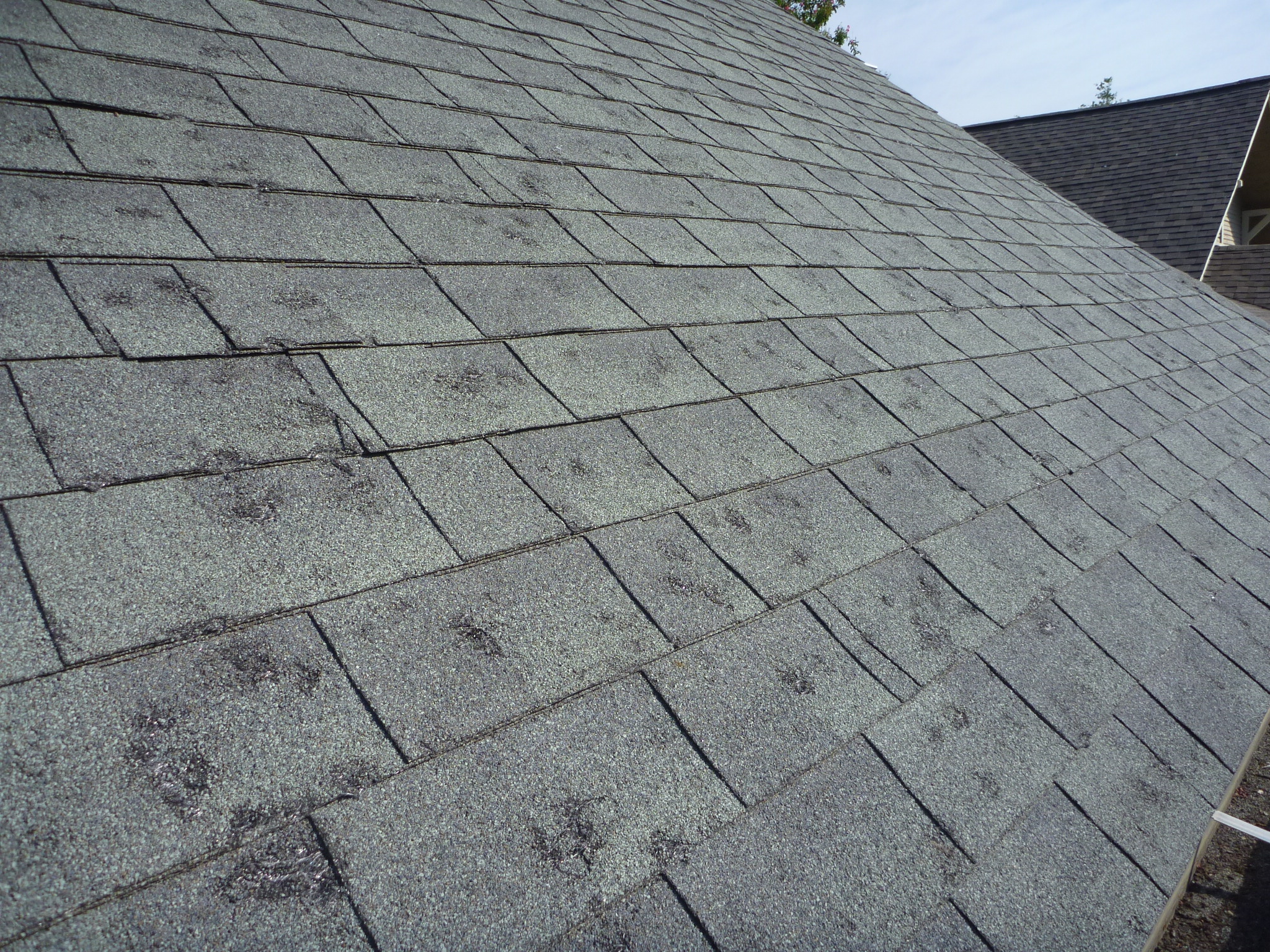
- Dark spots or bruises on shingles: Hail strikes knock off protective granules, exposing the underlying asphalt layer. These spots appear darker than surrounding areas and feel soft to the touch. The best roofers in Indianapolis examine these marks under magnification to confirm hail patterns.
- Dents in metal vents or flashing: Inspect roof penetrations, ridge vents, and pipe boots. Metal components show clear circular impressions where hailstones struck. These dents provide concrete evidence of hail size and impact force.
- Cracked or split shingles: Severe impacts fracture shingle material, creating visible cracks that extend through multiple layers.
- Missing granules in random patterns: Unlike normal wear patterns that follow water flow paths, hail damage signs appear scattered across the roof surface without predictable distribution.
Document these indicators immediately after storms. The best roofers in Indianapolis recommend photographing damage within 48 hours while evidence remains fresh and before additional weather events complicate assessment.
Recognizing Normal Wear and Tear in Roofing Materials
Normal wear and tear on roofs in Indianapolis is different from damage caused by storms. Roofs age due to continuous exposure to sun, rain, wind, and temperature changes. The gradual deterioration of roofs that Indy roofing professionals see is a result of natural aging processes that affect all roofing materials, regardless of their quality or installation method.
Signs of Normal Wear
Here are some key signs that indicate normal wear and tear on your roof:
- Granule Loss: Asphalt shingles lose protective granules over years of service. Check your gutters and downspouts for accumulation of these small, sand-like particles. A thin layer of granules after heavy rain indicates normal aging. Excessive granule loss reveals the underlying asphalt mat, creating bald spots that compromise the shingle's ability to shed water and resist UV damage.
- Color Changes: Shingles fade unevenly based on sun exposure patterns. South-facing roof sections typically show more discoloration than north-facing areas. This fading occurs gradually—not overnight—and spreads across multiple shingles in consistent patterns.
- Shingle Curling: Slight curling at shingle edges from repeated heat cycles is another sign of aging materials.
- Cracking: Minor cracking in older roofing materials (15+ years) can also indicate wear.
- Brittleness: Brittle or stiff shingles that have lost flexibility are a clear sign of aging.
Factors That Accelerate Deterioration
Neglecting maintenance can speed up the deterioration process. Here are some factors that contribute to accelerated wear:
- Debris-filled Gutters: When gutters are clogged with debris, moisture gets trapped against fascia boards and roof edges, leading to faster breakdown of roofing materials.
- Overhanging Tree Branches: During windy conditions, overhanging tree branches can scrape against shingles, causing damage over time.
- Moss and Algae Growth: Moss and algae growth retain moisture on the roof surface, breaking down roofing materials quicker than normal weathering.
Considering Age in Wear Assessments
The age of your roof plays a significant role in determining its condition. A 20-year-old roof naturally shows more signs of wear compared to a 5-year-old installation. Insurance adjusters take into account the age of the roof when evaluating damage claims as they expect certain wear patterns based on the installation date and local climate conditions.
Documenting Your Roof's Condition
To accurately assess any potential damage or wear on your roof, it's essential to document its condition through regular inspections. Here are some tips for effective documentation:
- Conduct Regular Inspections: Schedule routine inspections at least twice a year—once in spring and once in fall—to check for any visible signs of wear or damage.
- Take Photographs: Capture detailed photographs of any changes you notice between seasons such as missing shingles, sagging areas, or discoloration.
- Keep Records: Maintain a record of all inspection reports and photographs as this will help distinguish sudden hail damage from pre-existing wear when filing insurance claims.
By being proactive about maintaining your roof and documenting its condition regularly, you can ensure its longevity while also having evidence ready should any unforeseen issues arise down the line.
How Insurance Adjusters Differentiate Between Hail Damage and Normal Wear
Insurance adjusters are trained professionals who assess the damage to a property and determine the cause of that damage. In the case of roofing, they need to distinguish between damage caused by hail storms and wear and tear that occurs naturally over time.
This process requires a careful and systematic approach. Each part of the roof is examined closely, with specific indicators being looked for to determine the nature of the damage.
The Inspection Protocol
Adjusters begin at ground level, documenting exterior conditions before ascending to the roof inspection site. They examine:
- Shingle surfaces - Looking for impact marks with sharp, defined edges versus smooth, worn areas
- Metal components - Checking vents, flashing, and drip edges for circular dents characteristic of hailstone strikes
- Granule patterns - Distinguishing between concentrated loss from impacts versus uniform thinning from UV exposure
- Flashing details - Inspecting chimney and skylight surrounds for sudden damage versus rust or separation from thermal cycling
Physical Evidence That Matters
The difference between hail damage and normal wear comes down to specific markers. Hail creates distinct signatures:
- Impact craters show exposed substrate with granules displaced in a radial pattern. The damage appears random across the roof surface, concentrated on slopes facing the storm direction. Adjusters measure these depressions, noting their consistency with reported hailstone sizes.
- Bruising patterns on asphalt shingles reveal soft spots where hail compressed the mat without breaking through. These dark circles indicate compromised integrity. They differ from thermal blistering, which shows raised bubbles rather than depressions.
- Dent alignment across multiple surfaces confirms hail activity. When gutters, vents, and shingles display matching impact angles and sizes, the evidence strengthens. Normal wear never creates this synchronized damage pattern.
For a more detailed understanding of what hail damage looks like on a shingle roof, you can refer to this resource.
Adjusters photograph each finding with measurement references. They document weather reports from the claimed date. The evaluation separates sudden, violent impacts from the slow march of time. This distinction determines claim approval or denial.
The Importance of Documentation in Insurance Claims for Roof Damage
Insurance companies require concrete evidence before approving any roofing repair claim. Your word alone holds little value in the claims process. Adjusters need verifiable proof that shows the extent and cause of damage to your roof.
Build Your Evidence Portfolio
Start gathering documentation immediately after discovering potential damage. Time is not on your side—waiting allows weather conditions to hide evidence or create additional deterioration that makes the assessment more difficult.
- Capture high-resolution photographs from ground level and, if safe, from elevated positions.
- Document every damaged area from at least three different angles.
- Include close-up shots showing specific impact points on shingles, dents in metal components, and any displaced materials.
- Wide-angle images establish context by showing the damaged sections in relation to the entire roof structure.
- Date-stamp all photographs. This creates a timeline that proves when damage occurred relative to documented storm events in your area.
Insurance adjusters cross-reference your evidence with weather service reports to verify claims.
Professional Assessment Reports
Hire a licensed roofing contractor to conduct a thorough inspection and prepare a detailed written report. This document should specify:
- Location and severity of each damaged area
- Estimated age of the damage based on weathering patterns
- Distinction between storm-related impacts and pre-existing conditions
- Material specifications and replacement costs
- Recommended repair scope
Professional contractors experienced with insurance claim processes understand what adjusters need to see. Their reports carry professional credibility that strengthens your position during negotiations.
Request copies of all inspection notes, measurement calculations, and material assessments. These technical details support your claim's legitimacy and provide ammunition if the insurance company disputes the damage severity.
Keep written records of every communication with your insurance provider, including claim numbers, adjuster names, phone conversations, and email exchanges. This paper trail protects your interests if disputes arise during the claims process.
Understanding Legal Perspectives on Causation Disputes in Insurance Claims
Insurance companies apply strict legal standards when evaluating hail damage vs normal wear insurance claims Indianapolis. Adjusters must establish direct causation between the storm event and the roof damage. This requires proving the damage occurred suddenly and accidentally—not through gradual deterioration.
The Burden of Proof in Causation
Insurers examine temporal evidence linking damage to specific weather events. They review National Weather Service reports, radar data, and hail maps to confirm storm activity on claimed dates. The adjuster documents the roof's condition before and after the alleged incident. Any signs suggesting the damage existed prior to the storm event trigger immediate scrutiny.
Pre-Existing Conditions and Maintenance History
Claims face denial when adjusters identify evidence of neglect or deferred maintenance. Insurance policies explicitly exclude coverage for damage resulting from:
- Lack of routine maintenance - Missing or loose shingles that should have been replaced
- Age-related deterioration - Brittle, curled, or cracked materials showing years of sun exposure
- Previous unreported damage - Old impact marks or repairs that predate the current claim
- Inadequate ventilation - Premature aging caused by excessive heat buildup in attic spaces
Adjusters document maintenance failures through photographs and written observations. They note accumulated debris, clogged gutters, or damaged flashing left unrepaired. These findings support denial letters citing policy exclusions for wear and tear.
The Sudden Impact Standard
Hail damage qualifies as a covered peril because it represents an external, sudden force. Adjusters look for consistent impact patterns across the roof surface. Random, isolated damage raises questions about causation. The presence of damage on multiple exterior surfaces—gutters, vents, siding—strengthens the sudden impact argument.
Insurance companies distinguish between acute trauma and chronic degradation. A single hailstorm creates uniform damage characteristics. Normal wear produces irregular patterns developing over months or years. This distinction determines whether claims receive approval or face immediate rejection based on policy language excluding gradual deterioration.
The Role of Professional Roofing Companies in Assisting Homeowners with Insurance Claims
Hire experienced roofing contractors who specialize in insurance claim assistance. The best roofing companies in Indianapolis maintain detailed knowledge of what insurance adjusters expect during inspections. These professionals document damage patterns that adjusters recognize as legitimate hail impact versus aging deterioration.
Professional roof inspection Indy specialists provide critical support during claim disputes. They photograph damage from angles that clearly demonstrate hail strikes. Their reports include technical measurements of dent depths, impact patterns, and material degradation that align with storm dates. This documentation proves invaluable when insurers question causation.
Local roofing companies Indianapolis understand regional weather patterns and typical damage signatures from Indiana hailstorms. They know which shingle brands perform differently under impact. They recognize how local climate affects aging rates. This expertise helps distinguish between storm damage and expected wear for Indianapolis properties.
Best roofing contractors Indianapolis offer comprehensive damage assessments that go beyond surface observations. They examine:
- Underlying decking for structural compromise
- Ventilation systems for impact damage
- Flashing integrity around penetrations
- Granule displacement patterns indicating hail direction
Indy roofing company professionals often attend adjuster meetings on behalf of homeowners. They speak the technical language adjusters use. They point out damage indicators that untrained eyes miss. Their presence ensures nothing gets overlooked during the inspection process.
Roofing companies in Indianapolis Indiana maintain relationships with insurance providers. They understand specific documentation requirements for different carriers. They know which evidence formats adjusters prefer. This familiarity streamlines the claims process and reduces rejection rates.
Experienced indy roofing contractors provide written estimates that match insurance industry standards. They itemize damage by component. They separate hail-related repairs from maintenance items. This clarity prevents disputes over covered versus excluded work.
Roofing companies Indianapolis IN also handle supplemental claims when initial settlements fall short. They identify additional damage during tear-off that wasn't visible from ground level. Their detailed documentation supports requests for increased compensation based on actual repair needs.
Considerations for Different Types of Roofing Systems: Commercial vs. Residential Properties
Insurance adjusters approach commercial roofing Indianapolis inspections differently than residential assessments. The materials and construction methods demand distinct evaluation techniques.
Commercial Roofing Systems
Commercial roofing companies Indianapolis typically work with flat or low-slope systems featuring:
- TPO, EPDM, or PVC membrane surfaces
- Metal panels with standing seam configurations
- Modified bitumen applications
- Built-up roofing systems with multiple layers
- Single-ply membrane systems that offer durability and flexibility
Metal roofing Indianapolis installations show hail damage through distinct circular dents. Adjusters measure dent depth and diameter to determine impact severity. Painted metal surfaces reveal damage through chipped coatings or exposed substrate material.
Residential Roofing Systems
Residential roofing Indianapolis IN properties present different challenges. Asphalt shingles display damage through:
- Granule displacement creating dark spots
- Cracked or fractured shingle tabs
- Broken seal strips along shingle edges
- Impact marks on ridge caps
Indianapolis residential roofing systems age faster due to steeper slopes and increased sun exposure. Adjusters account for these factors when distinguishing between hail damage and deterioration. Shingle composition affects damage visibility—three-tab shingles show impacts more readily than architectural varieties.
Key Differences in Evaluation Techniques
Commercial roofing contractors Indianapolis understand that membrane roofing requires careful inspection for punctures or tears. Adjusters examine seams and penetrations where hail impacts compromise waterproofing integrity. The larger surface areas of commercial structures mean damage patterns spread across wider zones.
Residential roofing Indianapolis evaluations focus on granule retention and shingle flexibility. Commercial roofing Indianapolis companies assess membrane elasticity and fastener integrity. Each system requires specialized knowledge for accurate damage classification.
Other Areas Beyond Roofs That May Exhibit Hail Damage Signs After a Storm Event
Insurance adjusters don't limit their inspections to roof surfaces alone. A thorough evaluation extends to every exterior component vulnerable to hail impacts. Missing these additional damage indicators can result in incomplete claims and inadequate compensation for repairs.
Gutters and Downspouts: Primary Impact Zones
Gutters take direct hits during hailstorms. Look for these specific damage patterns:
- Dents along the top edge - Visible depressions where hailstones struck the horizontal surface
- Cracks in seams or joints - Stress fractures from repeated impacts
- Separated sections - Connections pulled apart by the force of large hailstones
- Bent or misaligned downspouts - Structural deformation indicating severe storm intensity
Indianapolis gutter repair hail damage often mirrors the severity of roof damage. Adjusters use gutter condition as corroborating evidence when determining storm impact dates and intensity levels.
Siding Material Assessment
Vinyl, aluminum, and fiber cement siding all display distinct hail damage characteristics:
- Circular impact marks - Round indentations with sharp edges on vinyl siding
- Chipped or cracked surfaces - Broken areas on fiber cement or wood siding
- Paint transfer marks - White or light-colored spots where protective coatings fractured
- Punctures or holes - Complete penetration from exceptionally large hailstones
Siding hail damage Indy adjusters document typically appears on south and west-facing walls - the directions most exposed during typical storm patterns in the region.
Additional Exterior Components
Check these often-overlooked areas:
- Window frames and trim - Dents or cracks in metal or wood components
- Air conditioning units - Damaged fins or dented covers on outdoor HVAC equipment
- Deck railings and posts - Impact marks on horizontal surfaces
- Mailboxes and light fixtures - Visible dents or broken components
Document every damaged exterior element. Each piece of evidence strengthens your claim by establishing a consistent pattern of hail damage across the property.
Proactive Maintenance Practices to Minimize Normal Wear Effects Over Time
Regular roof maintenance programs separate preventable deterioration from legitimate storm damage. Insurance adjusters recognize well-maintained roofs when they inspect properties. Homeowners who document consistent upkeep strengthen their position when filing claims.
Essential Maintenance Tasks
- Clear gutters and downspouts every three months minimum. Debris accumulation traps moisture against roof edges, accelerating shingle deterioration. Water backup causes fascia rot and undermines the roof deck structure. Remove leaves, twigs, and granular material that washes off aging shingles.
- Inspect flashing around chimneys, skylights, and vent pipes twice yearly. Look for:
- Rust spots or corrosion on metal components
- Separation between flashing and roof surface
- Cracked or missing sealant at joints
- Lifted edges that allow water infiltration
- Address minor flashing issues immediately. Small gaps become major leak points during heavy rain or snow melt.
Professional Inspection Benefits
Schedule annual inspections with a qualified Indy roofing company before storm season. Professionals identify subtle problems invisible from ground level. They document roof condition through detailed reports and photographs. This baseline evidence proves critical when distinguishing between hail damage and pre-existing wear.
Trim overhanging tree branches that scrape shingles during wind events. Constant abrasion removes protective granules and creates weak spots. Falling branches puncture roof surfaces, creating damage patterns that differ from hail impacts.
Documentation Standards
Photograph your roof after each maintenance session. Date-stamped images establish a maintenance timeline. Record all repairs, replacements, and professional services in a dedicated file. Insurance adjusters reviewing Hail Damage vs. Normal Wear: What Indianapolis Insurance Adjusters Look For appreciate documented maintenance histories.
Replace damaged or missing shingles promptly. Exposed underlayment deteriorates rapidly under UV exposure. Single shingle replacement costs far less than extensive water damage repairs. Quick action prevents roof deterioration that complicates future insurance assessments.
Conclusion
Knowing the difference between hail damage and normal wear is crucial for the success of your insurance claim. Insurance adjusters in Indianapolis carefully examine every detail, from impact marks on shingles to gradual granule loss, to determine the cause of the damage. Homeowners who understand these distinctions are better positioned to achieve positive outcomes when filing hail damage insurance claims in Indianapolis, IN.
The Importance of Documentation
Documentation is key. Clear photographs, professional assessments, and maintenance records can turn disputed claims into approved settlements. Insurance companies often deny claims when they believe the damage is due to neglect rather than storm events. To protect your investment, it's important to know what adjusters look for during inspections.
Understanding Roof Damage
Understanding roof damage in Indianapolis requires more than just a casual glance. The physical evidence must show signs of sudden impact instead of gradual deterioration. Dented gutters, bruised shingles, and damaged flashing tell one story, while faded surfaces and missing granules tell another. Adjusters use systematic evaluation to separate these narratives.
Taking Action After Severe Weather
Severe weather occurs frequently in Indianapolis. It's essential to know what insurance adjusters look for when assessing hail damage versus normal wear after every storm. If you suspect hail damage, reach out to experienced local roofing contractors right away. They are familiar with adjuster protocols and documentation requirements specific to Indiana insurance policies.
The Importance of Acting Quickly
Time is not on the side of homeowners. Delays can lead insurance companies to question whether the damage was caused by recent storms or years of neglect. That's why it's crucial to act quickly. Schedule professional inspections, gather evidence, and present your case with confidence backed by expert analysis and thorough documentation.
FAQs (Frequently Asked Questions)
What are the key differences between hail damage and normal wear on roofs in Indianapolis?
Hail damage is caused by sudden impacts from hailstones, leading to dents on gutters, dark spots or bruises on shingles, and dents in metal vents or flashing. Normal wear, however, results from gradual aging and lack of maintenance, characterized by granule loss from shingles and faded or discolored roof areas.
How do insurance adjusters in Indianapolis determine if roof damage is due to hail or normal wear?
Insurance adjusters conduct detailed inspections focusing on roof materials like shingles and flashing around chimneys or skylights. They look for clear physical signs of hail impact such as dents and bruises versus gradual deterioration indicators to accurately differentiate between hail damage and normal wear.
Why is thorough documentation important when filing insurance claims for roof damage in Indianapolis?
Thorough documentation supports insurance claims by providing clear evidence of damage. Homeowners should collect multiple-angle photographs of damaged areas and detailed reports from professional roofing contractors to strengthen their case and facilitate fair claim settlements.
What role do professional roofing companies in Indianapolis play in assisting with insurance claims for hail damage?
Experienced local roofing contractors understand the nuances of insurance assessments. They provide accurate damage evaluations, prepare detailed inspection reports, and help homeowners navigate the claims process to ensure fair settlements for hail-related roof damages.
Are there differences in inspecting hail damage on commercial versus residential roofs in Indianapolis?
Yes, commercial roofs often consist of metal panels requiring different inspection techniques compared to residential roofs that typically have shingles. Recognizing these differences is crucial for accurately identifying hail damage or wear patterns specific to each roofing system type.
Besides roofs, what other exterior areas should homeowners inspect for hail damage after a storm in Indianapolis?
Homeowners should conduct comprehensive exterior inspections including gutters, downspouts, and siding. Look for dents or cracks on gutters/downspouts and marks or bruises on siding materials caused by large hailstones to identify potential storm-related damages beyond the roof surface.
