Prepare Your Roof for Indiana's Winter: Tips from the Best Roofing Contractors
Prepare Your Roof for Indiana's Winter: Tips from the Best Roofing Contractors
Prepare Your Roof for Indiana's Winter: Tips from the Best Roofing Contractors
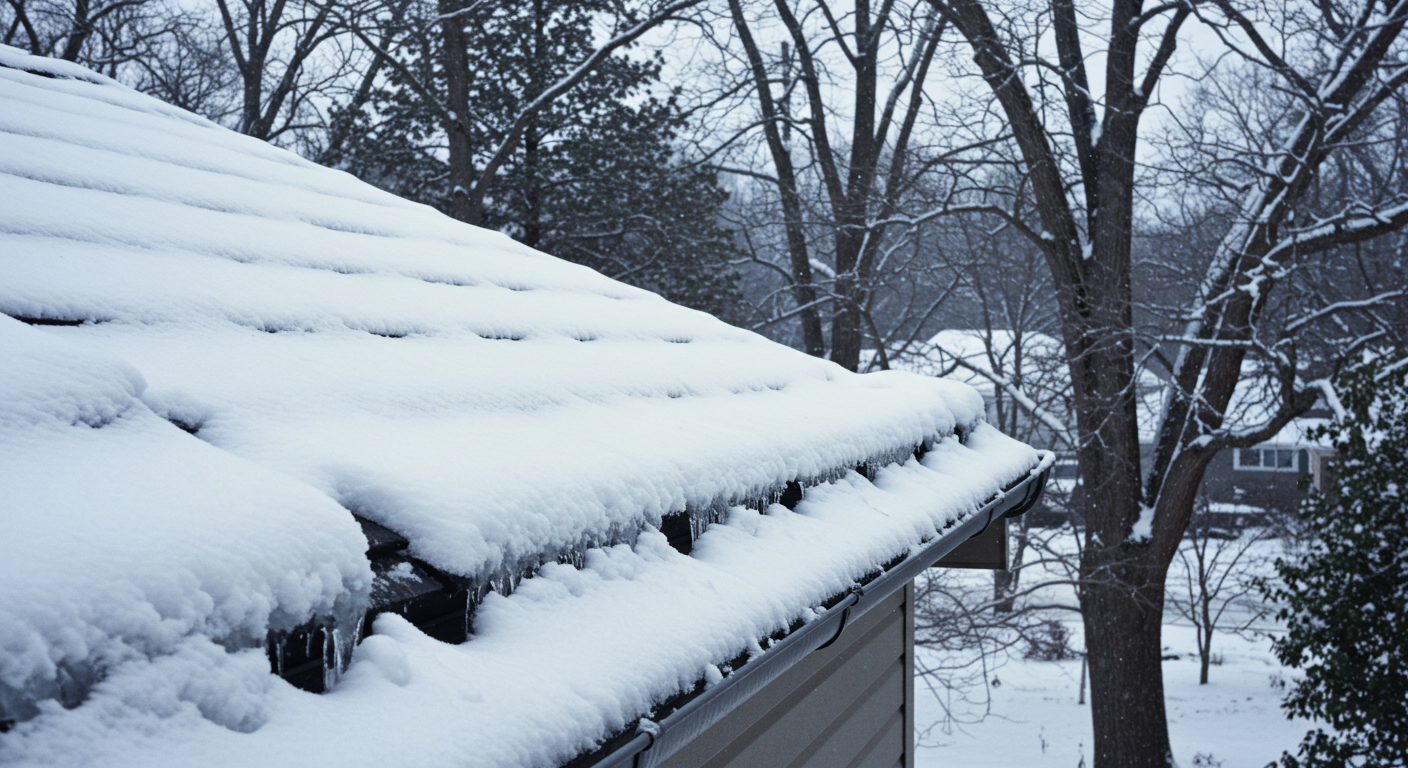
Winter in Indiana can be harsh and unforgiving. Your roof is your first line of defense against heavy snow, ice buildup, and freezing temperatures. If you neglect it now, you could face expensive repairs or even structural damage when winter hits.
Getting your roof ready for Indiana's tough winter weather is a must. Ice dams can form quickly after the first freeze, leading to water leaks that can harm your insulation, drywall, and belongings. Roofing contractors in Indianapolis are well aware of these dangers and know exactly what needs fixing before the snow arrives.
The top roofers in Indianapolis have witnessed various issues firsthand: sections collapsing under the weight of snow, faulty flashing allowing water to seep in, and blocked gutters causing hazardous ice formations. Roofing companies in Indianapolis with the right skills and materials can spot weaknesses that you might overlook. Additionally, Indianapolis gutter repair experts can prevent overflow problems that may damage your foundation.
Don't wait until it's too late. Your roof won't give you any signs before it fails.
Understanding Indiana's Winter Weather and Its Impact on Roofs
Indiana winter weather poses a significant threat to residential roofing systems. Here's what you need to know about how winter conditions in Indiana can affect your roof:
1. Freezing Temperatures
During December and January, temperatures in Indiana often drop below freezing, typically ranging from 20°F to 30°F. These prolonged periods of freezing can have adverse effects on your roof.
2. Heavy Snowfall
Some areas in Indiana experience heavy snowfall, with accumulations of 20-30 inches per season. This weight from the snow can create immediate structural concerns for your roof.
3. Ice Formation
Ice forms relentlessly on roof surfaces, adding additional weight loads that may exceed the design specifications of your roofing system. It's crucial to address any ice buildup promptly to prevent potential damage.
The Impact of Heavy Snow
Each cubic foot of wet snow weighs approximately 20 pounds. To put it into perspective, a typical 2,000-square-foot roof covered with just six inches of wet snow bears an additional 5,000 pounds. Additionally, compact ice can add even more weight—up to 57 pounds per cubic foot.
How Freeze-Thaw Cycles Contribute to Roof Damage
Indiana homeowners face annual roof damage due to freeze-thaw cycles. Here's how this process works:
- During the day when temperatures rise, water seeps into microscopic cracks in your roof.
- At night when temperatures drop, the trapped water freezes and expands.
- This expansion widens existing cracks, compromises shingle integrity, and damages flashing around chimneys and vents.
Vulnerable Areas Targeted by Ice Accumulation
Ice accumulation tends to target specific areas of your roof that are more susceptible to damage:
- Roof valleys where two planes meet
- Northern exposures receiving minimal sunlight
- Eaves and overhangs lacking proper heat circulation
- Gutters and downspouts blocking drainage paths
The Effects of Temperature Fluctuations on Roofing Materials
Temperature fluctuations during winter can stress roofing materials beyond their normal wear patterns. Here's how different components react:
- Asphalt shingles contract in extreme cold, making them brittle and susceptible to cracking.
- Metal components expand and contract, loosening fasteners and creating gaps.
- Wood shakes absorb moisture and then split when frozen.
These conditions require immediate attention before winter arrives to ensure the integrity of your roof.
Common Winter-Related Roof Issues in Indiana
Ice Dams
Ice dams rank among the most destructive winter-related roof issues Indiana homeowners encounter. Water freezes at roof edges, creating barriers that trap melting snow. This trapped water seeps beneath shingles, penetrating your home's interior and causing extensive damage to ceilings, walls, and insulation.
Leaks
Leaks intensify during freeze-thaw cycles. Water infiltrates small cracks and gaps in roofing materials, then expands when temperatures drop. This expansion widens existing vulnerabilities, creating pathways for moisture intrusion. Attic spaces become prime targets, with water stains appearing on ceilings as the first visible warning sign.
Mold Growth
Mold growth follows water penetration. Dark, damp attic environments provide ideal breeding grounds for spores. Black or green patches spread across wood decking and insulation, compromising air quality and structural integrity. The problem escalates quickly in poorly ventilated spaces where moisture cannot escape.
Structural Stress
Structural stress from heavy snow loads threatens roof stability. Indiana's winter storms dump substantial weight onto roof surfaces—sometimes exceeding design specifications. Sagging roof lines, cracked rafters, and interior ceiling cracks signal dangerous stress levels. Flat or low-slope roofs face heightened collapse risks when snow accumulates without proper drainage.
Shingle Damage
Shingle damage occurs when brittle materials crack under extreme cold. Thermal contraction weakens adhesive bonds, causing shingles to lift, curl, or break away entirely. Wind-driven snow exploits these weaknesses, accelerating deterioration and exposing underlayment to the elements.
Signs Your Roof Needs Attention Before Winter
Inspect your roof now. Look for missing, cracked, or curling shingles that expose underlayment to moisture. Check for dark spots or streaks indicating water damage. Examine flashing around chimneys, vents, and skylights—rust or gaps here create entry points for snow melt.
Critical warning signs include:
- Sagging areas in the roofline suggesting structural weakness
- Granules accumulating in gutters (shingle deterioration)
- Daylight visible through roof boards from the attic
- Water stains on interior ceilings or walls
- Loose or damaged fascia boards
- Cracked or deteriorating rubber boots around vent pipes
Walk your property's perimeter. Note any debris buildup in valleys where snow will accumulate. Test shingles for brittleness—they should flex, not snap. Schedule a roof inspection service immediately if you spot multiple issues.
The best roofing companies in Indianapolis use thermal imaging to detect hidden moisture and weak spots invisible to the naked eye. This technology reveals insulation gaps and ventilation problems before they worsen. Preparing Your Roof for Indiana's Harsh Winter Weather requires addressing these issues now, not after the first snowfall.
Document damage with photos. Measure the age of your roof—systems over 20 years old need professional evaluation regardless of visible condition. Act on findings within weeks, not months. Winter arrives fast in Indiana.
Step-by-Step Guide to Preparing Your Roof for Winter
Schedule a Professional Inspection
Contact a reputable residential roofing Indianapolis specialist to conduct a thorough assessment. Schedule this inspection in early fall, ideally September or October, before temperatures drop. Professional contractors identify hidden damage that untrained eyes miss—weak spots, compromised flashing, and deteriorating sealants.
Clean All Gutters and Downspouts
Remove leaves, twigs, and debris from gutters immediately. Clogged gutters trap water, which freezes and expands, causing significant damage to your roof's edge and fascia boards. Extend downspouts at least five feet away from your foundation. Check for proper drainage flow by running water through the system.
Repair or Replace Damaged Shingles
Examine every shingle for cracks, curling, or missing pieces. Replace damaged shingles now—waiting until winter arrives creates opportunities for water infiltration and ice damage. An experienced Indy roofing company completes these repairs quickly, often within a single day for minor issues.
Inspect and Seal Flashing
Check flashing around chimneys, vents, skylights, and roof valleys. Apply roofing cement to any gaps or loose sections. Flashing failures account for most winter leaks. Pay special attention to areas where different roof planes meet—these spots experience the highest stress during freeze-thaw cycles.
Trim Overhanging Tree Branches
Cut back branches hanging within six feet of your roof. Heavy snow and ice accumulation cause branches to break and fall, puncturing shingles and damaging roof structures. Remove dead trees near your home entirely—they pose serious risks during winter storms.
Check Roof Ventilation Systems
Verify that all vents remain clear and functional. Blocked vents trap moisture in your attic, leading to mold growth and ice dam formation. Install additional vents if your attic shows signs of inadequate airflow—condensation on windows or a musty smell indicate poor ventilation.
Apply Preventative Treatments
Consider installing heat cables along roof edges and in valleys where ice dams typically form. These cables prevent ice buildup before it starts. Apply zinc or copper strips near the roof peak to inhibit moss and algae growth, which retain moisture and accelerate shingle deterioration.
Document Your Roof's Condition
Photograph your roof from multiple angles. Record the date and note any concerns. This documentation proves valuable for insurance claims and helps contractors understand your roof's history during future maintenance visits.
The Importance of Attic Insulation and Ventilation in Winter Roof Protection
Your attic is your first line of defense against Indiana's harsh winter weather. Proper attic insulation directly impacts the lifespan of your roof and how energy efficient your home is. When heat escapes through poorly insulated areas, it creates a cycle where warm air melts snow on your roof, which then refreezes at the edges, forming ice dams that trap water and force it under shingles.
Maintain Attic Temperatures
To protect your roofing materials, it's important to keep the temperatures in your attic close to outdoor temperatures. This prevents the freeze-thaw cycle that can cause damage. For optimal protection in Indiana's climate zones, install insulation with R-38 to R-60 values.
Check Existing Insulation
Make sure to inspect your existing insulation for:
- Compressed or matted areas that reduce effectiveness
- Moisture damage or mold growth
- Gaps around chimneys, vents, and electrical fixtures
- Insufficient depth (less than 10-14 inches for fiberglass)
The Role of Ventilation
Ventilation works hand-in-hand with insulation. Ridge vents, soffit vents, and gable vents create continuous airflow that removes moisture and regulates temperature. Calculate one square foot of ventilation per 150 square feet of attic space. Balance intake vents (soffits) with exhaust vents (ridge or gable) at a 1:1 ratio.
Avoid Blocked Airflow
Blocked soffit vents can disrupt airflow in your attic. To prevent this, make sure to remove any insulation that may be blocking these critical intake points. Additionally, consider installing baffles between rafters to maintain air channels from soffit to ridge.
Inspecting Ventilation
It's important to regularly inspect your attic ventilation during daylight hours. Look for visible light coming through the vents as this confirms that there are proper openings for airflow.
Condensation on attic surfaces can indicate ventilation problems. It's crucial to address these issues before winter arrives. Excess moisture buildup can lead to wood rot, compromised structural integrity, and mold growth that spreads throughout your home.
Professional contractors can assess the attic insulation Indiana homes need and identify any ventilation deficiencies that homeowners may overlook.
Choosing the Right Roofing Materials for Indiana Winters
Select roofing materials that withstand Indiana's brutal winter conditions. Your choice determines how well your roof handles snow loads, ice formation, and temperature fluctuations.
Metal Roofing Indianapolis
Metal roofing Indianapolis contractors recommend this option for its exceptional winter performance. Metal panels shed snow rapidly, preventing dangerous accumulation on your structure. The smooth surface eliminates ice dam formation by allowing precipitation to slide off before freezing.
Advantages:
- Lifespan of 40-70 years
- Reflects sunlight, reducing ice melt-refreeze cycles
- Handles heavy snow loads without structural compromise
- Requires minimal maintenance from Indianapolis residential roofing professionals
Drawbacks:
- Higher upfront installation costs
- Potential for noise during hailstorms
- Requires specialized installation expertise
Asphalt Shingles Indiana
Asphalt shingles Indiana homeowners frequently choose offer reliable winter protection at accessible price points. Modern architectural shingles feature enhanced wind resistance and improved granule adhesion for harsh weather exposure.
Advantages:
- Cost-effective solution for budget-conscious homeowners
- Wide variety of colors and styles
- Readily available through roofing companies Indianapolis IN
- Proven track record in Midwest climates
Drawbacks:
- Shorter lifespan (15-30 years)
- More susceptible to ice dam damage
- Requires regular inspection by Indy roofing specialists
- Can crack in extreme temperature swings
Material Selection Criteria
Evaluate these factors when preparing your roof for Indiana's harsh winter weather:
- Snow Load Capacity: Calculate your roof's ability to support accumulated snow weight
- Ice Resistance: Assess how materials prevent ice dam formation
- Thermal Expansion: Consider materials that handle freeze-thaw cycles
- Local Building Codes: Verify compliance with Indianapolis residential roofing standards
- Installation Requirements: Confirm your chosen contractor has material-specific expertise
Consult experienced roofing companies Indianapolis IN to determine which material suits your home's architecture, budget, and winter protection needs. Request material samples and performance data specific to Indiana's climate conditions.
Year-Round Maintenance Tips to Safeguard Your Roof
Indy roofing maintenance requires consistent attention throughout the year. Waiting until winter arrives puts your home at risk. Instead, establish a proactive maintenance schedule to identify vulnerabilities before they turn into expensive repairs.
Spring Maintenance Tasks
During spring, focus on the following tasks:
- Inspect shingles for any damage or missing pieces from winter
- Clear any debris from valleys and drainage pathways
- Check the flashing around chimneys and vents for any separation
- Document any granule loss on asphalt shingles
- Examine attic spaces for water stains or moisture
Summer Inspection Priorities
In summer, prioritize these inspections:
- Trim any overhanging branches that could potentially damage the roof during storms
- Seal minor cracks in flashing before they have a chance to expand
- Verify that your attic has proper ventilation to prevent heat buildup
- Replace any damaged or curling shingles immediately
- Clean gutters and downspouts to
Hiring the Best Roofing Contractors in Indianapolis for Winter Preparation
Select contractors with proven winter preparation expertise.
The best roofing contractors in Indianapolis must demonstrate specific experience handling ice dam prevention, snow load assessments, and emergency winter repairs. Request documentation of completed winter-related projects and client references from previous seasons.
Verify licensing and insurance coverage immediately.
Legitimate roofing companies in Indianapolis Indiana carry comprehensive liability insurance and workers' compensation. Demand proof of both before allowing any work to begin. Check credentials with the Better Business Bureau and state licensing boards.
Evaluate specialization requirements for your property type.
Commercial roofing Indianapolis projects require different expertise than residential work. Commercial roofing companies Indianapolis should provide portfolio examples matching your building's specifications. Industrial facilities need commercial roofing contractors Indianapolis familiar with flat roof systems and large-scale winter weatherproofing.
Assess response time capabilities for emergency situations.
Winter storms strike without warning. Choose roofers Indianapolis Indiana who offer 24/7 emergency services and maintain adequate crew sizes for rapid deployment. Ask about average response times during peak winter months.
Compare detailed written estimates from multiple contractors.
Quality roofing Indianapolis professionals provide itemized quotes specifying materials, labor costs, and project timelines. Reject vague estimates or pressure tactics demanding immediate decisions.
Confirm warranty coverage and maintenance agreements.
Reputable roofing repair Indianapolis contractors back their work with substantial warranties covering both materials and workmanship. Inquire about post-installation inspection schedules and preventive maintenance programs.
Review contract terms thoroughly before signing.
Examine payment schedules, project milestones, and cancellation policies. Protect yourself by understanding every clause related to weather delays and material substitutions. Indianapolis IN roofing contracts should clearly define completion dates and quality standards.
For reliable services, consider Honest Abe Roofing, known for their expertise in handling diverse roofing needs including winter preparations.
Additional Home Preparations to Complement Roof Readiness
Preparing Your Roof for Indiana's Harsh Winter Weather extends beyond the roofline. Home winter preparation Indiana demands attention to multiple structural elements that work together to protect your property.
1. Gutters and Downspouts
Gutters and downspouts require cleaning and securing to handle melting snow and ice runoff. Clear debris prevents blockages that force water under shingles or into foundation walls.
2. Exterior Walls and Siding
Exterior walls and siding need inspection for cracks or gaps where cold air penetrates. Seal these openings to maintain interior warmth and reduce heating costs.
3. Windows and Doors
Windows and doors must receive weatherstripping checks. Replace worn seals to prevent drafts that stress your heating system and create ice dam conditions.
4. Foundation Drainage
Foundation drainage systems deserve evaluation. Proper grading directs water away from your home's base, preventing freeze-thaw damage that compromises structural integrity.
5. Tree Branches
Tree branches hanging over your roof pose serious threats during ice storms. Trim them back now to prevent heavy, ice-laden limbs from crashing through your carefully prepared roofing system.
Conclusion
Protecting your home starts at the top. Preparing your roof for Indiana's harsh winter weather demands action now—not when snow accumulates or ice dams form. Proactive maintenance separates minor repairs from catastrophic failures.
Partner with a qualified Indy roofing company before temperatures drop. Professional contractors identify vulnerabilities you might miss. They possess specialized equipment, technical expertise, and materials designed specifically for Indiana's brutal winter conditions.
Schedule your inspection immediately. Waiting until the first snowfall puts your home at risk. Contractors face increased demand during peak seasons, limiting availability when you need them most.
Your roof represents your home's primary defense against winter's assault. Combine regular maintenance with professional support to ensure maximum protection. Contact experienced roofing contractors today—inspect vulnerable areas, address existing damage, and implement preventive measures.
Act now. Winter waits for no one. Your family's comfort and your property's integrity depend on the decisions you make today. Don't gamble with Indiana's unpredictable winter weather. Secure professional roof preparation services before severe conditions arrive.
FAQs (Frequently Asked Questions)
Why is it important to prepare your roof for Indiana's harsh winter weather?
Preparing your roof for Indiana's harsh winter weather is crucial because the heavy snow, ice accumulation, and freezing temperatures can cause significant structural stress and damage. Proper preparation helps prevent issues like ice dams, leaks, mold growth, and even potential roof collapses, ensuring your home stays safe and protected throughout the winter months.
What are common winter-related roof issues homeowners in Indiana face?
Homeowners in Indiana often encounter winter-related roof problems such as ice dams forming along the eaves, water leaks due to melting snow, mold growth from trapped moisture, and structural damage that could lead to roof collapse. These issues arise from the unique challenges posed by Indiana's heavy snowfall and freezing temperatures.
How can I identify if my roof needs attention before winter in Indianapolis?
Signs that your roof may need attention before winter include visible damage like missing or curled shingles, cracked flashing, water stains on ceilings or attic walls, sagging areas on the roof deck, and clogged gutters. Scheduling a professional roof inspection with trusted Indianapolis roofing contractors can help detect these issues early to ensure your roof is ready for winter.
What steps should homeowners take to prepare their roofs for Indiana winters?
Homeowners should follow a comprehensive preparation plan including cleaning gutters to prevent ice dams, repairing damaged shingles or flashing, ensuring proper attic insulation and ventilation to regulate temperature and moisture levels, and scheduling professional inspections with reputable Indy roofing companies. These steps collectively enhance your roof's ability to withstand harsh winter conditions.
Why are attic insulation and ventilation important for protecting roofs during Indiana winters?
Proper attic insulation and ventilation are vital because they help maintain consistent roof temperatures, preventing ice dams caused by uneven melting of snow. Good insulation keeps warm air from escaping into the attic, while adequate ventilation allows cold air circulation to keep the roof surface cool. Together, they reduce moisture buildup and extend the lifespan of your roofing system during winter.
How do I choose the best roofing contractor in Indianapolis for winter preparation?
Selecting the best roofing contractor involves considering factors like experience with Indiana's specific winter challenges, positive customer reviews, proper licensing and insurance, transparent pricing, and a strong local reputation. Engaging with reliable roofing companies in Indianapolis ensures expert guidance and quality workmanship to prepare your roof effectively for harsh winter weather.
