How Long Does Each Type of Roof Last in Indianapolis?
How Long Does Each Type of Roof Last in Indianapolis?
How Long Does Each Type of Roof Last in Indianapolis?
Knowing your roof's lifespan is crucial for protecting your investment and avoiding expensive emergency repairs. Homeowners in Indianapolis face specific challenges that directly affect how long each type of roof lasts.
The Impact of Local Climate on Roof Longevity
The local climate plays a significant role in determining the lifespan of roofs. Here are some ways in which the weather conditions in Indianapolis can impact roofing materials:
- Freezing Winters: Ice dams and thermal contraction put stress on roofing materials during the cold winter months.
- Hot, Humid Summers: Expansion issues and accelerated deterioration occur when temperatures rise and humidity levels increase.
- Spring Storms: Hail and high winds during springtime can cause damage to roofs.
- Fall Moisture: Constant rain in the fall introduces moisture that can weaken roofing materials over time.
Each season presents its own set of challenges for your roof.
Climate Factors Affecting Roof Longevity in Indianapolis
Here are some specific climate factors in Indianapolis that affect how long roofs last:
- Temperature swings between -10°F and 95°F
- Annual freeze-thaw cycles causing material stress
- Heavy snow loads in winter months
- Intense UV exposure during summer
- Frequent severe weather events
Roofing companies in Indianapolis Indiana work with specific materials suited to these conditions. Understanding these factors will help you make informed decisions about your roofing options.
Matching Roofing Materials to Your Needs
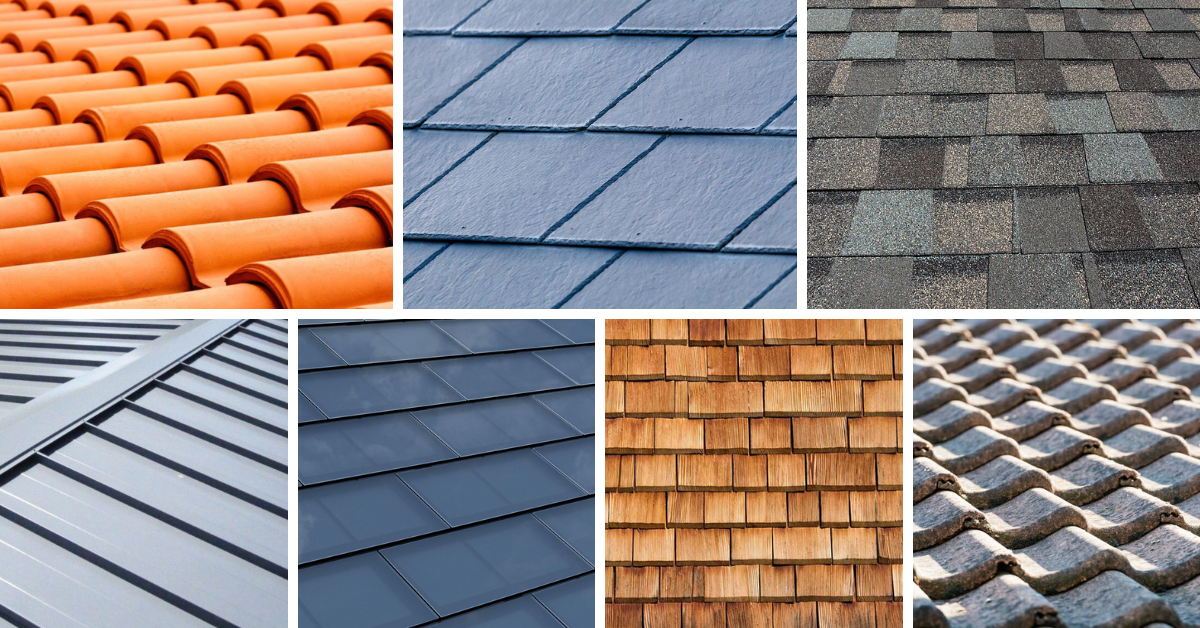
Different types of roofs have varying lifespans based on the materials used. Here's a breakdown of common roofing materials and their expected longevity:
- Asphalt Shingles: These dominate residential installations due to cost-effectiveness but typically last around 20-30 years.
- Metal Roofing: Gaining popularity for commercial properties, metal roofs can last 40-70 years depending on the type.
- Clay and Concrete Tiles: Often seen on high-end homes, these durable options can withstand harsh weather conditions for over 50 years.
- Wood Shakes: While offering aesthetic appeal, wood shakes require regular maintenance and may only last 30-50 years.
- Slate Roofs: Representing premium investments, slate roofs have an impressive lifespan of up to a century or more.
When it comes to choosing the right roofing material for your home or building, it's essential to consider both durability and budget.
The Role of Roofing Contractors
Roofing contractors play a crucial role in recommending suitable materials based on various factors such as:
- Structural capacity: Understanding how much weight your roof structure can support is vital when selecting certain types of roofs like clay or concrete tiles.
- Architectural style: Maintaining consistency with the overall design of your property is important; therefore, working with contractors who understand architectural styles can be beneficial.
- Expected lifespan: Different materials have different lifespans; discussing this aspect with contractors will help you align your expectations accordingly.
Ultimately, finding the right balance between initial costs and long-term performance requires careful consideration of Indiana's demanding weather patterns.
By understanding these key aspects related to roofing options in Indianapolis—such as local climate impacts, material durability, contractor recommendations—you'll be better equipped to make informed decisions about maintaining or replacing your roof while ensuring its longevity against harsh elements.
1. Asphalt Shingle Roofs: Affordable and Popular Choice
Asphalt shingle roofs Indianapolis properties dominate the residential landscape. These roofs deliver 20-30 years of protection when installed correctly with quality materials. The lifespan depends heavily on the grade of shingles selected—architectural shingles outlast basic three-tab varieties by several years.
Residential roofing Indianapolis contractors recommend asphalt shingles for good reason. The material costs significantly less than alternatives like metal or tile. Installation requires fewer specialized skills, reducing labor expenses. A typical home receives a complete asphalt shingle roof in 1-2 days compared to weeks for other materials.
Maintenance Requirements
Extend your asphalt shingle roof's life through consistent upkeep:
- Inspect twice yearly for damaged or missing shingles
- Clean gutters quarterly to prevent water backup under shingles
- Remove moss and algae with appropriate cleaning solutions
- Trim overhanging branches that scrape or drop debris on the roof
- Check flashing around chimneys and vents for gaps or rust
Critical Warning Signs
Asphalt shingles telegraph their decline through visible indicators:
Granule loss appears first. Check your gutters and downspouts for excessive granule accumulation—these ceramic-coated particles protect shingles from UV damage. Bare spots on shingles mean the protective layer has worn away.
Curling shingles signal advanced deterioration. Edges lift upward or the center bubbles, creating entry points for water. This happens when shingles reach the end of their service life or when poor attic ventilation causes excessive heat buildup.
Cracked or broken shingles expose the underlayment to weather. A few damaged shingles warrant repair. Widespread cracking across multiple roof sections indicates replacement time.
Dark streaks or discoloration suggest algae growth or moisture retention. While not immediately threatening, these conditions accelerate shingle breakdown.
Act quickly when you spot these signs. Water infiltration damages roof decking, insulation, and interior structures. Small repairs prevent expensive structural fixes later.
2. Metal Roofs: Durability That Lasts Decades
Metal roofing installations in Indianapolis are known for their exceptional durability, with lifespans ranging from 40 to 70 years. The exact lifespan depends on the specific type of metal used—such as steel, aluminum, copper, or zinc—and how well it is maintained. Generally, steel roofs last around 40 to 50 years, while copper and zinc roofs can exceed 70 years with proper care.
Weather Resistance Built for Indianapolis
Metal roofs are designed to withstand the extreme temperature fluctuations experienced in Indianapolis without compromising their structural integrity. During freezing winters when temperatures drop below zero, properly installed metal roofing systems suffer minimal damage. This is because the material has the ability to expand and contract without cracking, unlike more rigid roofing options.
In the summer months when temperatures soar into the 90s, metal roofs reflect heat away from the building, resulting in reduced cooling costs and preventing heat-related deterioration.
Heavy snow loads naturally slide off metal roofs, eliminating the risk of ice dam formation that can be problematic for other types of roofing materials. Additionally, quality metal roofing can withstand strong winds—gusts of up to 140 mph—when installed correctly.
Common Issues That Reduce Lifespan
While metal roofs are known for their longevity, there are certain factors that can shorten their lifespan:
- Denting: Severe hail strikes or falling branches can cause dents in the roof. Softer metals like aluminum tend to show dents more prominently than steel alternatives.
- Fading: Painted metal finishes may fade after 15 to 20 years of exposure to UV rays. To minimize color degradation, it is advisable to choose high-quality coatings such as Kynar 500.
- Rusting: Scratches that occur during installation or maintenance can create entry points for rust. It is important to inspect fasteners annually as loose screws can allow water infiltration and reduce wind resistance.
- Galvanic Corrosion: Contact between dissimilar metals can lead to galvanic corrosion. To avoid this issue, it is best not to mix copper flashing with steel panels.
Installation Quality Determines Performance
The performance of a metal roof greatly depends on the quality of its installation. Professional installers ensure that panel overlaps are done correctly, fastening patterns are secure, and flashing details are accurate. On the other hand, amateur work may result in weak points where water can penetrate.
When hiring contractors for metal roofing projects in Indianapolis, it is crucial to choose those who have experience and expertise in this specific field. They should be knowledgeable about thermal expansion requirements and proper underlayment selection.
To maintain the longevity of your metal roof:
- Schedule inspections every 3 to 5 years.
- Immediately tighten any loose fasteners.
- Remove debris from valleys and gutters twice a year.
- Apply touch-up paint to scratched areas before rust develops.
3. Clay and Concrete Tile Roofs: A Long-Term Investment
Clay concrete tile roofs Indianapolis are one of the most durable options for property owners looking for long-lasting solutions. These roofs can last over 50 years, and with proper maintenance, many installations can even exceed a century. The investment pays off with decades of reliable protection.
Understanding the Lifespan Potential
Quality tile roofing systems often outlast other types of roofs. Concrete tiles typically last between 50 to 75 years, while clay tiles can last over 100 years. The strength of the material and its resistance to fire, rot, and insect damage contribute to this impressive durability. Although individual tiles may crack or break, the overall system remains intact for generations.
Indiana Climate Challenges
The weather in Indianapolis presents specific challenges to tile roofing systems. During winter months, freeze-thaw cycles can put stress on the tiles. Water can seep into tiny cracks, freeze, expand, and cause damage. Concrete tiles are more susceptible to this process than clay tiles. Property owners need to consider this regional challenge when looking at tile roofing options.
Cost Analysis and Value Proposition
Expect to pay $10-$25 per square foot for tile roof installation—significantly higher than asphalt or metal alternatives. This upfront investment requires careful consideration. Calculate the cost per year of service: a $30,000 tile roof lasting 75 years costs $400 annually, while a $15,000 asphalt roof lasting 25 years costs $600 annually. The math favors tile roofing for long-term property ownership.
Installation and Maintenance Requirements
Tile roofing requires expert installation due to its weight. A structural assessment is necessary since tiles weigh between 750 to 1,000 pounds per square compared to asphalt's 200 to 300 pounds. It's important for your home's framing to support this load.
Professional installers play a crucial role in ensuring proper installation by taking care of the following:
- Underlayment
- Flashing
- Tile placement
To maintain optimal performance, regular inspections are essential to identify any cracked tiles before water damage occurs. Additionally, cleaning debris from valleys and gutters is necessary to prevent water pooling issues. It is also recommended to schedule professional assessments every 3-5 years as part of your maintenance routine.
4. Wood Shake Roofs: Natural Beauty with Care Requirements
Wood shake roofs typically last 20-30 years, reaching up to 40 years with diligent maintenance. Cedar and redwood shakes offer natural beauty that enhances property aesthetics, but this appeal comes with strict care requirements.
The Primary Threat
Moisture poses the primary threat to wood shake roofs. Indianapolis receives approximately 42 inches of precipitation annually, creating constant exposure to water damage. Without proper treatment, wood absorbs moisture during rain and snow events, leading to rot that compromises structural integrity. The freeze-thaw cycles characteristic of Indiana winters accelerate this deterioration process.
Critical Vulnerabilities
- Rot development in areas with poor drainage or inadequate ventilation
- Insect infestations from carpenter ants, termites, and wood-boring beetles
- Moss and algae growth in shaded roof sections
- Splitting and cracking from temperature fluctuations
Regular treatments protect wood shake roofs from these threats. Apply water-repellent preservatives every 3-5 years to maintain moisture resistance. These treatments prevent water penetration while allowing the wood to breathe naturally. Fungicide applications combat moss and mildew growth, particularly on north-facing slopes that receive limited sunlight.
DIY Inspection Tips
Inspect your wood shake roof twice annually—once in spring and again in fall. Look for loose or missing shakes, signs of rot, and areas where moss has taken hold. Check for insect activity around shake edges and in gaps between individual pieces. Address issues immediately to prevent minor problems from escalating into major damage.
The Importance of Professional Maintenance
Professional maintenance extends lifespan significantly. Hire experienced contractors who understand wood shake roofs Indianapolis properties require. They identify subtle warning signs homeowners often miss, such as early-stage rot or insect entry points. Professional cleaning removes debris that traps moisture and creates ideal conditions for decay. Schedule professional inspections every 2-3 years to supplement your own monitoring efforts.
5. Slate Roofs: The Century-Long Investment Choice
Slate roofs Indianapolis homeowners install represent the pinnacle of roofing longevity. These natural stone roofs routinely last 75 to 100 years, with some installations exceeding 150 years when properly maintained. The material's density and composition make it virtually impervious to Indianapolis' harsh weather cycles.
Understanding the Investment
Expect to pay $15 to $30 per square foot for slate installation—significantly higher than other roofing materials. The upfront cost reflects both material quality and specialized labor requirements. Your home's structure must support 800 to 1,500 pounds per square (100 square feet), depending on slate thickness. Most residential structures require reinforcement before installation.
Hire a structural engineer to assess your home's load-bearing capacity. The framing, trusses, and foundation must handle this additional weight without compromising structural integrity. Skipping this step leads to sagging, cracking, or catastrophic failure.
Weather Performance in Indianapolis
Slate excels in Indianapolis' climate extremes:
- Freeze-thaw resistance: Natural slate absorbs minimal water (less than 0.25%), preventing ice expansion damage
- Wind resistance: Properly installed slate withstands winds exceeding 100 mph
- Fire protection: Class A fire rating provides maximum protection
- Impact resistance: Hail and falling branches rarely damage quality slate
The material's density shields your home from temperature fluctuations. Summer heat and winter cold barely penetrate the stone surface, reducing energy costs year-round.
Maintenance Requirements
Inspect slate roofs annually for cracked or slipped tiles. Replace damaged pieces immediately—water infiltration accelerates deterioration of underlying materials. Check copper or stainless steel fasteners for corrosion every 20 years. Standard galvanized fasteners fail long before the slate itself.
Clean valleys and gutters twice yearly. Debris accumulation traps moisture against flashing and underlayment. Use soft brushes only—pressure washers crack slate surfaces.
Find contractors experienced with slate installation. Improper techniques void the material's longevity advantage. Walking on slate requires specific training to prevent breakage.
Factors Influencing Roof Longevity in Indianapolis' Climate
Indianapolis experiences extreme temperature swings that test every roofing material. Winter temperatures plunge below freezing, creating ice dams and freeze-thaw cycles that crack and split vulnerable materials. Summer heat soars into the 90s, causing thermal expansion and UV degradation that breaks down protective coatings and weakens structural integrity.
Climate-Specific Challenges:
- Freeze-thaw cycles - Water seeps into small cracks, freezes, expands, and creates larger damage. This cycle repeats dozens of times each winter, accelerating deterioration in clay tiles, concrete, and poorly maintained wood shakes.
- Ice dam formation - Snow melts and refreezes at roof edges, forcing water under shingles and causing leaks. Asphalt shingles suffer most from this persistent moisture exposure.
- UV radiation intensity - Summer sun degrades organic materials and fades protective coatings on metal roofs. Dark-colored asphalt shingles absorb excessive heat, shortening their lifespan by 3-5 years compared to lighter colors.
- Severe storm activity - High winds, hail, and heavy rainfall test roof fastening systems and surface durability. Metal roofs resist impact better than asphalt, but improper installation leaves both vulnerable.
Installation Quality Makes the Difference
How long does each type of roof last in Indianapolis? The answer depends heavily on installation expertise. Experienced Indy roofing contractors understand local building codes, proper ventilation requirements, and climate-specific installation techniques. They install adequate underlayment, ensure proper flashing around chimneys and vents, and secure materials to withstand 70+ mph wind gusts common during Midwest storms.
Poor installation voids manufacturer warranties and cuts expected lifespan in half. Hire licensed contractors with proven Indianapolis experience. Verify their insurance coverage. Check references from projects completed at least five years ago.
Recognizing When Your Roof Needs Replacement or Repair: Signs by Material Type
Inspect your roof regularly. Catching problems early prevents costly damage and extends your roof's service life.
Universal Warning Signs Across All Roof Types:
- Water stains on ceilings or walls - Active leaks demand immediate attention
- Sagging roof deck - Indicates structural compromise requiring urgent roof repair Indianapolis services
- Daylight visible through roof boards - Signals severe deterioration
- Increased energy bills - Poor insulation from damaged roofing materials
Material-Specific Deterioration Patterns:
Asphalt Shingles:
- Granule accumulation in gutters (schedule Indianapolis gutter repair if clogged)
- Curled, cracked, or missing shingles
- Bald spots where granules have worn away
- Shingles that appear darker or discolored
Metal Roofs:**
- Rust spots or corrosion at seams
- Loose or missing fasteners
- Dents from hail impact
- Fading paint or finish deterioration
Tile Roofs (Clay/Concrete):**
- Cracked or broken tiles
- Displaced tiles after wind events
- Efflorescence (white chalky deposits)
- Crumbling underlayment visible between tiles
Wood Shake:**
- Split or warped shakes
- Moss or algae growth
- Soft spots indicating rot
- Missing or loose shakes
Slate:**
- Cracked or missing slate tiles
- Flaking or delaminating pieces
- Damaged or rusted metal flashings
- Powdery residue on slate surface
Check your attic space. Look for water stains, mold growth, or damp insulation. These interior signs often reveal roof problems before exterior damage becomes obvious. Document any issues with photos and contact qualified contractors immediately.
Maintenance Tips to Extend Your Roof's Life in Indianapolis' Climate Conditions
Schedule inspections immediately after severe weather strikes.
Indianapolis experiences intense thunderstorms, heavy snow, and occasional hail. Check your roof within 48 hours of any major weather event. Look for displaced shingles, dents in metal roofing, cracked tiles, or damaged flashing around chimneys and vents.
Clear gutters and downspouts every season.
Clogged gutters force water to pool on your roof, leading to rot, ice dams in winter, and structural damage. Remove leaves, twigs, and debris at minimum twice yearly—once in late fall and again in early spring. If your gutters show signs of rust, separation from the roofline, or persistent clogging despite cleaning, consider gutter replacement Indianapolis professionals can handle before water damage compromises your roof deck.
Maintain proper attic ventilation year-round.
Indianapolis' temperature swings demand balanced airflow in your attic space. Poor ventilation traps heat in summer, accelerating shingle deterioration. In winter, inadequate ventilation creates condensation that breeds mold and rots wood structures. Install ridge vents, soffit vents, or attic fans to regulate temperature and moisture levels.
Trim overhanging branches before they become hazards.
Trees scraping against your roof wear down protective layers and deposit debris that holds moisture. Cut back branches at least six feet from your roofline.
Address minor repairs immediately.
Small leaks become major problems fast. Replace missing shingles, seal small cracks, and fix loose flashing the moment you spot issues. Delaying repairs accelerates damage exponentially, particularly during freeze-thaw cycles that expand existing cracks and gaps.
Choosing Experienced Roofing Contractors Who Understand Indiana's Unique Challenges
Select contractors who demonstrate proven experience with Indianapolis' freeze-thaw cycles and severe weather patterns. The best roofers in Indianapolis maintain portfolios showcasing projects that have withstood local climate extremes for years.
Verify licensing and insurance coverage before signing contracts. Indiana requires specific certifications for both commercial roofing Indianapolis projects and residential installations. Request documentation proving workers' compensation and liability insurance protect your property during work.
Essential Contractor Qualifications
- Local expertise: Contractors familiar with Indianapolis building codes and permit requirements
- Material knowledge: Understanding which roofing systems perform best in Indiana's climate
- Warranty offerings: Comprehensive coverage on both materials and workmanship
- References: Verified testimonials from recent projects in your area
Check how commercial roofing companies Indianapolis handle emergency repairs. Reliable contractors respond within 24 hours to urgent situations and maintain relationships with material suppliers for quick access to replacement components.
Examine the contractor's approach to Indianapolis residential roofing projects. The best roofing companies in Indianapolis conduct thorough roof inspections before providing estimates. They identify underlying structural issues, ventilation problems, and potential water damage that affects installation quality.
Request detailed written estimates from multiple commercial roofing contractors Indianapolis sources. Compare pricing structures, material specifications, project timelines, and payment schedules. The best roofing contractors Indianapolis provide transparent breakdowns without hidden fees.
Confirm the contractor employs trained crews rather than subcontracting work to unknown teams. Direct employment ensures consistent quality standards and accountability throughout your project. Ask about crew certifications from manufacturers like GAF, CertainTeed, or Owens Corning for specialized material installations.
Conclusion
Your roof protects everything beneath it. Understanding how long does each type of roof last in Indianapolis empowers you to make informed decisions about maintenance, repairs, and replacements. The lifespan varies dramatically—from 20-30 years for asphalt shingles to a century for slate—but every material demands attention to Indianapolis' challenging climate.
Take action now. Schedule an inspection with a qualified Indy roofing company before minor issues escalate into costly disasters. Don't wait for leaks to appear or shingles to blow off during the next storm. Proactive evaluation saves money and prevents emergency situations.
Consider these immediate steps:
- Document your roof's age and material type for future reference
- Inspect after every major weather event to catch damage early
- Budget for eventual replacement based on your material's expected lifespan
- Establish a relationship with trusted Indy roofers before emergencies strike
The question isn't whether your roof will need attention—it's when. Property owners who partner with experienced Indy roofing professionals gain peace of mind through regular maintenance schedules and expert guidance. Your roof represents a significant investment in your property's value and your family's safety.
Contact local roofing specialists today. Get a comprehensive assessment. Protect your investment before Indianapolis' next freeze-thaw cycle or summer storm tests your roof's limits.
FAQs (Frequently Asked Questions)
How long does an asphalt shingle roof typically last in Indianapolis?
In Indianapolis, asphalt shingle roofs usually have a lifespan of 20-30 years when installed with quality materials and proper workmanship. Regular maintenance, such as checking for granule loss and curling shingles, can help extend their durability.
What are the benefits and lifespan of metal roofing in Indianapolis?
Metal roofs in Indianapolis can last between 40 to 70 years depending on the type of metal used and maintenance practices. They offer excellent durability against harsh weather conditions like freezing winters and hot summers, though they may experience denting or fading over time. Professional installation is crucial for maximizing longevity.
Are clay and concrete tile roofs suitable for the Indiana climate, and how long do they last?
Clay and concrete tile roofs are a long-term investment option in Indianapolis, often lasting 50 years or more, sometimes exceeding 100 years with proper care. However, they are sensitive to freeze-thaw cycles common in Indiana's climate, requiring expert installation and regular maintenance to prevent damage.
What maintenance is required for wood shake roofs in Indianapolis to ensure longevity?
Wood shake roofs typically last 20-30 years in Indianapolis but can reach up to 40 years with diligent care. They are vulnerable to rot and insect damage if not properly maintained, so regular treatments, inspections, and prompt repairs are essential to preserve their natural beauty and structural integrity.
How durable are slate roofs in Indianapolis, and what should homeowners consider before installation?
Slate roofs are one of the most durable roofing options available in Indianapolis, with lifespans up to 100 years. Homeowners should consider the higher upfront cost and the need for structural support due to the heavy weight of slate. Their exceptional resistance to weather elements makes them a century-long investment choice.
What factors influence roof longevity in Indianapolis' climate, and how can homeowners choose reliable roofing contractors?
Roof longevity in Indianapolis is affected by local climate challenges such as freezing winters and hot summers. Quality installation by experienced local roofing contractors familiar with Indiana's unique weather conditions is vital. Homeowners should select reputable roofing companies that specialize in both residential and commercial roofing projects tailored for Indianapolis to ensure durable results.
