How Tree Branches Can Damage Your Indianapolis Roof Over Time
How Tree Branches Can Damage Your Indianapolis Roof Over Time
How Tree Branches Can Damage Your Indianapolis Roof Over Time
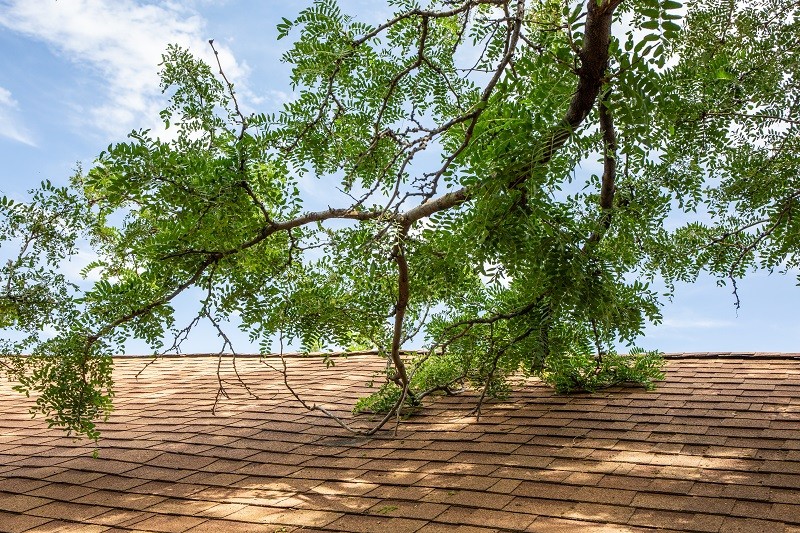
As a homeowner in Indianapolis, there's an unseen danger lurking above you—tree branches that can silently damage your roof over time. Year after year, these branches can weaken your roof's structure, leading to costly repairs down the line.
The Impact of Indianapolis Weather
The unique weather conditions in Indianapolis only make matters worse. Spring thunderstorms can be fierce, winter ice can accumulate heavily, and summer winds often exceed 40 mph. All of these factors contribute to the deterioration of your roof caused by tree branches.
Why Understanding Tree Damage Matters
It's crucial for homeowners to understand how tree branches can harm their roofs over time. This knowledge sets apart those who take preventive measures from those who end up facing emergency repairs.
Here are some ways tree branches can cause damage:
- Dead limbs as projectiles: During severe weather events, dead branches can break off and become dangerous projectiles.
- Overhanging branches scraping shingles: Each time the wind blows, overhanging branches can scrape against your shingles and wear away their protective granules.
- Clogged gutters causing water damage: Leaves and debris from trees can clog your gutters, preventing proper water drainage and forcing water underneath your roofing materials.
These problems often go unnoticed until significant damage has already occurred.
The Importance of Proactive Action
To maintain the strength of your roof, it's essential to address any tree-related risks before they worsen. A single branch falling during a storm has the potential to puncture through multiple layers of roofing material. Continuous contact between branches and shingles will gradually erode the protective coatings on your roof, shortening its lifespan by several years. Additionally, moisture trapped by decaying leaves creates an ideal environment for mold growth and wood rot.
Seeking Professional Help
Roofing experts in Indianapolis frequently identify tree damage as one of the main reasons roofs fail prematurely. Roofers in Indianapolis Indiana receive numerous emergency calls each year from homeowners who ignored early warning signs.
Now is the time to take action!
- Assess the trees around your property.
- Identify any potential hazards before they turn into expensive disasters.
The Risks Posed by Tree Branches to Your Roof
Tree branches create multiple pathways for roof damage. Each threat compounds over time, turning minor issues into major structural problems that demand immediate attention from roofing companies in Indianapolis, Indiana.
1. Physical Damage from Falling Branches
Dead branches become projectiles during storms. A single falling limb weighing 50 to 100 pounds strikes your roof with enough force to:
- Crack or shatter asphalt shingles
- Puncture through multiple roofing layers
- Damage underlayment and decking
- Create immediate leak points
- Compromise structural support beams
Indianapolis experiences severe weather patterns that accelerate branch failure. Summer thunderstorms bring winds exceeding 60 mph, snapping weakened limbs without warning. Winter ice accumulation adds hundreds of pounds to branch weight, causing sudden breaks when temperatures fluctuate. Spring storms combine heavy rain with gusty winds, creating perfect conditions for branch separation.
The 2020 derecho that swept through Indiana demonstrated this risk. Wind speeds reached 80 mph, causing widespread tree damage across Indianapolis neighborhoods. Residential roofing contractors in Indianapolis reported a 300% increase in emergency calls within 48 hours. Most damage came from falling branches, not entire trees.
Large branches don't need to be dead to cause destruction. Healthy limbs break under extreme stress:
- Ice-laden branches snap during freeze-thaw cycles
- Wind gusts create leverage points on extended limbs
- Heavy snow loads exceed branch capacity
- Lightning strikes weaken internal wood structure
A six-inch diameter branch falling from 30 feet generates impact force equivalent to dropping a 200-pound weight on your roof. This force shatters shingles, cracks tiles, and dents metal roofing. The best roofing contractors in Indianapolis see these impacts create damage patterns extending far beyond the initial strike point.
Puncture damage presents the most serious threat. A sharp branch end drives through roofing materials like a spear, creating a direct path for water infiltration. Rain enters immediately, soaking insulation and ceiling materials before you notice the breach. By the time water stains appear on interior ceilings, extensive hidden damage has already occurred.
Dead branches pose elevated risk because they lose structural integrity gradually. External appearance reveals little about internal decay. A branch that looks solid from ground level may have:
- Hollow core from insect damage
- Fungal rot weakening wood fibers
- Cracks invisible beneath bark
- Compromised attachment points
These weakened branches fail without warning. No storm is necessary—a strong breeze or minor ice accumulation triggers collapse. Roofing repair specialists in Indianapolis frequently respond to calls where homeowners report hearing a crash during calm weather. Investigation reveals a dead branch finally succumbed to its own weight.
The damage extends beyond the immediate impact zone. When a branch strikes your roof, the force transfers through roofing materials into the underlying structure. This creates:
- Stress fractures in adjacent shingles
- Loosened fasteners across multiple squares
- Shifted flashing around penetrations
- Compromised sealant bonds
A single branch impact can compromise roof integrity across a 10 to 15 square foot area. The Indy roofing company you hire must inspect beyond the visible damage to identify hidden structural issues.
Indianapolis's clay-heavy soil creates additional complications. Trees develop shallow root systems in these conditions, making them more susceptible to partial uprooting during storms. When roots shift, the entire tree sways more dramatically, amplifying branch movement and increasing break probability
2. Scratching and Abrasion on Roofing Materials
Constant contact between tree branches and your roof creates a grinding effect that slowly destroys protective layers. Wind causes branches to sway back and forth across shingles, acting like sandpaper against the surface. This repetitive motion strips away granules from asphalt shingles—the protective coating that shields your roof from UV rays and water penetration.
Asphalt Shingle Deterioration
The granule loss accelerates aging. A 20-year shingle can fail in 10-12 years when subjected to continuous branch abrasion. Bare spots appear where granules once protected the asphalt layer. Water seeps into these vulnerable areas, causing the underlying material to crack and curl. Indianapolis homes with mature oak and maple trees face this issue frequently, as these species develop heavy branches that extend far from the trunk.
Metal Roofing Vulnerability
Metal roofing Indianapolis installations aren't immune to abrasion damage. Branches scratch through protective coatings, exposing bare metal to moisture. Rust develops at these contact points. The damage spreads beneath the coating, compromising the entire panel's integrity. Pine needles and small twigs create thousands of micro-scratches that accumulate over years.
Long-Term Consequences
The damage progresses in stages:
- Year 1-2: Surface scratches appear, granule loss begins
- Year 3-5: Exposed underlayment becomes visible, minor leaks start
- Year 6+: Structural damage requires professional roofing repair Indianapolis services
Indianapolis residential roofing contractors report that abrasion damage often goes unnoticed until significant deterioration occurs. Homeowners mistake the slow degradation for normal aging.
Prevention Strategies
Maintain a minimum 10-foot clearance between branches and your roof surface. Trim branches annually before storm season. Install zinc or copper strips along roof ridges to prevent algae growth in abraded areas. Schedule inspections with roofers Indianapolis Indiana professionals every 18 months to catch early signs of wear. The best roofing contractors Indianapolis recommend documenting branch positions with photos to track growth patterns threatening your roof.
3. Clogged Gutters Caused by Tree Debris
Overhanging branches deposit a constant stream of organic material into your gutter system. Leaves, twigs, seed pods, and pine needles accumulate rapidly, creating dense blockages that prevent proper water flow. This debris doesn't simply wash away—it forms compacted masses that trap moisture and additional material.
Immediate Damage
When water overflows from clogged gutters during Indianapolis's frequent spring storms and summer downpours, immediate damage occurs. Water cascades down exterior walls, seeps behind siding, and saturates fascia boards. The overflow creates standing water on roof edges, allowing moisture to penetrate beneath shingles and compromise the roof deck.
Long-Term Consequences
Trapped debris holds moisture against roofing materials, leading to long-term consequences. The constant dampness accelerates shingle deterioration, corrodes metal flashing, and promotes wood rot in fascia and soffit areas. Ice dams form more readily in winter when clogged gutters prevent proper drainage of melting snow.
Vulnerability of Indianapolis Homes
Indianapolis homes are particularly vulnerable due to the region's diverse tree population and seasonal weather patterns. The city's mix of deciduous and evergreen trees means debris accumulation occurs year-round, not just during fall leaf drop. Spring storms bring down small branches and seed clusters, while summer winds deposit twigs and leaves continuously.
Importance of Gutter Maintenance
Professional roofing repair Indianapolis services frequently trace leak sources back to gutter blockages. Many residential roofing Indianapolis contractors report that gutter-related water damage accounts for a significant percentage of repair calls. The best roofing contractors Indianapolis emphasize that gutter maintenance directly impacts roof longevity.
Preventing Problems with Regular Gutter Cleaning
Regular gutter cleaning prevents these cascading problems. Schedule cleanings at minimum twice annually—once after spring flowering and again after fall leaf drop. Properties with heavy tree coverage require quarterly maintenance. Install gutter guards to reduce debris accumulation, though these systems still require periodic inspection and cleaning.
Seeking Professional Help for Gutter Issues
Indianapolis gutter repair specialists can assess damage severity and recommend solutions. Contact an Indy roofing company immediately if you notice water staining on exterior walls, sagging gutters, or visible overflow during rainfall. Roofing companies Indianapolis Indiana offer combined gutter and roof inspection services to identify interconnected issues before they escalate.
4. Moisture Retention and Mold Growth Due to Overhanging Branches
Overhanging tree branches create a persistent moisture problem for residential roofing Indianapolis properties face year-round. Leaves, twigs, and organic debris accumulate on roof surfaces, forming a dense mat that acts like a sponge. This layer traps water from rain, morning dew, and Indianapolis's humid summer conditions directly against your shingles. The constant contact with moisture accelerates shingle deterioration, breaking down the protective granules and compromising the asphalt composition underneath.
Dense tree canopies cast shadows across your roof throughout the day, preventing adequate sunlight exposure and air circulation. Your roof needs direct sunlight to dry properly after precipitation events. Without it, moisture lingers for extended periods—sometimes days instead of hours. Indianapolis experiences approximately 42 inches of precipitation annually, making proper roof drying essential for longevity. Shaded areas remain damp, creating ideal conditions for organic growth and material degradation.
Mold and mildew colonize damp roof surfaces rapidly, appearing as dark streaks or patches across shingles. These organisms don't just affect appearance—they actively consume roofing materials. Mold roots penetrate shingle surfaces, creating microscopic channels that allow water infiltration. The damage compounds over time as colonies expand and multiply. What begins as surface discoloration eventually leads to structural compromise requiring extensive roofing repair Indianapolis contractors must address.
The combination of trapped moisture and organic debris creates a self-perpetuating cycle of decay. Decomposing leaves release acids that further break down roofing materials. Moss growth follows mold establishment, with root systems lifting shingle edges and creating entry points for water. This long-term damage differs significantly from immediate storm impacts—it develops gradually, often going unnoticed until significant deterioration occurs.
Best roofing contractors Indianapolis professionals identify moisture-related damage during inspections by checking for:
- Dark staining or discoloration patterns
- Soft or spongy spots on roof surfaces
- Visible moss or algae growth
- Curling or lifting shingle edges
- Premature granule loss in shaded areas
Roofing companies Indianapolis Indiana specialists recommend addressing overhanging branches before moisture damage requires complete roof replacement.
5. Pest Access Facilitated by Overhanging Branches
Overhanging branches create natural pathways for wildlife to reach your roof. Squirrels use these routes to jump directly onto roofing surfaces, where they chew through shingles, fascia boards, and soffit vents looking for ways into attics. Birds build nests in gutters and under eaves, their droppings speeding up shingle deterioration through acidic compounds. Raccoons take advantage of weak spots around roof openings, ripping away damaged materials to make den sites.
Common pest-related damage includes:
- Chewed holes through asphalt shingles and wooden roof decking
- Stripped insulation from wiring in attic spaces
- Blocked ventilation systems from nesting materials
- Compromised flashing around chimneys and vents
- Destroyed gutter systems from animal weight and activity
Indianapolis homes are especially vulnerable during fall and winter months when squirrels and raccoons look for warm shelter. The city's mature tree canopy provides ideal conditions for these animals to thrive. A single squirrel can cause thousands of dollars in damage within weeks, chewing through roofing materials and creating entry points that allow water infiltration.
Carpenter ants and termites follow branches directly to roof structures, making colonies in moisture-damaged wood. These insects work quietly, hollowing out structural supports before homeowners see visible damage. The combination of moisture retention from overhanging branches and pest access creates accelerated decay patterns that roofing repair Indianapolis specialists often come across.
Professional roofing companies Indianapolis Indiana recommend keeping a minimum six-foot distance between branches and roof surfaces. This space stops most wildlife from jumping onto roofs while still keeping trees healthy. Best roofing contractors Indianapolis work with certified arborists to find out which branches pose the biggest pest access risks. Regular inspections by qualified Indy roofing company experts catch early signs of animal activity before major damage happens.
Pest prevention needs equal focus on tree maintenance and roof integrity. Seal up existing entry points right after trimming branches. Put metal flashing around vulnerable areas where animals usually try to get in. Schedule biannual inspections with experienced residential roofing Indianapolis contractors who know local wildlife behavior patterns and seasonal activity cycles.
6. Risk of Entire Tree Fall During Severe Weather
A complete tree collapse represents the most catastrophic form of tree-related roof damage. Indianapolis experiences severe thunderstorms, ice storms, and high winds throughout the year—conditions that can topple compromised trees directly onto homes. The resulting damage often requires immediate roofing repair Indianapolis services and can affect both residential roofing Indianapolis properties and commercial structures.
Warning Signs of Hazardous Trees:
- Visible lean exceeding 15 degrees from vertical, particularly if the lean direction points toward your home
- Dead or dying branches concentrated in the upper canopy, indicating systemic health problems
- Trunk cracks or splits running vertically along the bark, suggesting structural weakness
- Root damage from construction, soil erosion, or fungal decay near the base
- Hollow sections in the trunk, detectable through tapping or visible cavities
- Mushroom growth at the tree base, signaling internal rot and decay
- Peeling or missing bark in large sections, exposing vulnerable wood underneath
Ice accumulation during Indianapolis winters adds significant weight to branches and canopies. A single ice storm can transform a marginally stable tree into an immediate threat. Wind events exceeding 50 mph compound these risks, creating conditions where even seemingly healthy trees fail.
According to research conducted by the USDA Forest Service, trees that are not properly maintained can pose serious risks during such weather events.
When to Seek Professional Assessment:
Contact certified arborists immediately if you observe any warning signs listed above. Schedule inspections after major storms, even if no visible damage occurred. Trees within falling distance of your roof—typically one and a half times the tree's height—require annual evaluation.
The best roofing contractors Indianapolis and commercial roofing contractors Indianapolis work alongside arborists to assess potential threats. These professionals identify both immediate hazards requiring emergency removal and long-term risks needing monitoring. Roofing companies Indianapolis Indiana often maintain relationships with tree service providers, enabling coordinated response when trees threaten structures.
Document all tree assessments and removal recommendations. Insurance claims for tree-related damage require proof of reasonable maintenance efforts. The best roofing companies in Indianapolis can provide damage assessments that support these claims while planning necessary repairs.
Preventive Measures to Protect Your Roof from Tree Damage
Act now to prevent tree-related roof damage before it escalates into expensive repairs. Understanding how tree branches can damage your Indianapolis roof over time starts with implementing strategic protective measures. The best roofers in Indianapolis emphasize that proactive maintenance saves thousands in potential repair costs.
Tree Pruning and Trimming Best Practices
Maintain a minimum clearance of 6-10 feet between tree branches and your roof surface. This distance prevents direct contact during wind events and eliminates the bridge pests use to access your home. Residential roofing Indianapolis experts consistently identify inadequate clearance as a primary factor in preventable roof damage.
Proper Pruning Techniques:
- Cut branches at the branch collar, not flush against the trunk
- Use the three-cut method for branches larger than 1.5 inches in diameter
- Remove dead, diseased, or damaged branches first
- Thin dense canopies to reduce wind resistance and weight load
- Avoid removing more than 25% of a tree's canopy in a single season
Never top trees or leave stubs. These practices create weak growth patterns and increase the likelihood of branch failure during storms. Roofing contractors Indianapolis work with regularly report that improperly pruned trees cause more damage than those left completely unmaintained.
Seasonal Timing for Indianapolis Area:
Prune most deciduous trees during late winter dormancy (January through March). The trees experience less stress, wounds heal faster, and you can clearly see the branch structure without foliage obstruction. Oak trees require special attention—prune them only during dormancy to prevent oak wilt disease transmission.
Schedule evergreen pruning for late winter or early spring before new growth emerges. Wait until after spring flowering for ornamental trees that bloom early. An Indy roofing company can coordinate inspections with your pruning schedule to assess any existing damage before new growth obscures problem areas.
Critical Safety Protocols:
- Never prune branches within 10 feet of power lines—contact utility companies
- Use proper safety equipment including hard hats, safety glasses, and gloves
- Hire certified arborists for branches over 3 inches in diameter or above 15 feet
- Inspect equipment before each use to ensure proper function
- Work with a partner who can assist and call for help if needed
Roofing companies Indianapolis trust recommend annual pruning assessments, particularly after severe weather events. Ice storms, high winds, and heavy snow loads common to the Indianapolis area create stress fractures in branches that may not fail immediately but weaken over time.
Document your pruning schedule and maintain records of which trees received attention. This information helps residential roofing Indianapolis contractors identify patterns if damage occurs and assists insurance claims by demonstrating proper maintenance practices.
Contact certified arborists who understand local tree species and Indianapolis weather patterns. They identify structural weaknesses invisible to untrained eyes and recommend pruning strategies that protect both tree health and roof integrity. Coordinate these assessments with roof inspections from qualified roofing contractors Indianapolis homeowners rely on for comprehensive property protection.
Maintaining Overall Tree Health Near Your Roof
Healthy trees pose fewer risks to your Indianapolis home. Implement a comprehensive fertilization schedule that addresses nutrient deficiencies specific to Indiana soil conditions. Apply balanced fertilizer in early spring and late fall to strengthen root systems and improve disease resistance. Weak or diseased trees drop branches more frequently, creating hazards for your roof.
Monitor trees regularly for signs of stress, disease, or pest infestation. Look for discolored leaves, unusual bark patterns, or premature leaf drop. These symptoms indicate underlying problems that compromise structural integrity. Address issues immediately through targeted treatments or professional intervention to prevent branch failure.
Essential tree care practices include:
- Water deeply during drought periods to maintain root health
- Remove dead wood promptly to prevent unexpected branch falls
- Apply mulch around the base to retain moisture and regulate soil temperature
- Inspect for fungal growth, cavities, or cracks in major limbs
- Test soil pH annually and adjust as needed for optimal nutrient absorption
Maintain a minimum clearance of two meters between branches and your roof surface. This distance prevents direct contact during wind events and reduces debris accumulation. The best roofers in Indianapolis recommend this spacing to minimize abrasion damage and pest access points.
Coordinate with roofing contractors Indianapolis to assess tree-roof proximity during routine inspections. Professional roofing companies Indianapolis can identify potential hazards that property owners might overlook. Many residential roofing Indianapolis specialists work alongside certified arborists to develop integrated maintenance plans.
Disease prevention requires proactive treatment rather than reactive measures. Apply preventive fungicides during vulnerable growth periods. Prune infected branches at least 12 inches below visible damage to stop disease spread. Proper sanitation between cuts prevents cross-contamination, which is crucial according to the CDC's environmental infection control guidelines.
Commercial roofing companies Indianapolis and residential services both emphasize the connection between tree health and roof longevity. Investing in tree care reduces long-term roofing expenses by preventing damage before it occurs. Regular maintenance by an Indy roofing company combined with arborist services creates a comprehensive protection strategy for your property.
Working with Professional Roofing Contractors and Arborists in Indianapolis
Hire experienced roofing contractors Indianapolis to conduct thorough roof inspections. The best roofers in Indianapolis identify damage patterns caused by tree branches before minor issues escalate into major structural problems. Professional residential roofing Indianapolis specialists understand how tree-related wear manifests on different roofing materials common to the area.
Schedule coordinated assessments with both certified arborists and qualified roofing companies Indianapolis. This dual approach ensures comprehensive property protection. Arborists evaluate tree health, stability, and proximity risks while roofing professionals assess existing damage and vulnerability points on your roof structure.
Roofing repair Indianapolis experts document damage from overhanging branches with detailed reports and photographic evidence. This documentation proves invaluable for insurance claims related to tree damage. The best roofing contractors Indianapolis provide accurate cost estimates for repairs ranging from shingle replacement to structural reinforcement.
Establish a maintenance schedule with your chosen Indy roofing company and arborist team. Regular inspections catch problems early:
- Spring assessments after storm season identify winter damage
- Fall evaluations prepare your roof for harsh weather ahead
- Post-storm checks document immediate damage requiring urgent attention
Professional arborists maintain the recommended distance of at least two meters between tree branches and your roof surface. This clearance prevents direct contact while allowing adequate air circulation. Certified tree care specialists use proper pruning techniques that promote healthy growth patterns away from structures.
Roofing companies Indianapolis coordinate with arborists to schedule work that protects both your roof and surrounding trees. Licensed professionals carry insurance coverage protecting you from liability during maintenance operations. They follow safety protocols preventing accidents that could damage your property or cause injuries.
Request references from both residential roofing Indianapolis contractors and local arborists. Verify licensing, insurance coverage, and industry certifications before authorizing work. Experienced professionals provide written warranties on their services, giving you peace of mind about long-term protection against tree-related roof damage.
FAQs (Frequently Asked Questions)
How can tree branches physically damage my Indianapolis roof during storms?
In Indianapolis, large or dead tree branches can break off during storms or high winds, causing structural damage to your roof such as broken shingles or punctures. This physical damage compromises the roof's integrity and can lead to costly repairs.
What types of abrasion damage do tree branches cause to roofing materials in Indianapolis?
Tree branches rubbing against your roof can wear down shingles and metal roofing over time, leading to reduced lifespan and diminished appearance. This abrasion is especially relevant for Indianapolis homes due to seasonal weather patterns that increase branch movement against roofs.
How do overhanging tree branches contribute to clogged gutters in Indianapolis homes?
Leaves, twigs, and needles from overhanging branches accumulate in gutters, obstructing water drainage. This blockage increases the risk of leaks and water damage to your roof, making regular gutter maintenance essential for Indianapolis homeowners.
Why is moisture retention from overhanging branches a concern for roofs in Indianapolis?
Leaf litter trapped by overhanging branches retains moisture, causing shingle decay. Additionally, the shade from tree canopies slows roof drying, promoting mold and mildew growth that compromises the structural integrity of your Indianapolis roof.
How do tree branches facilitate pest access to roofs in Indianapolis?
Branches act as bridges for squirrels, birds, and insects to reach roofs where they may nest or chew on roofing materials. This pest activity can cause significant damage, highlighting the importance of pest prevention alongside regular tree maintenance in Indianapolis.
What risks does an entire tree fall pose to my Indianapolis roof during severe weather?
During severe weather in Indianapolis, entire trees may fall onto roofs causing extensive structural damage. Proactive assessment and maintenance of trees near your home are crucial to mitigate this risk and protect your roofing investment.
