How to Handle Roof Insurance Claims After Indianapolis Storms
How to Handle Roof Insurance Claims After Indianapolis Storms
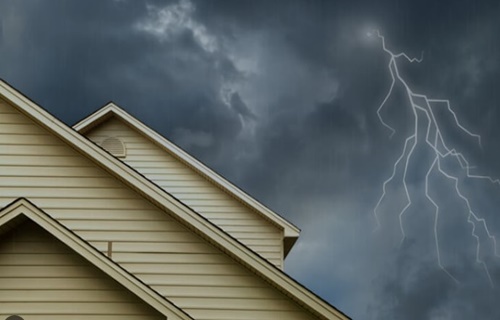
How to Handle Roof Insurance Claims After Indianapolis Storms
Indianapolis storms strike with little warning. Hail pounds roofs. Wind tears shingles. Rain finds every weakness. Ice adds crushing weight. Your roof takes the hit, and the damage demands immediate action.
Understanding roof insurance claims after Indianapolis storms protects your investment. Local roofing contractors and companies specializing in storm damage restoration stand ready to help, but you must know the process. The difference between a smooth claim and a denied one often comes down to proper handling from day one.
Types of Storm-Related Roof Damage
Storm-related roof damage appears in multiple forms:
- Hail damage: Dents, cracks, and granule loss on shingles
- Wind damage: Missing or lifted shingles, exposed underlayment
- Rain damage: Water intrusion, leaks, and interior ceiling stains
- Ice damage: Ice dam formation causing structural stress
Homeowners' insurance exists for these exact scenarios. Your policy covers storm damage when you follow the correct procedures. The key lies in documenting everything, reporting promptly, and working with qualified roofing companies Indianapolis residents trust.
The Importance of Acting Quickly
Act fast. Delays complicate claims. Missing documentation weakens your case. The clock starts ticking the moment the storm passes. Professional roofing Indianapolis contractors can assess damage accurately, but you need to initiate the process. Your insurance company expects timely reporting and thorough evidence.
The stakes are high. Handle your claim correctly or risk paying out of pocket for repairs that insurance should cover.
Understanding Roof Damage from Indianapolis Storms
Indianapolis storms bring a destructive mix of weather elements that can damage roofing systems on both homes and businesses. Hailstones, which can be as small as peas or as large as softballs, create unique impact patterns on shingles, dent metal roofs, and crack asphalt materials. Winds blowing at speeds over 60 mph can lift shingles, tear flashing, and allow water to seep into the underlayment. Heavy rain can get through these damaged areas and soak the decking and insulation underneath the roof.
How Hailstorms Damage Different Roofing Materials
Hailstorm damage looks different depending on the type of roofing material used:
- Asphalt shingles show bruising, loss of granules, and circular impact marks.
- Metal roofing systems have dents and chipped paint.
- Tile roofs crack or break when directly hit.
- Flat commercial roofs develop holes in their membrane layers.
The Problems Caused by Wind Damage
Wind damage creates its own set of issues. Lifted or missing shingles leave the roof decking exposed to moisture. Torn flashing around chimneys, vents, and skylights allows water to bypass the main roofing layers. Indianapolis residential roofing often experiences damage at the edges where wind forces are strongest at the perimeters and corners of the roof.
Why You Should Act Quickly After a Storm
It's important to detect any damage right after a storm occurs. If you wait weeks or months, small problems can turn into bigger structural issues that require extensive roofing repairs. Water can quickly spread through compromised areas, rotting the decking, damaging insulation, and promoting mold growth inside wall cavities.
Signs of Visible Damage You Can Look For
Here are some visible signs of damage that you can check for:
- Missing or displaced shingles
- Dented gutters and downspouts
- Granules collecting in gutters
- Cracked or broken tiles
Signs of Hidden Damage That Need Professional Inspection
There are also signs of hidden damage that will require a professional inspection:
- Compromised underlayment integrity
- Weakened decking structure
- Damaged flashing systems
- Moisture trapped in insulation layers
How Roofing Companies Detect Hidden Damage
Roofing companies in Indianapolis use specialized equipment to find hidden damage that can't be seen from the ground. They use thermal imaging technology similar to what is described here, which allows them to see where moisture is getting in and moisture meters to measure how wet the decking materials are. These tools help storm damage roofing specialists document all the damage for insurance claims so that no compromised areas go unrepaired
Step 1: Immediate Reporting to Your Insurance Company
Contact your insurance company within 24 to 48 hours after the storm passes. Most policies require notification within a specific timeframe—typically days to weeks—but faster reporting strengthens your position. Delays can raise red flags with adjusters who may question whether the damage occurred during the reported storm event.
Critical Reporting Timeline:
- Document the storm date and time immediately
- Call your insurer's claims department before starting any temporary repairs
- Request a claim number and adjuster assignment during the first call
- Confirm your policy number and coverage details
Homeowners often struggle with incomplete policy information when filing roof insurance claims Indianapolis. Many cannot locate their policy documents or misunderstand their coverage limits. Others hesitate to report damage, fearing premium increases or policy cancellation. These concerns lead to delayed reporting, which complicates the claims process.
Prepare essential information before contacting your insurer:
- Policy number and effective dates
- Exact storm date and approximate time
- Brief description of visible damage
- Emergency measures taken to prevent further damage
- Contact information for follow-up
Your insurance company assigns an adjuster based on claim volume and severity. Quick reporting places your claim in the queue faster. Adjusters handle multiple claims simultaneously after major storms, creating backlogs that can extend weeks. Early filing insurance claims Indianapolis ensures you receive attention before the rush intensifies.
Keep detailed records of all communications. Note the representative's name, date, time, and conversation summary for each interaction. Request email confirmations of verbal discussions. This documentation protects you if disputes arise later.
Some insurers offer mobile apps or online portals for claim submission. Use these tools to upload initial photos and damage descriptions immediately. Digital submissions create timestamps proving prompt reporting. Roofing contractors Indianapolis can assist with technical terminology when describing damage to your insurer, ensuring accurate initial reports that prevent misunderstandings during the adjustment process.
Step 2: Thorough Damage Assessment and Documentation
Document every detail immediately after receiving claim approval to move forward. Your documentation serves as the foundation for your entire insurance claim process.
Conducting a Safe Self-Assessment
Stay on the ground when performing your initial inspection. Use binoculars to examine your roof from multiple angles around your property. Look for missing shingles, dented vents, damaged flashing, and granule loss in gutters. Check your attic for water stains, daylight penetration, or sagging areas. Never climb onto a damaged roof—this creates liability issues and risks personal injury.
Photographing Damaged Areas
Capture images from every angle of your property. Take wide shots showing the entire roof structure, then move to close-up photos of specific damage points. Document:
- Missing or lifted shingles
- Dented metal components (vents, flashing, gutters)
- Cracked or broken tiles
- Damaged soffit and fascia
- Interior water damage or staining
- Debris accumulation in valleys
Include a reference object like a coin or ruler in close-up shots to demonstrate damage scale. Take photos in natural daylight for clarity.
Creating Detailed Written Records
Write down specific observations immediately after the storm. Record:
- Storm date and approximate time
- Hailstone size (compare to common objects: pea, marble, golf ball)
- Wind speed estimates from local weather reports
- Duration of severe weather
- Location of each damaged area on your roof
Attach weather reports from the National Weather Service to your claim file. These official records validate your damage timeline when working with residential roofing Indianapolis contractors and insurance adjusters.
Request a professional roofing inspection Indianapolis appointment within 48-72 hours. Roofers Indianapolis Indiana specialists provide detailed assessment reports that strengthen your claim documentation. Their expertise identifies hidden damage your initial assessment might miss, ensuring comprehensive coverage for How to Handle Roof Insurance Claims After Indianapolis Storms situations.
Step 3: Professional Roof Inspection and Estimates
Hire a Licensed Contractor
Hire a licensed contractor immediately after completing your initial documentation. Contact multiple best roofing contractors Indianapolis has to offer—request at least three estimates. It's crucial to verify each contractor's licensing and insurance coverage and ensure they possess storm damage expertise specific to Indiana weather patterns.
Schedule Inspections Promptly
Schedule inspections within 48-72 hours of the storm event. Professional roofers use specialized equipment to detect damage invisible to untrained eyes. They examine:
- Shingle granule loss and cracking
- Flashing deterioration around chimneys and vents
- Underlayment compromise
- Structural deck damage
- Gutter and downspout impacts
Obtain Detailed Reports and Estimates
Commercial roofing contractors Indianapolis businesses trust typically provide detailed written reports with measurements, material specifications, and photographic evidence. These documents carry significant weight with insurance adjusters. Request itemized estimates breaking down labor costs, material expenses, and timeline projections.
Understand the Importance of Professional Assessments
Professional assessments eliminate guesswork from repair scopes. An experienced Indy roofing company calculates square footage accurately, identifies code compliance requirements, and determines whether repairs suffice or full replacement becomes necessary. This precision prevents disputes with insurers over coverage amounts.
Use Expert Inspection Reports for Negotiation
Expert inspection reports serve as powerful negotiation tools. Insurance adjusters often attempt to minimize claim payouts—they may dispute damage severity or attribute problems to normal wear. A certified contractor's documentation counters these tactics with technical evidence and industry-standard repair protocols.
Ensure Your Contractor Can Assist with Insurance Claims
Ensure your chosen contractor specializes in insurance claim assistance. Many reputable firms employ staff trained to communicate directly with adjusters, translate technical findings into insurance terminology, and advocate for proper compensation. They understand policy language and common insurer objections.
Verify Contractor References and Experience
Request contractors provide references from recent storm damage projects. Verify their track record with local Better Business Bureau ratings and online reviews. Ask specific questions about their experience handling claims with your insurance carrier—familiarity with particular insurers streamlines the process and reduces approval delays.
Step 4: Filing Your Roof Insurance Claim Correctly
Work with Your Contractor
Partner with your roofing contractor before submitting paperwork. Experienced roofing companies in Indianapolis Indiana understand the roof insurance claims process Indianapolis inside and out. They know what adjusters look for and can help structure your claim for maximum success. Request their detailed estimate and inspection report—these documents carry significant weight with insurers.
Understand Your Policy
Study your policy terms before filing. Know your deductible amount, coverage limits, and specific exclusions related to storm damage. Contact your insurance company's claims department directly and ask for clarification on any confusing language. Document these conversations with names, dates, and reference numbers.
Documentation You Need
Submit these essential items when filing roof claims Indiana:
- Complete contractor inspection report with damage assessment
- High-resolution photographs showing all affected areas
- Written repair estimates from licensed contractors
- Storm date and weather service reports confirming severe conditions
- List of damaged items with replacement values
- Previous maintenance records proving proper roof care
Mistakes to Avoid
Avoid these claim-killing mistakes:
Never exaggerate damage. Adjusters spot inflated claims immediately. Stick to factual descriptions backed by professional assessments.
Don't delay submission. Most policies require notification within specific timeframes—typically 30 to 60 days after discovering damage. Missing deadlines gives insurers grounds for denial.
Skip verbal-only agreements. Get everything in writing from both your contractor and insurance company. Verbal promises hold no weight during disputes.
Refuse lowball initial offers without review. Insurance companies often start with minimal settlements. Compare their assessment against your contractor's estimate. Request detailed explanations for any discrepancies.
Stay Organized
Keep copies of every document submitted. Create a dedicated folder—physical or digital—containing all correspondence, photos, estimates, and policy information. This organized approach speeds up the roof insurance claims process Indianapolis and protects you if disputes arise. Track all communication attempts, including unanswered calls or emails to your adjuster.
Step 5: Navigating the Repair Process After Claim Approval
Claim approval marks the beginning of actual restoration work. Select materials that match your insurer's approved specifications exactly. Your policy documentation will outline covered materials, quality grades, and acceptable alternatives. Deviations from approved materials can result in reduced reimbursement or coverage disputes. Work directly with your roofing repair Indianapolis contractor to confirm material choices align with both insurance requirements and local building codes.
Schedule repairs immediately after approval. Storm damage creates vulnerability to additional weather-related deterioration. Delays allow water infiltration, structural weakening, and potential mold growth. Contact commercial roofing companies Indianapolis or residential roofing Indianapolis specialists who maintain adequate crew availability for storm restoration projects. Request specific start and completion dates in writing. Confirm the contractor's timeline accommodates your insurance company's repair deadline requirements.
Verify contractor credentials before work begins:
- Active Indiana contractor license
- Current liability and workers' compensation insurance
- Storm damage restoration experience in Indianapolis
- References from recent insurance claim projects
- Written warranty terms for materials and labor
Monitor the repair process daily. Quality workmanship directly impacts your roof's longevity and future insurance claims. Inspect completed sections before crews move to new areas. Address concerns immediately rather than waiting for project completion. Document the repair process with dated photographs showing work progression and finished sections.
Request detailed invoices itemizing all materials, labor costs, and disposal fees. Your insurance adjuster may require this documentation for final claim settlement. Keep copies of all receipts, material specifications, and warranty certificates. These records prove essential if future issues arise or when selling your property.
Understanding How to Handle Roof Insurance Claims After Indianapolis Storms includes managing the restoration phase professionally. Proper material selection, timely scheduling, and quality oversight protect your investment and ensure full insurance benefit utilization.
Avoiding Common Pitfalls When Handling Roof Insurance Claims
Document Everything
Document every interaction with your insurance company. Keep records of phone calls, emails, and in-person meetings. Provide accurate information about the storm damage—exaggerating or minimizing issues creates problems during the claims process. The best roofers in Indianapolis emphasize honesty when working with adjusters to maintain credibility throughout your claim.
Understand the Impact on Your Premiums
Your premiums may increase after filing a storm damage claim. Review your policy to understand how claims affect future rates. Some insurers offer claim-free discounts that disappear after filing. Calculate whether the repair costs justify filing a claim or if paying out-of-pocket makes financial sense for minor damage. Contact your Indy roofing company to get accurate repair estimates before making this decision.
Meet Critical Deadlines
Critical deadlines demand immediate attention:
- Submit initial claim reports within the timeframe specified in your policy—typically 48-72 hours after discovering damage
- Respond to adjuster requests for additional documentation within stated deadlines
- Begin repairs promptly after approval to prevent further deterioration
- Complete all work within the insurer's specified completion window
Read Your Policy Carefully
Read your policy's deductible structure carefully. Wind and hail damage often carry separate deductibles from standard coverage. Some policies use percentage-based deductibles rather than flat amounts, significantly impacting your out-of-pocket costs. Verify whether your coverage includes full replacement cost or actual cash value—this distinction affects your payout substantially.
Check Coverage Limits
Coverage limits vary by policy type. Standard homeowners insurance may exclude certain storm-related damages or cap payouts for specific repairs. Check if gutter replacement Indianapolis services fall under your roof coverage or require separate claims. Some policies exclude cosmetic damage unless it affects structural integrity. Request clarification from your insurer about coverage gaps before signing repair contracts.
Be Wary of Unethical Practices
Avoid signing contracts with contractors who offer to waive your deductible—this practice violates insurance agreements and may void your claim. Reject pressure tactics from companies demanding immediate signatures or upfront payments before insurance approval.
Additional Services Related to Storm Damage Restoration in Indianapolis
Storm damage extends beyond your roof's surface. Inspect gutters, downspouts, and fascia boards immediately after severe weather strikes Indianapolis. Water intrusion from damaged gutters causes foundation problems, basement flooding, and exterior wall deterioration. These secondary damages compound repair costs when left unaddressed.
Gutter Replacement Services
Gutter replacement Indianapolis services often accompany roof repairs. Local contractors identify bent hangers, cracked seams, and detached sections during roof inspections. Hailstones dent aluminum gutters while high winds tear them from mounting brackets. Request a comprehensive property assessment that includes both systems. This approach prevents multiple contractor visits and reduces total restoration time.
Streamlined Insurance Claims
Bundled service packages streamline the insurance claim process. Indy roofing companies coordinate gutter and roof repairs under single estimates, simplifying documentation requirements. Insurance adjusters prefer consolidated claims from one contractor rather than separate submissions for each damaged component. This efficiency accelerates approval timelines and reduces administrative headaches.
Specialized Knowledge for Commercial Properties
Commercial roofing contractors Indianapolis handle different challenges than residential specialists. Commercial properties feature flat or low-slope roofs with membrane systems, HVAC equipment, and drainage networks requiring specialized knowledge. Storm damage assessment on commercial buildings demands understanding of building codes, occupancy concerns, and business interruption costs. Select contractors with proven commercial experience and proper licensing for large-scale projects.
Expertise in Residential Roofing
Residential roofing Indianapolis contractors focus on pitched roofs, shingle systems, and single-family home specifications. These specialists understand homeowner insurance policies, residential building permits, and aesthetic considerations for neighborhood consistency. Storm restoration on homes requires attention to attic ventilation, insulation integrity, and interior ceiling damage from leaks.
Verifying Contractor Specialization
Verify contractor specialization before signing contracts. Commercial specialists may lack residential insurance claim experience. Residential contractors might not possess commercial liability coverage or equipment for multi-story buildings. Request references specific to your property type and storm damage scope. Check licensing credentials through Indiana's Professional Licensing Agency to confirm appropriate classifications for your project needs.
Choosing the Best Roofing Contractors in Indianapolis for Storm Damage Claims
When it comes to dealing with storm damage claims, selecting the right roofing contractor is crucial. Here are some key factors to consider when choosing a contractor:
- Insurance Claim Experience: Confirm that the contractor has successfully processed multiple claims with major insurance carriers.
- Local Reputation: Research reviews from Indianapolis homeowners who have filed storm damage claims.
- Response Time: Look for top roofers in Indianapolis, Indiana who respond within 24-48 hours after storm events.
- Documentation Skills: Ensure that the contractor provides detailed damage reports that insurers accept.
Specialization Matters
It's important to note that commercial roofing companies in Indianapolis often handle both residential and commercial properties. Make sure to verify that their specialization matches your property type. Additionally, don't hesitate to request references from recent storm damage projects in your area.
Local Knowledge is Key
Local contractors have a deep understanding of Indiana's specific weather patterns, such as hail frequency, wind speeds, and ice dam formation. This knowledge can prove invaluable when it comes to documenting damage and justifying repair costs to adjusters.
Ask the Right Questions
When speaking with potential contractors, be sure to ask them the following questions:
- How many insurance claims have you processed this year?
- Do you provide written estimates that meet insurer requirements?
- Will you attend the adjuster's inspection?
- What warranties cover your storm restoration work?
Direct Insurance Billing Options
The best roofing companies in Indianapolis offer direct insurance billing options. This means that they communicate directly with adjusters, reducing your administrative burden. It's important to avoid contractors who demand full payment before insurance approval arrives.
FAQs (Frequently Asked Questions)
What types of roof damage are common after storms in Indianapolis?
Common storm-related roof damages in Indianapolis include hail impacts, wind damage, rain leaks, and ice accumulation. These weather elements can cause visible and hidden damages to roofing materials, necessitating early detection to prevent further issues.
How soon should I report roof damage to my insurance company after an Indianapolis storm?
It is critical to report roof damage promptly, ideally within weeks after the storm. Timely reporting helps speed up claim processing and ensures that you meet your insurer's deadlines for filing claims related to storm damage.
What steps should I take to document roof damage for my insurance claim in Indianapolis?
You should conduct a safe basic self-assessment of your roof, take clear and comprehensive photographs of all damaged areas including related property sections, and keep detailed notes with dates, times, and specifics such as hailstone size. This documentation supports your insurance claim effectively.
How do professional roofing inspections assist with storm damage insurance claims in Indianapolis?
Professional roofing contractors provide thorough inspections that accurately determine the scope of repairs and estimate costs. Their expert reports are valuable when negotiating with insurance adjusters and help ensure your claim reflects the true extent of the damage.
What should I consider when choosing a roofing contractor for storm damage repairs in Indianapolis?
Select reputable local roofing companies experienced with insurance claims and familiar with Indiana’s weather patterns. Look for contractors who specialize in both commercial and residential roofing, have good reviews, and offer bundled services like gutter repair to streamline restoration.
What are common pitfalls to avoid when handling roof insurance claims after storms in Indianapolis?
Avoid delays in communication with insurers, ensure truthful and accurate information is provided, meet all deadlines for claim submission and repair commencement, understand your policy’s deductible rules and coverage limits, and be aware that filing claims may affect your insurance premiums.
