Common Issues and Solutions for Indianapolis Flat Roofs
Common Issues and Solutions for Indianapolis Flat Roofs
Common Issues and Solutions for Indianapolis Flat Roofs
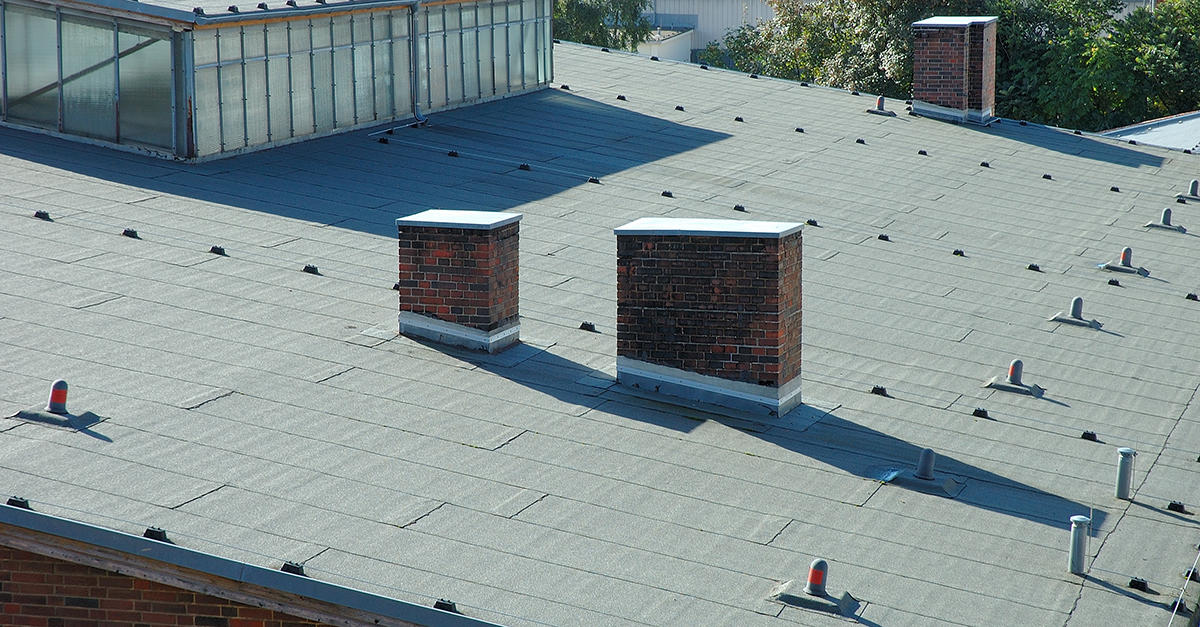
Flat roofs are common in Indianapolis, both in commercial buildings and many residential properties. These structures have specific challenges that require immediate attention. Ignoring flat roof issues can cost property owners thousands of dollars in repairs and may even lead to structural damage.
Common Problems with Flat Roofs in Indianapolis
Flat roofs in Indianapolis face certain problems that can jeopardize their strength:
- Membrane deterioration caused by extreme temperatures
- Water pooling during the heavy rainy seasons
- Puncture damage from debris and severe weather conditions
- Moisture infiltration resulting in damage to the interior
The Impact of Indianapolis Weather on Flat Roofs
The weather in Indianapolis creates ideal conditions for roofs to deteriorate quickly. Here's how:
- Spring storms bring heavy rain that tests the effectiveness of drainage systems.
- Summer heat causes roofing materials to expand and contract.
- Winter freeze-thaw cycles lead to cracks in membranes and create entry points for water.
Why Immediate Action is Important
It's crucial to act quickly when problems arise. Small cracks in the membrane can turn into major leaks within a few weeks. Minor drainage issues can escalate into structural problems during the next storm season. What starts as a $500 repair job can turn into a $15,000 replacement project.
Property owners who promptly address flat roof issues in Indianapolis can protect their investments. Regular maintenance helps avoid emergency repairs, while professional inspections can identify problems before they compromise the integrity of the building.
Don't Delay - Contact an Indy Roofing Company
Time is of the essence. Each day that goes by without action allows problems to worsen. As soon as you notice any signs of trouble, get in touch with a qualified Indy roofing company. Your roof's lifespan depends on quick and professional intervention.
Understanding Flat Roofs in Indianapolis
Flat roofs in Indianapolis properties have unique structural features that set them apart from traditional sloped roofs. These roofs have a slight slope, usually between 1/4 inch to 1/2 inch per foot, creating a nearly flat surface. The low-profile design maximizes interior space and makes maintenance easier compared to steep roofs.
Key structural differences include:
- Drainage patterns - Water flows horizontally across the surface to designated drainage points
- Membrane systems - Single continuous waterproof barriers replace overlapping shingles
- Load distribution - Weight spreads evenly across the entire roof deck
- Thermal expansion - Large surface areas experience significant expansion and contraction
Indianapolis weather conditions create specific challenges for both residential roofing in Indianapolis and commercial roofing in Indianapolis applications. The city's continental climate delivers harsh temperature swings that stress roofing materials throughout the year.
Critical weather impacts affecting flat roof performance:
- Heavy rainfall saturates drainage systems and tests waterproofing integrity
- Snow accumulation adds substantial weight loads during winter months
- Freeze-thaw cycles cause materials to expand and contract repeatedly
- UV radiation degrades membrane surfaces during intense summer heat
- Wind uplift creates suction forces that can compromise membrane adhesion
Temperature fluctuations between -10°F and 90°F place extreme demands on roofing materials. These conditions accelerate wear patterns and create stress points where failures commonly develop. The flat design prevents natural water runoff, making proper drainage systems essential for preventing structural damage.
Indianapolis gutter repair and soffit repair in Indianapolis services become critical components of flat roof maintenance. Water management systems must function flawlessly to prevent pooling and ice dam formation. The best roofers in Indianapolis understand these local climate challenges and design solutions that withstand the region's demanding weather patterns.
Flat roof systems require specialized knowledge of membrane types, drainage requirements, and thermal movement accommodation to perform effectively in Indianapolis conditions.
Common Issues Faced by Indianapolis Flat Roofs
Indianapolis flat roofs face unique challenges that demand immediate attention. Property owners must recognize these problems early to prevent costly structural damage and maintain building integrity.
1. Leaks from Cracked or Damaged Membranes
Membrane cracking occurs through multiple pathways that compromise roof integrity:
- Thermal expansion and contraction - Indianapolis temperature swings create stress points where membranes repeatedly expand and contract
- UV radiation exposure - Constant sun exposure breaks down membrane materials, causing brittleness and surface deterioration
- Physical stress from foot traffic - Regular maintenance activities and equipment installations create weak spots in the membrane
- Age-related deterioration - Materials naturally degrade over time, losing flexibility and protective properties
Leak development follows a predictable pattern once membrane damage begins:
The process starts with microscopic cracks that allow moisture penetration. Water enters these small openings during rain events and freeze-thaw cycles. Indianapolis winters worsen the situation as trapped water expands when frozen, widening existing cracks. Each weather cycle deepens the damage until water reaches the building interior.
Critical warning signs indicate membrane failure requiring immediate attention from roofers Indianapolis Indiana:
- Visible surface cracks - Dark lines or splits across the membrane surface
- Membrane shrinkage - Pulling away from edges, flashing, or penetrations
- Surface blistering - Raised areas indicating moisture infiltration beneath the membrane
- Interior water stains - Discoloration on ceilings or walls below the roof
- Ponding water - Standing water that doesn't drain within 48 hours after rainfall
Professional assessment becomes essential when these signs appear. Commercial roofing companies Indianapolis utilize specialized equipment to detect hidden moisture and assess damage extent. Thermal imaging cameras reveal temperature variations indicating wet insulation or structural damage invisible to the naked eye.
Membrane failure accelerates without prompt intervention. Small cracks expand rapidly during Indianapolis weather extremes. Summer heat causes materials to become brittle while winter cold makes them contract and crack further. Property owners who delay roofing repair Indianapolis often face complete membrane replacement rather than targeted repairs.
Different membrane types exhibit unique failure patterns. EPDM rubber membranes typically crack at seams and penetrations. Modified bitumen systems often develop splits along the surface. TPO membranes frequently fail at welded seams when installation quality is poor.
Understanding these membrane vulnerabilities helps property owners schedule preventive maintenance and respond quickly when problems develop. Early detection and professional repair extend roof lifespan while protecting the building investment.
2. Pooling Water Due to Improper Drainage
Ponding water is one of the most destructive issues affecting flat roofs in Indianapolis. Water accumulates when drainage systems fail to channel moisture away from the roof surface within 48 hours after precipitation. This stagnant water creates a series of problems that commercial roofing companies Indianapolis encounter regularly during inspections.
Primary causes of water pooling include:
- Inadequate roof slope (less than 1/4 inch per foot)
- Blocked or undersized drains and gutters
- Structural settling creating low spots
- Debris accumulation preventing proper water flow
- Failed or improperly installed drainage components
The consequences extend far beyond surface-level concerns. Standing water accelerates membrane deterioration by breaking down protective coatings and seeping into substrate materials. Roofers Indianapolis Indiana document how prolonged exposure weakens structural elements, leading to costly repairs that could have been prevented with proper drainage maintenance.
Structural damage manifests in multiple ways:
- Water infiltration compromises insulation effectiveness, reducing energy efficiency and increasing utility costs.
- The additional weight of pooled water stresses roof decking and support systems.
- Freeze-thaw cycles during Indianapolis winters expand trapped water, creating cracks that allow deeper penetration into building materials.
Roofing repair Indianapolis specialists identify accelerated deterioration patterns around ponding areas. UV rays concentrate through standing water, intensifying heat damage to membrane surfaces. Algae and mold growth flourish in these conditions, creating slip hazards and potential health concerns for building occupants.
Gutter replacement Indianapolis services become necessary when drainage systems cannot handle water volume effectively. Property owners must address these drainage deficiencies immediately to prevent escalating damage costs and maintain structural integrity throughout Indianapolis's challenging weather conditions.
3. Punctures from Debris and Environmental Factors
Debris poses a constant threat to flat roof integrity in Indianapolis. Tree branches represent the most frequent culprit, especially during Indiana's severe thunderstorms and high winds. These branches can pierce through membrane layers, creating immediate entry points for water infiltration.
Hail damage strikes Indianapolis flat roofs with particular severity during spring and summer months. Hailstones ranging from pea-sized to golf ball dimensions create puncture wounds that compromise the entire waterproofing system. The impact force tears through protective coatings and membrane materials, leaving exposed areas vulnerable to moisture penetration.
Sharp objects carried by wind present additional risks:
- Construction debris from nearby projects
- Metal fragments and roofing materials
- Broken glass and plastic materials
- Animal claws from wildlife accessing roof surfaces
Waterproofing integrity suffers immediate compromise when punctures occur. Small holes allow water to penetrate beneath membrane layers, where it spreads laterally across the roof deck. This hidden moisture migration creates extensive damage far beyond the original puncture site.
The cascading effects of puncture damage accelerate roof deterioration:
- Insulation becomes saturated and loses thermal properties
- Structural decking experiences rot and weakening
- Mold growth develops in concealed spaces
- Interior water damage spreads to building contents
Roofing repair Indianapolis specialists identify puncture damage through systematic inspections, focusing on areas where debris typically accumulates. Commercial roofing companies Indianapolis recommend immediate repairs to prevent minor punctures from developing into major structural problems. Professional roofers Indianapolis Indiana use specialized patching materials and techniques to restore waterproofing integrity, ensuring long-term protection against Indianapolis weather conditions.
4. Blistering and Bubbling Caused by Trapped Moisture
Moisture getting underneath flat roof membranes creates a damaging cycle that commercial roofing companies Indianapolis see often. Water vapor gets in through small membrane flaws, nail holes, or seam failures during installation or regular maintenance work. Once this moisture gets trapped, it can't escape through the waterproof barrier above.
Heat from Indianapolis summers makes this trapped moisture expand quickly. The expanding vapor builds up pressure beneath the membrane, pushing it upwards and forming distinctive blisters and bubbles. These raised areas look like circular or oval bumps ranging from the size of a golf ball to large sections covering several square feet.
Roofers Indianapolis Indiana identify several ways moisture can enter:
- Inadequate vapor barriers during initial installation
- Damaged flashing around penetrations
- Poor seam sealing between membrane sections
- Condensation from HVAC equipment or building humidity
The process of blister formation speeds up when temperatures fluctuate. Morning dew and afternoon heat cause continuous expansion-contraction cycles. Each cycle weakens the membrane further, making existing blisters larger and creating new ones.
Blistered membranes lose their protective integrity quickly. The raised areas get more exposure to UV rays and physical stress. Roofing repair Indianapolis specialists say that untreated blisters usually burst within 12-18 months, creating direct entry points for water.
The performance of the roof also deteriorates beyond just the immediate risk of leaks. Blistered sections can't properly stick to the roof deck, which reduces the membrane's ability to withstand wind uplift. The compromised areas also trap more moisture, speeding up the decay of insulation and decking materials underneath.
Indy roofing company professionals recommend taking action right away when blisters appear. Early intervention stops small moisture problems from turning into major structural issues that require a complete roof replacement.
5. Weather-related Wear and Aging Materials
Indianapolis weather creates relentless stress on flat roofing materials through extreme temperature variations and intense UV exposure. Roofing repair Indianapolis specialists frequently encounter deterioration patterns unique to Indiana's climate conditions.
How Sun Exposure Affects Roofing Materials
Sun exposure breaks down roofing membranes at the molecular level. UV radiation causes rubber and modified bitumen materials to become brittle and crack. EPDM membranes lose elasticity after years of direct sunlight, while TPO systems experience chalking and surface degradation. Dark-colored roofing materials absorb excessive heat, reaching temperatures exceeding 160°F during summer months.
The Impact of Freeze-Thaw Cycles on Roofing
Freeze-thaw cycles accelerate material failure through constant expansion and contraction. Water penetrates microscopic cracks during warmer periods, then freezes and expands when temperatures drop. This process repeats dozens of times each winter, widening existing cracks and creating new failure points.
Common Aging Patterns Documented by Commercial Roofing Companies
Commercial roofing companies Indianapolis document specific aging patterns:
- Membrane shrinkage: pulling away from roof edges and penetrations
- Seam separation: at membrane joints and overlaps
- Fastener back-out: from thermal movement stress
- Granule loss: on modified bitumen surfaces
- Oxidation: causing surface cracking and brittleness
The Effects of Temperature Fluctuations on Roofing Systems
Temperature fluctuations between seasons stress roofing systems beyond design limits. Indianapolis experiences temperature swings from -10°F to 95°F, causing materials to expand and contract repeatedly. Metal components develop stress fractures, while adhesives lose bond strength.
Material Selection Recommendations from Residential Roofing Contractors
Residential roofing Indianapolis contractors recommend material selection based on local climate data. Single-ply membranes with UV-resistant formulations perform better than standard materials. White or light-colored surfaces reflect heat, reducing thermal stress on underlying components.
Age-related deterioration accelerates when multiple weather factors combine, requiring proactive replacement before complete system failure occurs.
Effective Solutions for Common Flat Roof Problems in Indianapolis
Indianapolis property owners need immediate action when flat roof problems arise. Delaying repairs leads to increased damage costs and structural issues. The key is to implement specific solutions that address the main causes instead of temporary fixes.
Prompt Leak Repairs Using High-quality Materials
Speed is crucial when dealing with flat roof leaks. Once water starts to penetrate, it can cause extensive damage throughout the building structure. Professional roofing repair Indianapolis services must respond within 24-48 hours of detecting a leak to prevent significant interior damage.
Material choice affects how long repairs last. Regular patching materials do not hold up against the extreme weather conditions in Indianapolis. Instead, use premium membrane patches reinforced with polyester or fiberglass backing for better adhesion and flexibility. These materials can withstand temperature changes from winter lows of -10°F to summer highs above 90°F without cracking or coming apart.
Preparing the surface properly ensures repairs last. Thoroughly clean the damaged area by removing all debris, loose material, and standing water. Use a primer specifically designed for the type of membrane already in place. Different adhesion promoters are needed for EPDM, TPO, and modified bitumen membranes to achieve optimal bonding.
Multi-layer repair systems provide maximum protection:
- Base layer: High-strength membrane patch extending 6 inches beyond damage perimeter
- Reinforcement layer: Fabric mesh embedded in compatible sealant
- Top coat: UV-resistant coating matching existing roof color and properties
Quality control prevents repeated failures. Test repairs by applying water in a controlled manner before considering the job complete. Keep records of where repairs were made and what materials were used for future maintenance reference.
Temporary emergency solutions buy time when permanent repairs have to wait due to weather or material availability issues. Use heavy-duty tarps secured with mechanical fasteners for short-term protection. Avoid using adhesive-only temporary fixes as they can damage membrane surfaces when removed.
Professional assessment identifies underlying causes. The best roofers in Indianapolis look into why leaks happened in the first place. Common reasons include poor installation, inadequate drainage, or structural movement which can all contribute to membrane failure. Make sure to address these root causes during repair work so that similar problems do not occur again.
Warranty protection requires proper documentation. Take photos of damage before and after repairs are done. Keep records of materials used, installation dates, and weather conditions during repair work as this information will be important for warranty claims and insurance purposes.
Cost-effective repair timing balances urgency with weather conditions. Schedule non-emergency repairs during dry periods when materials have enough time to cure properly. Emergency repairs should still go ahead even if there are unfavorable weather conditions but may require additional work once the weather improves.
Ensuring Proper Drainage Systems Are Installed and Maintained
Flat roofs require aggressive drainage solutions to prevent water accumulation. Indianapolis experiences heavy rainfall and snow loads that demand robust drainage infrastructure. Poor drainage creates standing water within 48 hours, leading to membrane deterioration and structural damage.
Critical drainage components include:
- Primary drains positioned at roof low points
- Secondary overflow systems for emergency water removal
- Scuppers and downspouts sized for maximum rainfall capacity
- Tapered insulation systems creating positive drainage slopes
Water pooling accelerates membrane aging and creates ice dam formations during winter months. Professional roofing repair Indianapolis services identify drainage deficiencies through slope analysis and flow testing.
Gutter replacement Indianapolis becomes essential when existing systems cannot handle water volume. Clogged or undersized gutters force water back onto roof surfaces, creating backup scenarios that compromise waterproofing integrity.
Regular maintenance prevents costly failures. Best roofers in Indianapolis recommend quarterly drain inspections and debris removal. Soffit repair Indianapolis addresses ventilation issues that compound moisture problems.
An experienced Indy roofing company evaluates drainage capacity against local precipitation data. They install additional drains when existing systems prove inadequate. Proper drainage extends roof lifespan by eliminating the primary cause of flat roof deterioration - standing water that penetrates membrane systems and damages underlying structures.
Regular Inspections and Maintenance Programs
Establish a systematic inspection schedule to catch problems before they escalate into costly repairs. Roofing companies in Indianapolis recommend bi-annual inspections, typically conducted in spring and fall when weather conditions allow thorough assessment.
Professional inspections should examine:
- Membrane integrity - Check for cracks, tears, or separation at seams
- Drainage components - Verify gutters, downspouts, and roof drains function properly
- Flashing conditions - Inspect around penetrations, edges, and transitions
- Surface debris - Remove accumulated leaves, branches, and other materials
- Structural elements - Assess for sagging or deterioration
Document all findings with photographs and detailed reports. This creates a maintenance history that helps Indy roofing company professionals track deterioration patterns and predict future needs.
Best roofers in Indianapolis emphasize preventive maintenance between formal inspections. Property owners should clear debris monthly, especially after storms. Check for standing water after rainfall events. Address minor issues immediately rather than waiting for scheduled maintenance.
Maintenance programs extend roof lifespan significantly. Regular cleaning prevents membrane degradation from accumulated organic matter. Prompt roofing repair Indianapolis services for small problems prevent water infiltration that leads to structural damage. Gutter replacement Indianapolis services become necessary when drainage components fail inspection criteria, making timely assessment crucial for system integrity.
Choosing Durable Roofing Materials Suited for Commercial and Residential Use
Material selection determines flat roof performance in Indianapolis's challenging climate. Commercial roofing in Indianapolis demands materials that withstand extreme temperature swings, heavy snow loads, and intense summer heat.
EPDM Rubber Membranes
EPDM (Ethylene Propylene Diene Monomer) rubber membranes offer exceptional durability for both residential and commercial applications. This single-ply membrane resists UV damage, ozone exposure, and temperature extremes common in Indiana. Indianapolis commercial roofing companies frequently recommend EPDM for its 20-30 year lifespan and cost-effectiveness.
TPO Membranes
TPO (Thermoplastic Polyolefin) membranes provide superior energy efficiency through reflective white surfaces. These materials reduce cooling costs during Indianapolis's hot summers while maintaining flexibility in cold weather. Best roofers in Indianapolis often specify TPO for buildings requiring ENERGY STAR compliance.
Modified Bitumen Systems
Modified bitumen systems combine traditional asphalt with modern polymer technology. These multi-layer systems excel in Indianapolis's freeze-thaw cycles, offering self-healing properties when minor punctures occur. Indy roofing company professionals appreciate modified bitumen's proven track record in Midwest climates.
Metal Roofing Solutions
Metal roofing Indianapolis solutions include standing seam systems for flat roof applications. Steel and aluminum options provide 40-50 year lifespans with minimal maintenance requirements. These systems integrate seamlessly with gutter replacement Indianapolis projects, creating comprehensive water management solutions.
Material warranties, local building codes, and specific building requirements guide selection decisions. Indianapolis residential roofing projects benefit from materials tested in similar climate conditions.
Working with Professional Roofing Contractors in Indianapolis
Professional flat roof installation and repair require specialized expertise that only experienced contractors have. Property owners in Indianapolis face unique challenges that need contractors who are familiar with local building codes, weather patterns, and how materials perform in Indiana's climate.
Selecting the Right Roofing Company for Flat Roof Services
Verify Licensing and Insurance Coverage
Check contractor licenses through the Indiana Professional Licensing Agency. Confirm active general liability insurance and workers' compensation coverage. Request certificates of insurance directly from the insurance provider to verify authenticity.
Evaluate Experience with Flat Roof Systems
- Commercial roofing contractors Indianapolis should demonstrate extensive experience with TPO, EPDM, and modified bitumen systems
- Request portfolio examples of completed flat roof projects in the Indianapolis area
- Ask for references from recent commercial and residential flat roof installations
- Verify experience with specific membrane types relevant to your project
Assess Local Market Knowledge
Best roofing contractors Indianapolis understand local weather challenges including:
- Heavy snow load requirements per Indianapolis building codes
- Proper insulation specifications for Indiana's temperature extremes
- Drainage solutions for the region's rainfall patterns
- Wind uplift resistance standards for local conditions
Review Quality Certifications and Manufacturer Partnerships
Top contractors maintain certifications from major roofing manufacturers. These partnerships provide access to extended warranties and specialized training on installation techniques. Metal roofing Indianapolis specialists should hold certifications for standing seam and membrane systems.
Examine Warranty Offerings and Service Guarantees
Compare warranty terms between contractors:
- Labor warranty duration and coverage scope
- Material warranty coordination with manufacturers
- Emergency repair response times
- Maintenance program availability
Analyze Cost Structure and Payment Terms
Request detailed written estimates that itemize materials, labor, and disposal costs. Avoid contractors demanding full payment upfront. Reputable best roofing contractors Indianaplois typically require minimal down payments with progress-based payment schedules.
Check Better Business Bureau Ratings and Online Reviews
Research contractor reputation through multiple sources including BBB ratings, Google reviews, and Angie's List profiles. Pay attention to complaint resolution patterns and response times to customer concerns.
Confirm Emergency Service Availability
Indianapolis IN roofing emergencies require immediate attention to prevent extensive water damage. Select contractors offering 24/7 emergency response services with documented response time commitments for urgent leak repairs.
Comprehensive Roofing Services Offered by Local Companies
The best roofing contractors in Indianapolis offer a wide range of services to meet all your flat roof maintenance and repair needs. These commercial roofing contractors in Indianapolis understand the specific requirements of both businesses and homes in the area.
Core Services
Here are some of the main services provided by local roofing companies:
- Emergency leak repairs - 24/7 response for critical water intrusion issues
- Complete membrane replacement - Full system overhauls using EPDM, TPO, or modified bitumen
- Drainage system installation - Custom solutions for proper water management
- Preventive maintenance programs - Scheduled inspections and minor repairs
Multi-Material Expertise
Roofing companies in Indianapolis IN have expertise in working with different types of materials. Metal roofing specialists in Indianapolis handle standing seam installations alongside traditional flat roof systems. Residential roofing teams in Indianapolis address home additions, garages, and porch coverings with low-slope designs.
Large-Scale Project Management
Commercial roofing companies in Indianapolis Indiana are experienced in managing large-scale projects such as:
- Industrial warehouse roofing
- Retail building maintenance
- Office complex installations
- Multi-unit residential properties
Integrated Services
Roofing companies in Indianapolis Indiana also offer complementary services like gutter installation, fascia repair, and insulation upgrades. This comprehensive approach ensures that all components of your roof work together effectively.
Certifications and Compliance
Local contractors have certifications from major manufacturers, allowing them to provide extended warranties on materials and workmanship. Their knowledge of Indianapolis IN roofing codes and permit requirements helps streamline project completion while ensuring compliance with municipal standards.
Additional Considerations for Flat Roof Longevity in Indianapolis
Addressing Related Exterior Components Like Gutters and Soffits
Flat roof performance depends heavily on the entire drainage ecosystem surrounding your building. Indianapolis gutter repair becomes critical when gutters fail to channel water away from flat roof edges effectively. Damaged gutters create water backup that seeps under membrane edges, causing premature deterioration and costly structural damage.
Common gutter issues affecting flat roofs:
- Clogged downspouts forcing water overflow onto roof surfaces
- Separated gutter joints allowing water infiltration behind fascia boards
- Improper gutter slope preventing adequate water flow
- Corroded or damaged gutter sections creating leak points
Soffits play an equally important role in flat roof longevity. These horizontal surfaces beneath roof overhangs require proper ventilation to prevent moisture buildup. Soffit repair Indianapolis specialists address ventilation blockages that trap humid air against roof decking. Blocked soffit vents create condensation problems that weaken roof substrates from below.
Critical soffit maintenance includes:
- Clearing debris from ventilation openings
- Replacing damaged soffit panels that allow pest infiltration
- Sealing gaps between soffit sections and building walls
- Installing proper screening to maintain airflow while blocking insects
Water management extends beyond the roof membrane itself. Fascia boards connecting to flat roof edges must remain structurally sound to support gutter systems properly. Rotted fascia boards compromise gutter attachment points, leading to system failure during heavy rainfall events common in Indianapolis.
Integrated maintenance approach:
- Schedule simultaneous inspections of roof, gutters, and soffits
- Address minor repairs before they cascade into major problems
- Ensure proper coordination between different exterior components
- Maintain clear documentation of all system interactions
Professional Indianapolis gutter repair services understand how gutter performance directly impacts flat roof integrity. They evaluate water flow patterns, identify potential backup points, and recommend system modifications that protect your roof investment.
Soffit ventilation becomes particularly crucial during Indianapolis winters when temperature differentials create condensation risks. Proper airflow prevents ice dam formation at roof edges while maintaining optimal moisture levels in roof assemblies.
Regular inspection of these interconnected systems prevents isolated problems from becoming comprehensive failures. Address gutter alignment issues immediately to prevent water from pooling against roof perimeters. Replace damaged soffit sections before moisture infiltration compromises structural elements.
Seasonal Preparation Tips Specific to Indiana Climate
Indiana's harsh climate demands proactive seasonal maintenance for flat roofs. Spring preparation requires immediate action after winter's freeze-thaw cycles damage roofing materials.
Spring Tasks
- Inspect membrane surfaces for cracks and splits
- Clear debris from drainage systems
- Check flashing around penetrations
- Schedule professional inspections with your Indy roofing company
Summer maintenance focuses on UV protection and thermal expansion issues. High temperatures cause membrane materials to expand and contract, creating stress points.
Fall Tasks
- Remove leaves and organic matter from roof surfaces
- Ensure Indianapolis gutter repair addresses any clogs or damage
- Verify soffit repair Indianapolis services have sealed air gaps
- Test drainage capacity before heavy rains
Winter monitoring requires vigilance during snow accumulation. Ice dams form when gutters fail, creating water backup onto roof surfaces.
Year-round vigilance includes:
- Monthly visual inspections from ground level
- Immediate response to visible ponding water
- Professional maintenance contracts with experienced contractors
- Documentation of all repairs and maintenance activities
Indianapolis gutter repair services become essential during seasonal transitions. Damaged gutters compromise flat roof performance by allowing water infiltration near building foundations. Regular maintenance prevents minor issues from becoming costly structural problems requiring emergency intervention.
FAQs (Frequently Asked Questions)
What are the common issues faced by flat roofs in Indianapolis?
Common issues faced by Indianapolis flat roofs include leaks from cracked or damaged membranes, pooling water due to improper drainage, punctures from debris and environmental factors, blistering and bubbling caused by trapped moisture, and weather-related wear and aging materials.
How does Indianapolis weather impact flat roofs?
Local weather in Indianapolis, including rain, snow, temperature fluctuations, sun exposure, and freeze-thaw cycles, significantly affects flat roofs by causing material deterioration, membrane cracking, trapped moisture issues, and accelerated aging of roofing materials.
What solutions are recommended for leaking flat roofs in Indianapolis?
Prompt leak repairs using high-quality materials are essential for addressing leaks caused by cracked or damaged membranes. Timely intervention helps prevent further damage and extends the lifespan of flat roofs in Indianapolis.
Why is proper drainage important for flat roofs in Indianapolis?
Proper drainage prevents pooling or ponding water on low-slope flat roofs. Pooling water can cause structural damage and accelerate roof deterioration. Installing and maintaining effective drainage systems is critical for roof longevity in Indianapolis.
How can homeowners in Indianapolis maintain their flat roofs effectively?
Regular inspections and maintenance programs conducted by professional roofing contractors help identify early signs of damage such as membrane failure, punctures, or blistering. Routine upkeep ensures timely repairs and prolongs the performance of residential flat roofs.
What should I consider when choosing a roofing company for flat roof services in Indianapolis?
Selecting the right roofing company involves choosing experienced local contractors who offer comprehensive commercial and residential roofing services. Look for companies specializing in flat roof repair and maintenance with proven expertise in Indianapolis' climate challenges.
