Comparing Wood Shake, Slate, and Synthetic Roofing: Which is Best for Indianapolis?
Comparing Wood Shake, Slate, and Synthetic Roofing: Which is Best for Indianapolis?
Comparing Wood Shake, Slate, and Synthetic Roofing: Which is Best for Indianapolis?
Property owners in Indianapolis face critical decisions when selecting roofing materials. The city's diverse architectural landscape accommodates various options, from traditional asphalt shingles to premium materials like cedar, natural stone, and advanced synthetic alternatives.
Climate demands drive material selection. Indianapolis experiences harsh winters, intense summer heat, and unpredictable weather patterns that test roofing systems year-round. Your choice impacts energy costs, maintenance schedules, and long-term property value.
Three premium options stand out among roofing Indianapolis professionals and discerning property owners:
- Wood shake roofing delivers natural beauty and insulation benefits
- Slate roofing provides unmatched durability and fire resistance
- Synthetic roofing combines aesthetic appeal with modern performance
Each material presents distinct advantages and challenges. Installation complexity varies significantly. Maintenance requirements differ dramatically. Cost structures span wide ranges depending on material grade and installation specifications.
Comparing Wood Shake, Slate, and Synthetic Roofing in Indianapolis requires examining performance metrics specific to local conditions. This analysis helps you understand which option aligns with your budget, aesthetic preferences, and long-term maintenance capacity.
Smart property owners consult experienced roofing contractors Indianapolis professionals before making final decisions. Expert roofers Indianapolis Indiana specialists understand local building codes, weather patterns, and material performance data that influence optimal choices for your specific property needs.
Understanding Roofing Needs in Indianapolis
Indianapolis has a continental climate, which means we have hot, humid summers and cold winters. This weather can be challenging for roofing systems. The temperatures can vary greatly between seasons, with summer highs often going above 85°F and winter lows dropping below 20°F. These extreme temperature changes can cause roofing materials to expand and contract repeatedly, leading to potential cracking, warping, and early deterioration.
Rainfall and Snowfall in Indianapolis
On average, Indianapolis gets about 42 inches of rain each year. This includes significant snowfall that can pile up on roofs for long periods. When snow melts and then refreezes at the edges of roofs, it creates ice dams. These ice dams can cause water to back up and seep underneath the roofing materials, causing damage over time.
The Impact of Severe Weather Events
Severe weather events also pose risks to properties in Indianapolis. Thunderstorms can bring heavy rain, hail, and strong winds that may harm or destroy weak roofing systems. While tornadoes are less common, they can create extremely destructive conditions that require sturdy material choices and professional installation.
Key Factors to Consider When Choosing Roofing
When selecting roofing materials for your property in Indianapolis, several critical factors should be taken into account:
- Durability: The main consideration for any roofing investment is how long it will last. Materials should be able to withstand the weather patterns in Indianapolis for many years without needing major repairs or replacement.
- Energy Efficiency: The energy efficiency of your roofing system directly affects your heating and cooling costs throughout the year. Look for materials with good insulation properties and reflective surfaces that can reduce energy consumption during extreme temperature periods.
- Maintenance Requirements: Different roofing materials have different maintenance needs. Some may require annual inspections and treatments, while others need very little upkeep. It's important to factor in these long-term maintenance costs when comparing options.
- Aesthetic Appeal: The appearance of your roof can impact your property's value and how well it fits in with the neighborhood. If design flexibility is important to you, consider synthetic roofing materials that offer a variety of styles while still meeting performance standards.
- Budget Constraints: Your budget will play a significant role in your decision-making process. Be sure to consider both the initial installation costs as well as any ongoing expenses associated with maintaining the roof over its lifespan.
Seeking Professional Advice
To make informed decisions about your roofing needs in Indianapolis, it's advisable to consult with local experts such as roofing companies or contractors who specialize in commercial projects. They can provide valuable insights tailored specifically to our area's climate conditions and building requirements.
Remember: investing time upfront into understanding these factors will pay off later by ensuring you choose a durable yet cost-effective solution for protecting your property from Indiana's ever-changing weather!
1. Wood Shake Roofing in Indianapolis
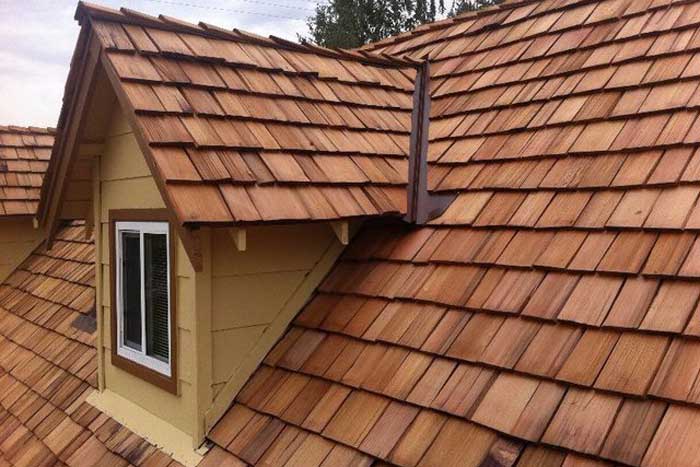
Cedar wood shakes dominate the wood shake roofing Indianapolis market due to their exceptional natural properties. These hand-split wooden shingles deliver superior insulation compared to machine-cut alternatives, making them particularly effective against Indianapolis's temperature fluctuations. Cedar contains natural oils that resist moisture, insects, and decay—critical features for surviving Indiana's humid summers and freeze-thaw cycles.
Natural Beauty Meets Practical Challenges
Wood shake roofing transforms any property with its distinctive rustic charm. Each shake displays unique grain patterns and natural color variations that synthetic materials cannot replicate. The organic texture creates deep shadow lines that add architectural depth to residential structures throughout Indianapolis neighborhoods.
Key advantages include:
- Natural insulation properties reduce energy costs
- Lightweight construction minimizes structural stress
- Environmentally sustainable when sourced responsibly
- Increases property value through premium aesthetic appeal
Significant drawbacks require consideration:
- Regular maintenance prevents rot and insect infiltration
- Fire vulnerability demands protective treatments
- Weather exposure causes gradual color fading
- Moss and algae growth requires periodic cleaning
Maintenance Demands for Indianapolis Climate
Indianapolis residential roofing contractors emphasize the critical maintenance schedule wood shakes require. Annual inspections identify loose or damaged shakes before water penetration occurs. Homeowners must clear debris from roof valleys and gutters quarterly to prevent moisture accumulation.
Professional treatments every 3-5 years protect against fire hazards and extend shake lifespan. Power washing removes moss buildup but requires careful pressure control to avoid wood damage. Replace split or warped shakes immediately to maintain weather protection.
Cost Analysis for Indianapolis Properties
Initial installation costs range:
- Material costs: $350-$500 per square (100 sq ft)
- Labor installation: $200-$350 per square
- Total project cost: $12,000-$25,000 for average home
Long-term expenses include:
- Annual maintenance: $300-$600
- Professional treatments: $1,500-$2,500 every 3-5 years
- Shake replacement: $50-$100 per damaged section
Cedar shakes typically last 20-30 years with proper maintenance, making the cost-per-year reasonable despite higher upfront investment. Comparing Wood Shake options with other materials reveals competitive long-term value when factoring energy savings and property value increases.
Local Indianapolis contractors recommend budgeting 15-20% above base installation costs for unexpected repairs during the first year as shakes settle and adjust to local weather patterns.
2. Slate Roofing in Indianapolis
Slate roofing Indianapolis properties showcase centuries-old craftsmanship that continues to dominate premium construction projects. Natural slate delivers unmatched longevity, with properly installed systems lasting 75-150 years. This exceptional lifespan positions slate as the ultimate investment for property owners seeking permanent roofing solutions.
Durability That Withstands Indianapolis Weather
Indianapolis experiences temperature swings from sub-zero winters to 90°F summers. Slate handles these extremes without cracking, warping, or deteriorating. The material's density prevents moisture absorption, eliminating freeze-thaw damage that destroys lesser materials. Hail storms that devastate asphalt shingles barely scratch quality slate tiles.
Wind resistance reaches impressive levels with slate installations. Properly secured slate withstands winds exceeding 100 mph, protecting structures during severe Midwest storms. The interlocking installation method creates a unified barrier that distributes wind loads across the entire roof system.
Fire Protection and Energy Benefits
Slate provides Class A fire resistance, the highest rating available. This natural stone cannot ignite, spread flames, or produce toxic smoke. Insurance companies often reduce premiums for slate-roofed properties due to this superior fire protection.
The thermal mass of slate creates natural insulation benefits. Thick slate tiles absorb heat during summer days, then release it slowly during cooler evenings. This thermal regulation reduces HVAC demands, cutting energy costs by 10-15% compared to standard roofing materials.
Investment Considerations for Indianapolis Properties
Slate roofing Indianapolis installations require substantial upfront investment. Material costs range from $8-15 per square foot, with premium Welsh slate reaching $20+ per square foot. Installation adds $5-10 per square foot, bringing total costs to $13-25 per square foot.
Specialized installation demands certified slate contractors. These professionals understand proper fastening techniques, flashing details, and structural requirements. Standard roofers lack the expertise needed for successful slate installation, making contractor selection critical.
Structural modifications often accompany slate installations. The 800-1,500 pounds per square weight requires engineered support systems. Roof deck reinforcement, additional framing, and upgraded fasteners increase project complexity and costs.
Commercial and Residential Applications
Historic Indianapolis buildings feature original slate roofs installed over 100 years ago. These installations continue protecting structures with minimal maintenance, proving slate's exceptional value proposition. Modern residential projects choose slate for prestige neighborhoods where architectural authenticity matters.
Commercial properties benefit from slate's low maintenance requirements and insurance advantages. Office buildings, schools, and institutional facilities reduce long-term operating costs through slate's durability and fire resistance properties.
3. Synthetic Roofing Options for Indianapolis Homes and Businesses
Synthetic roofing Indianapolis property owners now have access to advanced materials that replicate the visual appeal of traditional options without their inherent drawbacks. These engineered products utilize polymer composites, recycled plastics, and rubber compounds to create roofing systems that closely match the texture and appearance of cedar shakes or natural slate.
Material Composition and Design
Modern synthetic roofing manufacturers employ sophisticated molding techniques to capture authentic wood grain patterns and slate's natural variations. The materials resist cracking, splitting, and warping that plague traditional wood shakes. Synthetic slate products weigh significantly less than natural stone—typically 2-4 pounds per square foot compared to slate's 8-12 pounds per square foot.
Key synthetic roofing characteristics include:
- Impact resistance rated for severe weather conditions
- UV stabilization preventing color fade and material degradation
- Lightweight construction reducing structural load requirements
- Consistent dimensions eliminating natural material variations
Cost Analysis for Indianapolis Properties
Synthetic roofing delivers substantial savings compared to premium natural materials. Installation costs range from $8-15 per square foot, positioned between asphalt shingles and natural slate. Wood shake installations typically cost $12-18 per square foot, while slate roofing reaches $15-25 per square foot.
The reduced weight eliminates structural reinforcement needs that slate installations often require. Labor costs decrease due to faster installation times and standard roofing techniques. Synthetic materials arrive pre-cut and uniform, reducing waste and installation complexity.
Durability Performance
Synthetic roofing systems carry warranties extending 30-50 years, matching or exceeding natural wood shake lifespans. The materials resist insect damage, rot, and fire—common vulnerabilities in cedar roofing. Class A fire ratings provide insurance benefits and enhanced safety protection.
Indianapolis weather conditions pose minimal challenges for quality synthetic products. Freeze-thaw cycles, hail storms, and temperature fluctuations cause no material degradation when properly installed.
Comparative Analysis: Wood Shake vs Slate vs Synthetic Roofing
Aesthetics: Natural Character vs Modern Replication
- Wood shake delivers authentic rustic charm with unique grain patterns and natural color variations that age gracefully over time.
- Slate provides timeless elegance with its smooth, uniform appearance and rich color palette ranging from gray to purple and green.
- Synthetic materials now replicate both textures convincingly, though discerning eyes may detect subtle differences in depth and authenticity.
Durability and Lifespan Expectations
Material Expected Lifespan Weather Resistance Wood Shake
|
20-40 years
|
Moderate (requires treatment)
|
Slate
|
75-150 years
|
Excellent
|
Synthetic
|
30-50 years
|
Superior
|
Slate dominates longevity metrics, withstanding Indianapolis's harsh winters and summer storms with minimal degradation. Synthetic options resist moisture, UV damage, and temperature fluctuations better than wood while maintaining structural integrity longer than traditional cedar shakes.
Installation Complexity and Labor Costs
Slate installation demands specialized expertise, requiring experienced craftsmen familiar with proper handling techniques and structural reinforcement needs. This specialized knowledge drives labor costs significantly higher. Wood shake installation requires moderate skill levels, while synthetic materials offer the simplest installation process, reducing labor expenses and project timelines.
Maintenance Requirements
- Wood Shake: Annual inspections, periodic cleaning, moss treatment, and replacement of damaged shakes
- Slate: Minimal maintenance beyond occasional tile replacement and gutter cleaning
- Synthetic: Basic cleaning and standard gutter maintenance
Energy Efficiency in Indianapolis Climate
Slate's natural thermal mass provides excellent insulation during temperature swings. Wood shake offers moderate insulation properties but may develop gaps over time. Advanced synthetic materials incorporate energy-efficient designs that reflect heat while maintaining consistent thermal performance.
When seeking roofing repair Indianapolis services, the best roofing companies in Indianapolis emphasize material-specific maintenance approaches. Initial investment costs vary dramatically, with slate commanding premium pricing, wood shake representing mid-range expenses, and synthetic options providing budget-friendly alternatives with competitive long-term value propositions.
Making the Right Choice for Your Property
When it comes to choosing roofing materials in Indianapolis, it's important to consider whether your property is residential or commercial. Each type of property has different needs and priorities.
Considerations for Residential Properties
Homeowners should focus on factors such as:
- Curb appeal: How will the roof look from the street?
- Energy efficiency: Will the roof help reduce heating and cooling costs? For instance, certain roofing materials can significantly improve energy efficiency, leading to lower utility bills.
- Long-term value retention: Will the roof maintain its value over time?
For residential properties, wood shake roofs offer a natural and inviting look that enhances the overall appearance of the home. Slate roofs, on the other hand, provide a timeless elegance that can attract luxury home buyers. If you're looking for a combination of authenticity and low maintenance, synthetic roofing options may be the best choice.
Requirements for Commercial Buildings
Commercial buildings have specific requirements that must be met when selecting roofing materials. These include:
- Durability: The roof should be able to withstand heavy foot traffic and equipment placement.
- Compliance: The materials used must meet local building codes and regulations.
Slate roofs are often preferred for commercial applications due to their fire resistance and structural integrity. Synthetic roofing systems can also be a cost-effective solution for commercial property owners, offering reduced insurance premiums while maintaining a professional appearance.
Impact of Building Size and Structure
The size and structure of your building can greatly influence your choice of roofing material. Here are some key points to consider:
- Residential homes with standard framing can typically support synthetic materials without any modifications.
- Slate roofs require reinforced framing due to their weight, which can add complexity and cost to residential projects.
- Commercial buildings usually have the capacity to accommodate heavier materials like slate.
Importance of Climate Expertise
Indiana's weather patterns can be challenging, so it's crucial to select roofing materials that can withstand these conditions. Local contractors have valuable knowledge about how various materials perform in specific weather scenarios:
- Wood shake expansion during freeze-thaw cycles
- Ice dam formation on slate installations
- Performance of synthetic materials during severe storms
By working with experienced professionals who understand these factors, you can ensure that your roof will stand up against Indiana's unpredictable climate.
Knowledge of Local Regulations
When it comes to roofing projects in Indianapolis, it's essential to comply with local building codes and permit requirements. An experienced Indy roofing company will have a thorough understanding of these regulations and can guide you through the process.
Additionally, they will be aware of any seasonal installation windows that may impact your project timeline. This knowledge is particularly important given the unique challenges faced by properties in Indianapolis, such as tornado-force winds or heavy snow loads.
Choosing the Right Contractor
To ensure a successful roofing installation, it's crucial to hire contractors who have proven experience with your chosen material type. They should also possess the necessary licensing for installations in Indianapolis.
By selecting qualified professionals who are familiar with local requirements and have a track record of delivering quality work, you can have confidence that your roofing project
Finding Reliable Roofing Companies in Indianapolis
Selecting the right contractor determines your roofing project's success. Roofing companies Indiana offers vary significantly in expertise and quality standards.
Verify credentials immediately:
- Check active licensing with Indiana Professional Licensing Agency
- Confirm current insurance coverage including liability and workers' compensation
- Request Better Business Bureau ratings and complaint history
- Examine local references from projects completed within the past two years
Material-specific expertise matters:
- Wood shake specialists should demonstrate cedar treatment knowledge and proper ventilation techniques
- Slate contractors must show experience with natural stone handling and specialized fastening systems
- Synthetic material installers need training certifications from specific manufacturers
Evaluate contractor capabilities:
- Request detailed written estimates breaking down materials, labor, and timeline
- Examine photos of completed projects matching your chosen material
- Ask about warranty coverage for both materials and workmanship
- Confirm availability of emergency repair services
Red flags require immediate attention:
- Door-to-door solicitation following storms
- Demands for full payment upfront
- Estimates significantly below market rates
- Lack of local business address or established presence
Interview multiple contractors:
Schedule consultations with at least three licensed professionals. Compare their material recommendations, installation approaches, and pricing structures. Document each contractor's responses to technical questions about Indianapolis climate challenges, proper installation methods, and long-term maintenance requirements for your selected roofing material.
Maintenance Tips for Longevity of Your Roof in Indianapolis
Different types of roofs require different maintenance approaches. Here's a breakdown of maintenance tips based on the type of roofing material you have:
Wood Shake Roofing
Wood Shake Roofing demands the most rigorous maintenance schedule. Inspect your cedar shakes every six months, checking for split, warped, or missing pieces. Clean moss and debris using a soft brush—never pressure wash, as this damages the wood fibers. Apply wood preservatives annually to prevent rot and insect infiltration.
Slate Roofing
Slate Roofing requires annual inspections focusing on cracked or sliding tiles. Remove debris from valleys and gutters using gentle methods. Replace damaged slate immediately to prevent water penetration. Check flashing around chimneys and vents where most slate roof failures originate.
Synthetic Roofing
Synthetic Roofing needs inspection twice yearly. Look for loose fasteners, cracked panels, or color fading. Clean with mild detergent and water to maintain appearance. Check manufacturer warranties for specific maintenance requirements that preserve coverage.
Critical Gutter Maintenance
Gutters protect all roofing materials from water damage. Clean gutters quarterly to prevent ice dams during Indianapolis winters. Clogged gutters cause water backup that seeps under roofing materials, leading to structural damage.
Professional gutter repair Indianapolis services become essential when you notice:
- Sagging or pulling away from roofline
- Rust spots or holes
- Water stains on exterior walls
- Standing water after storms
Schedule Indianapolis gutter repair before winter arrives. Frozen gutters expand and crack, creating expensive spring repairs. Proper gutter function extends roof life by directing water away from your foundation and preventing ice formation along roof edges.
Document all maintenance activities with photos and dates. This record helps track wear patterns and supports warranty claims when needed.
Conclusion
Choosing the right roofing material requires careful consideration of your specific needs and local conditions. Wood shake offers natural beauty but requires dedicated maintenance. Slate provides unmatched durability with premium costs. Synthetic materials deliver modern performance with traditional aesthetics.
Your property's architectural style, budget constraints, and long-term maintenance capacity should guide your decision. Commercial buildings benefit from slate's longevity and fire resistance. Residential properties often favor wood shake's warmth or synthetic materials' cost-effectiveness.
Work with an experienced Indy roofing company that understands Indianapolis weather patterns and building codes. Local contractors have important knowledge about:
- Proper installation techniques for each material
- Seasonal maintenance requirements
- Warranty considerations specific to Indiana climate
- Permit requirements and inspection protocols
Request detailed estimates from multiple contractors specializing in your preferred material. Verify licensing, insurance coverage, and local references before making commitments.
Quality installation determines your roof's performance regardless of material choice. A properly installed synthetic roof outperforms poorly installed slate every time. Invest in skilled craftsmanship to maximize your roofing investment.
Schedule consultations with trusted professionals who can assess your property's unique requirements. Comparing Wood Shake, Slate, and Synthetic Roofing in Indianapolis becomes straightforward when you have expert guidance tailored to your specific situation and local conditions.
FAQs (Frequently Asked Questions)
What are the main roofing material options available in Indianapolis for homes and businesses?
In Indianapolis, popular roofing materials include wood shake, slate, and synthetic roofing options. Each offers unique benefits suited to the local climate and property needs.
How does the Indianapolis climate affect the choice of roofing materials?
Indianapolis experiences specific weather conditions that impact roofing performance. Factors like durability, energy efficiency, maintenance requirements, aesthetic appeal, and budget must be considered when selecting a roofing material suitable for the local environment.
What are the advantages and disadvantages of wood shake roofing in Indianapolis?
Wood shake roofing provides natural beauty and warmth, making it a favored choice among homeowners in Indianapolis. However, it requires regular maintenance to prevent rot and insect damage. Installation costs vary but are generally moderate compared to other materials.
Why is slate roofing considered a premium option in Indianapolis?
Slate roofs offer timeless appeal and exceptional durability, including fire resistance and insulating properties that enhance energy efficiency. Though they have higher upfront installation costs due to specialized labor, their longevity makes them ideal for residential and commercial buildings in Indianapolis.
What benefits do synthetic roofing materials offer compared to natural wood or slate in Indianapolis?
Synthetic roofing materials mimic the appearance of wood shake or slate while providing enhanced durability and lighter weight. They are more cost-effective than natural counterparts and require less maintenance, making them a practical choice for many Indianapolis properties.
How can I find reliable roofing contractors in Indianapolis for my chosen roofing material?
To find reputable roofing companies in Indianapolis, look for contractors with expertise in your selected material—be it wood shake, slate, or synthetic. Prioritize experienced local professionals who understand Indiana's climate challenges to ensure quality installation and long-term roof performance.
