Indianapolis Roof Ventilation Essentials: Extend Your Roof's Life with Proper Airflow
Indianapolis Roof Ventilation Essentials: Extend Your Roof's Life with Proper Airflow
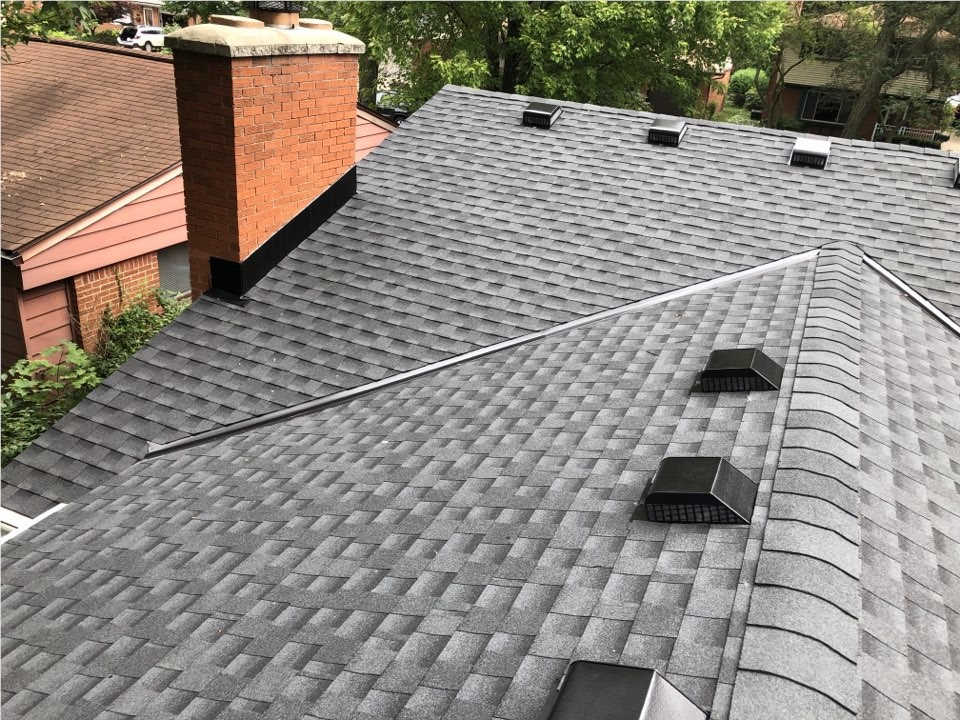
Indianapolis Roof Ventilation Essentials: Extend Your Roof's Life with Proper Airflow
As a homeowner in Indianapolis, it's crucial to understand the importance of roof ventilation. Proper airflow circulation through attic spaces is essential for maintaining the lifespan of your roof. Without adequate ventilation, shingles can become damaged, moisture problems can arise, and you may find yourself facing costly replacements.
The Benefits of Proper Ventilation
By investing in proper airflow systems, you can expect to see significant benefits:
- Extended Roof Life: With effective ventilation in place, you can extend the lifespan of your roof by 15-20 years.
- Reduced Energy Bills: Proper temperature regulation through ventilation can help lower your energy costs.
- Protection from Heat Damage: During hot summers in Indianapolis, effective ventilation prevents heat buildup that can warp shingles.
- Moisture Control: Ventilation plays a crucial role in eliminating ice dams, mold growth, and structural damage during harsh winters.
Comprehensive Ventilation Solutions
When it comes to roof ventilation, Roofing Indianapolis contractors offer a range of services to meet your needs:
- Complete roof replacements and repairs
- Gutter installation and maintenance
- Attic insulation upgrades
- Emergency storm damage restoration
- Commercial roofing systems
Understanding Local Climate Challenges
Roofers Indianapolis Indiana are well aware of the unique climate challenges faced by homeowners in this area. They understand how extreme weather conditions can impact your roof and its ventilation system.
To address these challenges effectively, Roofing companies in Indianapolis Indiana provide specialized assessments that focus on identifying problem areas before they lead to costly damage. These assessments are designed to uncover any existing issues with your roof's ventilation and provide tailored solutions.
Integrating Ventilation Improvements
In order to achieve maximum efficiency and longevity for your roof, it is essential to integrate ventilation improvements with other roofing projects. This approach ensures that all aspects of your roofing system work together harmoniously.
Whether you're working with commercial roofing companies or residential Indy roofing specialists, it's important to prioritize ventilation as the foundation of your roof's durability.
Protecting Your Investment
Investing in proper airflow systems now will pay off in the long run. By taking proactive measures to protect your investment, you can avoid expensive repairs or replacements down the line.
Remember, when it comes to maintaining the health of your roof, prevention is key. Don't wait until problems arise – take action today!
Understanding Roof Ventilation Systems
Roof ventilation is an essential part of a healthy roofing system. It involves creating controlled airflow through your attic space to regulate temperature and moisture levels. The system works by bringing in fresh air through intake vents while pushing out stale, heated air through exhaust vents.
Professional roofing companies in Indianapolis, Indiana understand that effective ventilation relies on basic principles of physics. Cool air enters through lower intake points, usually located along the eaves or soffits. As this air warms up inside the attic, it naturally rises and exits through exhaust vents positioned higher on the roof.
Primary Ventilation System Types
There are two main types of ventilation systems: natural and mechanical.
Natural Ventilation Systems
Natural ventilation systems use thermal dynamics and wind pressure to move air. They include:
- Ridge vents running along roof peaks
- Soffit vents installed under eaves
- Gable vents positioned on exterior walls
- Static roof vents placed on roof surfaces
Mechanical Ventilation Systems
Mechanical ventilation systems use powered components to force air movement. They include:
- Electric exhaust fans
- Solar-powered ventilators
- Turbine vents that spin with wind action
Specialists in roof ventilation in Indianapolis emphasize that proper system design requires calculating your home's specific cubic feet of attic space. The standard recommendation is one square foot of ventilation per 150 square feet of attic floor space, divided evenly between intake and exhaust points.
The Importance of Proper Airflow for a Long-Lasting Roof
How Temperature Affects Your Roof
Keeping your roof at the right temperature is crucial for its longevity. Proper ventilation allows for a constant flow of air that prevents excessive heat buildup in your attic. During hot summers in Indianapolis, roofs that don't have good ventilation can trap heat, causing asphalt shingles to crack and deteriorate much sooner than expected. This damage leads to costly repairs that could have been avoided with proper airflow.
With adequate ventilation, you can maintain a comfortable temperature in your attic, which in turn protects your shingles from:
- Cracking due to extreme heat
- Granule loss from expansion and contraction
- Warping and curling of shingle edges
- Aging of roofing materials
The Hidden Dangers of Moisture
Moisture buildup can wreak havoc on your roof if left unchecked. Experienced contractors in Indianapolis often encounter issues caused by excess moisture. When warm air from inside your home rises into the cold attic space without proper ventilation, condensation forms and saturates insulation and wooden structures.
This leads to wood rot within months when moisture levels become too high. As a result, critical components like roof decking, rafters, and trusses weaken over time, requiring expensive repairs. Mold growth also becomes a concern as it thrives in damp environments, posing health risks and necessitating professional cleanup.
Indianapolis winters bring their own set of challenges with the formation of ice dams. If your roof isn't properly ventilated, heat can escape through the surface and melt snow on top. When this melted snow reaches the gutters and refreezes, it creates ice barriers that force water underneath shingles, causing leaks and structural issues.
The Solution: Balanced Ventilation Systems
To effectively control moisture levels in your roof, it's essential to have balanced ventilation systems in place. This means having both intake vents that bring in dry outdoor air and exhaust vents that remove humid indoor air.
By creating a continuous cycle of airflow, you can prevent condensation buildup and maintain optimal humidity levels throughout changing seasons. This is where the expertise of professional roofers comes into play.
The best roofers in Indianapolis understand the importance of proper ventilation for long-lasting roofs. They know how to design and install ventilation systems that work harmoniously with your existing roofing structure.
The Benefits of Proper Airflow
Investing in quality ventilation not only helps extend the lifespan of your roof but also brings other advantages such as:
- Reduced repair costs: With less damage occurring due to temperature extremes and moisture problems, you'll spend less on fixing issues down the line.
- Lower energy bills: Properly ventilated attics can help regulate indoor temperatures more efficiently, reducing reliance on heating or cooling systems.
- Extended material warranties: Many manufacturers require adequate ventilation for their warranties to be valid. By ensuring proper airflow through your roof, you may qualify for longer warranty periods on roofing materials.
In fact, studies show that roofs with proper ventilation last 30-50% longer compared to those without it. This makes investing in quality ventilation an intelligent choice for homeowners looking to protect their roofs and save money in the long run.
Key Components of an Effective Roof Ventilation System
A properly functioning roof ventilation system requires two critical components working in harmony. Intake vents and exhaust vents create the continuous airflow pattern that protects your Indianapolis home from temperature extremes and moisture damage.
Intake Vents: The Foundation of Airflow
Soffit vents serve as the primary entry point for fresh air into your attic space. These vents, installed along the underside of roof overhangs, allow cool air to enter at the lowest point of the roof structure. Professional roofing contractors Indianapolis typically install continuous soffit vents or individual rectangular vents spaced evenly along the eaves.
Key intake vent types include:
- Continuous soffit vents for maximum airflow
- Individual soffit vents for targeted ventilation
- Under-eave vents for homes without traditional soffits
Exhaust Vents: Completing the Circuit
Ridge vents cap the peak of your roof, creating the exit pathway for heated air. These vents harness natural convection principles, allowing warm air to rise and escape while drawing fresh air through the intake vents below. The best roofing companies in Indianapolis recognize that ridge vents provide the most effective exhaust solution for most residential applications.
Alternative exhaust options include:
- Static roof vents for spot ventilation
- Turbine vents for wind-powered extraction
- Power vents for mechanical assistance
The Critical Balance Equation
Achieving optimal ventilation performance demands precise balance between intake and exhaust capacity. The standard ratio requires equal square footage of intake and exhaust ventilation. Insufficient intake creates negative pressure, reducing exhaust efficiency. Excessive exhaust without adequate intake can pull conditioned air from living spaces, increasing energy costs and compromising Indianapolis Roof Ventilation Essentials: How Proper Airflow Extends Roof Life principles.
Natural vs. Mechanical Ventilation Methods: Which is Right for Your Home?
Natural ventilation systems rely on physics to move air through your attic space. Wind pressure and thermal buoyancy drive air circulation without requiring electricity or moving parts. These systems use strategically placed intake vents at the eaves and exhaust vents at the ridge to create continuous airflow.
Natural Ventilation Advantages:
- Zero operating costs - no electricity required
- Silent operation - no noise from fans or motors
- Minimal maintenance - fewer components to service or replace
- Long lifespan - can last decades without replacement
- Weather-resistant - operates effectively in all conditions
Natural Ventilation Limitations:
- Climate dependent - less effective during calm weather conditions
- Slower air exchange rates compared to mechanical systems
- Limited control over ventilation intensity
Mechanical ventilation systems use powered exhaust fans to actively pull air from attic spaces. These systems provide consistent airflow regardless of weather conditions and can move larger volumes of air more quickly than natural methods.
Mechanical Ventilation Benefits:
- Consistent performance in all weather conditions
- Higher air exchange rates for rapid temperature control
- Precise control over ventilation timing and intensity
- Effective in challenging roof designs where natural flow is restricted
Mechanical System Drawbacks:
- Ongoing electricity costs increase monthly utility bills
- Noise generation from fan operation
- Regular maintenance requirements for motors and moving parts
- Potential failure points that can leave your roof unprotected
Energy efficiency considerations
Energy efficiency considerations play a crucial role in system selection. Natural systems consume zero energy while providing adequate ventilation for most Indianapolis homes. Mechanical systems consume electricity but can reduce HVAC loads during extreme temperatures.
Experienced commercial roofing contractors Indianapolis recommend natural systems for standard residential applications. However, complex roof designs or extreme climate conditions may require mechanical assistance. Consult with a qualified Indy roofing company to determine which approach best suits your specific home configuration and local climate demands.
Seasonal Advantages of Maintaining Proper Roof Ventilation in Indianapolis
Indianapolis homeowners face distinct seasonal challenges that make proper roof ventilation critical year-round. The city's climate demands strategic airflow management to protect both commercial roofing Indianapolis properties and residential roofing Indianapolis installations.
Summer Heat Protection
Hot Indianapolis summers create extreme attic temperatures that can reach 150°F without adequate ventilation. Effective airflow systems combat this heat buildup through:
- Continuous air circulation that removes superheated air before it damages shingles
- Temperature regulation that prevents asphalt shingles from becoming brittle and cracking
- Reduced cooling costs by preventing heat transfer into living spaces below
Attics with proper ventilation maintain temperatures closer to outdoor ambient levels, extending shingle life by preventing thermal shock and premature aging.
Winter Ice Dam Prevention
Indianapolis winters bring snow, ice, and temperature fluctuations that create perfect conditions for ice dams. Consistent attic temperatures through proper ventilation eliminate the freeze-thaw cycles that cause these destructive formations.
Key winter benefits include:
- Uniform roof surface temperatures that prevent snow melting and refreezing
- Elimination of warm spots that create ice dam formation zones
- Protection of gutters, fascia boards, and interior spaces from water damage
Balanced airflow maintains attic temperatures within 10-15 degrees of outside air, preventing the temperature differentials that trigger ice dam development.
Year-Round Energy Efficiency
Proper ventilation systems reduce HVAC workload during both heating and cooling seasons. Air conditioning units work less to combat superheated attics in summer, while heating systems maintain efficiency when attic temperatures remain stable during winter months. This consistent performance translates to measurable utility savings and extended HVAC equipment life.
Consequences of Neglecting Roof Ventilation Maintenance
Poor ventilation creates a series of problems that attack your roof from multiple angles. Moisture accumulation becomes the primary enemy, trapping humid air in attic spaces where it condenses on cold surfaces. This trapped moisture feeds mold colonies that spread rapidly through insulation and wooden structural components.
Structural damage accelerates when moisture penetrates roof decking and support beams. Wood rot weakens the foundation of your entire roofing system, creating dangerous conditions that require extensive repairs. The combination of heat and humidity warps shingles, causing them to crack, curl, and lose protective granules prematurely.
Energy costs spiral upward when inadequate airflow forces HVAC systems to work harder. Your air conditioning unit struggles against superheated attic temperatures that can exceed 150°F during Indianapolis summers. Winter brings equally expensive challenges as ice dams form when warm air melts snow unevenly across your roof surface.
Critical warning signs include:
- Dark stains on ceiling surfaces
- Musty odors in upper floors
- Ice formations along roof edges
- Unexplained spikes in utility bills
- Visible mold growth in attic spaces
These ventilation failures often coincide with other roofing system breakdowns. Clogged gutters compound moisture problems, making gutter replacement Indianapolis services essential when addressing comprehensive ventilation issues. The interconnected nature of these systems means neglecting one component compromises the entire roof structure, turning minor maintenance into major reconstruction projects.
Choosing the Right Roofing Professionals for Your Ventilation Needs in Indianapolis
Finding the best roofers in Indianapolis requires careful evaluation of their ventilation expertise and local climate knowledge. Indianapolis experiences extreme temperature fluctuations, from sweltering summers to harsh winters with significant snowfall. Your chosen contractor must understand these conditions.
Essential qualifications to verify:
- Local experience - Seek contractors with at least 5 years serving Indianapolis residential roofing projects
- Ventilation specialization - Confirm they install both intake and exhaust systems, not just basic roof repairs
- Climate expertise - Ask about their approach to preventing ice dams and managing humidity levels
- Licensing and insurance - Verify current Indiana state licensing and comprehensive liability coverage
Questions to ask potential contractors:
- How do you calculate proper ventilation ratios for Indianapolis homes?
- What ventilation solutions work best for our local weather patterns?
- Can you provide references from recent ventilation projects in the area?
The best roofing contractors Indianapolis offers will conduct thorough attic inspections before recommending solutions. They assess existing airflow patterns, measure attic square footage, and identify problem areas causing ventilation failures.
Red flags to avoid:
- Contractors who skip attic inspections
- Companies offering only one ventilation solution
- Estimates significantly below market rates
- Lack of specific Indianapolis project references
Metal roofing Indianapolis specialists often excel at ventilation systems since metal roofs require precise airflow management. These contractors understand how different roofing materials affect ventilation requirements.
Request detailed written estimates from multiple Indy roofing company options. Compare their ventilation approaches, material specifications, and warranty terms. The right contractor will explain why specific vent types suit your home's architecture and Indianapolis climate conditions.
Integrating Roof Ventilation with Other Essential Roofing Services
Smart homeowners maximize their investment by bundling ventilation projects with complementary roofing services. This strategic approach reduces labor costs and ensures comprehensive system compatibility across all roofing components.
Roof Replacement Coordination
Schedule ventilation upgrades during roof replacement projects. New shingles provide the perfect opportunity to install ridge vents without compromising existing materials. Metal roofing Indianapolis installations particularly benefit from integrated ventilation planning, as metal systems require specific vent types and placement strategies.
Gutter System Integration
Coordinate soffit vent installation with gutter repair Indianapolis services. Damaged gutters often indicate soffit problems that affect intake ventilation. Professional Indianapolis gutter repair teams can assess both systems simultaneously, identifying blockages or structural issues that compromise airflow.
Combined Service Benefits
- Reduced contractor mobilization costs
- Unified warranty coverage across systems
- Streamlined project timeline
- Enhanced system performance through proper integration
Timing Considerations
Plan ventilation work during spring maintenance seasons when contractors can address multiple systems efficiently. Combine attic fan installations with gutter cleaning services to ensure unobstructed airflow paths.
Quality Assurance
Select contractors who offer comprehensive roofing services rather than single-specialty providers. Integrated service providers understand how ventilation systems interact with roofing materials, gutters, and structural components, ensuring optimal long-term performance.
Maintenance Tips to Ensure Long-lasting Performance from Your Roof Ventilation System
Regular maintenance keeps your roof ventilation system operating at peak efficiency. The best roofing contractors Indianapolis recommend establishing a routine inspection schedule to prevent costly repairs and system failures.
Essential Monthly Checks
- Clear debris from intake vents - Remove leaves, twigs, and accumulated dirt from soffit vents
- Inspect exhaust vents - Check ridge vents and roof-mounted exhausts for blockages
- Examine vent screens - Clean or replace damaged screens that prevent pest entry
- Monitor attic airflow - Feel for consistent air movement during temperature changes
Seasonal Maintenance Tasks
Spring cleaning requires thorough inspection after winter storms. Check for ice damage, loose vent covers, and accumulated snow debris. Summer preparation involves ensuring vents remain unobstructed by growing vegetation or nesting animals.
Fall maintenance focuses on removing leaf buildup before winter arrives. Clean gutters connected to ventilation systems and secure any loose vent components. Winter monitoring means watching for ice dam formation and ensuring vents stay clear of snow accumulation.
Professional Inspection Integration
Schedule annual inspections with qualified roofers Indianapolis Indiana who understand local climate challenges. These professionals identify issues homeowners might miss, including damaged vent housings, inadequate airflow patterns, and structural problems affecting ventilation performance.
Warning Signs Requiring Immediate Action
Watch for condensation in attic spaces, unusual temperature variations, or visible mold growth. These indicators suggest ventilation system problems requiring prompt attention. Document any changes in energy bills, as increased heating or cooling costs often signal compromised airflow efficiency.
Proper maintenance extends system lifespan while protecting your entire roofing investment through consistent practices.
Conclusion
Proper roof ventilation is your most critical defense against premature roof failure and escalating energy costs. The investment you make today in quality ventilation systems will pay off for decades through extended roof life and enhanced indoor comfort.
Indianapolis IN roofing needs to address climate-specific challenges. Your roof faces extreme temperature changes, heavy snow loads, and intense summer heat. A well-designed ventilation system tackles each of these threats directly.
Act now to protect your investment. Contact the best roofing companies in Indianapolis to assess your current ventilation setup. These professionals understand local building codes and climate requirements that generic solutions cannot address.
Your home deserves the protection that comes from Indianapolis Roof Ventilation Essentials: How Proper Airflow Extends Roof Life. The cost of proper ventilation is much less than the cost of premature roof replacement, structural repairs, or ongoing energy waste.
Schedule your ventilation assessment today. Your roof's longevity depends on the decisions you make right now.
FAQs (Frequently Asked Questions)
Why is proper roof ventilation essential for homeowners in Indianapolis?
Proper roof ventilation in Indianapolis is crucial as it extends the life of your roof by regulating attic temperature and moisture levels. This prevents shingle deterioration, mold growth, wood rot, and ice dams during cold winters, ultimately enhancing overall home comfort.
What are the key components of an effective roof ventilation system in Indianapolis?
An effective roof ventilation system includes intake vents like soffit vents and exhaust vents such as ridge vents. Balancing these intake and exhaust points ensures optimal airflow, which is vital for maintaining a healthy roofing system and extending its lifespan.
How do natural and mechanical ventilation methods compare for Indianapolis homes?
Natural ventilation methods, including soffit and ridge vents, rely on passive airflow and are energy-efficient. Mechanical systems like powered attic fans actively circulate air but may consume more energy. Choosing the right method depends on your home's specific needs and energy considerations.
What seasonal benefits does proper roof ventilation provide in Indianapolis?
During hot summers, effective roof ventilation cools attics, protecting shingles from heat damage and reducing cooling costs. In winter, consistent attic temperatures prevent ice dams formation, safeguarding your roof structure against cold-weather damage.
What risks arise from neglecting roof ventilation maintenance in Indianapolis?
Neglecting roof ventilation can lead to increased mold growth, structural damage due to moisture buildup, wood rot, and higher energy bills caused by inefficient heating and cooling systems. Regular maintenance is essential to avoid these costly issues.
How can homeowners choose the right roofing professionals for ventilation needs in Indianapolis?
Homeowners should select experienced local roofing contractors familiar with Indianapolis climate-specific requirements. Look for reputable companies offering comprehensive services like residential roofing, metal roofing, and gutter repairs to ensure integrated solutions for optimal roof ventilation.
