Does Insurance Cover Winter Roof Damage?
Does Insurance Cover Winter Roof Damage?
Does Insurance Cover Winter Roof Damage?
Winter is when roofs get exposed.
Not in a dramatic way. Just in that slow, annoying way where one night is a deep freeze, the next day is sunny, then it dumps heavy snow, then rain sneaks in, then everything refreezes. And your roof is sitting there like, sure, I will handle all of that… until it doesn’t.
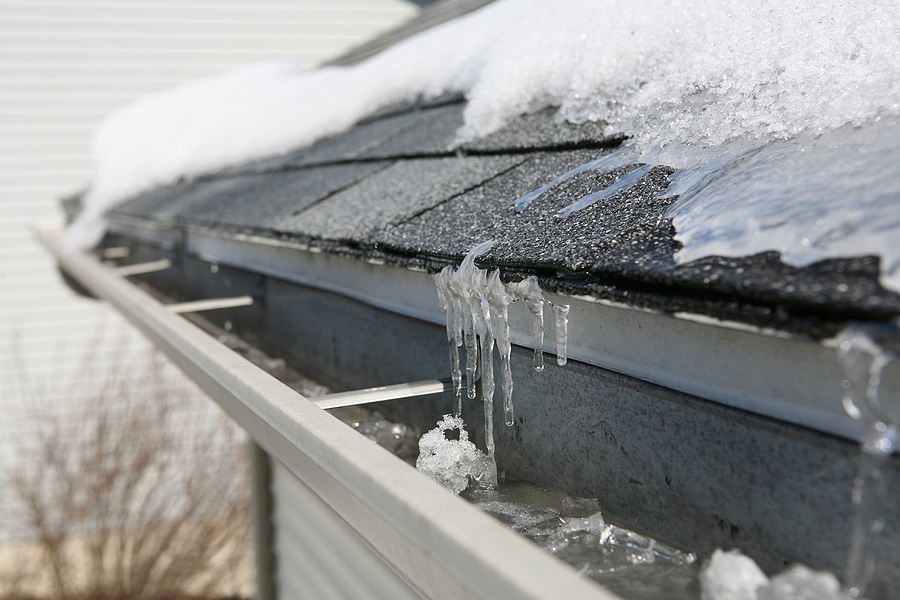
Then you notice a brown stain on the ceiling. Or a drip behind a wall. Or shingles in the yard after a wind storm. Or your gutters are basically a solid ice sculpture.
And the question hits fast. Does insurance cover this? Or are you about to pay for the whole thing yourself?
This guide is meant to help you answer that. Not with vague stuff, but with the real patterns of what most homeowners insurance policies cover for winter roof damage in 2026, what they deny, and what you can do right now so your claim doesn’t get wrecked by a technicality.
I’m not your insurer and I can’t see your policy, obviously. But I can walk you through how these claims usually get evaluated, and what details matter.
The short version (because you probably want it first)
Homeowners insurance usually does cover winter roof damage if it’s caused by a sudden, accidental covered peril like wind, hail, weight of ice and snow, a falling tree limb, or ice dam related leaking (sometimes, with conditions).
It usually does not cover winter roof issues that are really just maintenance problems like old shingles wearing out, a roof that was already failing, long term leaking, rot, mold, or damage that happened because you didn’t take reasonable steps to prevent more damage.
That is the whole fight in one sentence.
Was it sudden and accidental? Or was it inevitable and neglected?
If you're facing such issues with your roof during this winter season in Indianapolis and need professional help to assess the damage or make repairs, consider reaching out to Honest Abe Roofing, who can provide expert guidance and services tailored to your needs. Everything below is basically how to prove the first and avoid getting stuck with the second.
What “winter roof damage” actually includes (and why that matters)
Insurance doesn’t have a checkbox for “winter.” It has perils and exclusions.
So you have to translate winter problems into claim language. Most winter roof claims fall into a few buckets:
- Wind ripped off shingles or flashing during a storm
- Heavy snow or ice caused a partial collapse or structural sag
- Ice dams caused water to back up and leak into the home
- A tree limb fell during snow load or wind and punched the roof
- Freeze thaw cycles caused cracking that leads to leaks
- Gutters and downspouts froze, water overflowed, interior damage followed
Your insurer is going to look at the proximate cause. Meaning, what actually caused the damage. And whether that cause is covered.
How homeowners insurance decides if your winter roof damage is covered
Most policies work like this:
- Your roof (the structure) is covered for certain perils, up to limits, minus your deductible.
- Your personal property inside the home might be covered if water got in and damaged stuff.
- The interior damage (drywall, insulation, flooring) is sometimes treated differently than the roof itself depending on cause and exclusions.
- You have duties as the homeowner. You have to mitigate further damage, document it, and report it within a reasonable timeframe.
And then, the big fork in the road.
Covered: sudden event.
Not covered: wear and tear, deterioration, faulty maintenance, pre existing damage, gradual leaking.
Even if winter triggered the leak, the insurer may argue the roof was already failing.
So the claim becomes a story. A timeline. A set of photos. A weather report. An inspection. Receipts. Maybe contractor notes. Maybe a cause and origin report if it gets serious.
It's also important to understand that not all winter-related damages are automatically covered by your insurance policy. For instance, while heavy snow or ice causing structural issues might be covered under certain circumstances, snow, ice and frozen pipes can sometimes fall into a gray area depending on your specific policy terms and conditions.
Common covered causes of winter roof damage (what usually gets approved)
Coverage depends on whether your policy is named perils or open perils, actual cash value or replacement cost, endorsements, your state. But these are the common “yes, usually” scenarios.
1. Wind storm damage (shingles missing, lifted, creased)
If a winter storm rips shingles off your roof, or wind driven debris damages it, that is commonly covered under windstorm peril.
What helps your claim here:
- Photos of shingles missing right after the storm
- A clear storm date and weather records (wind gusts)
- No signs of long term roof failure in that same area
What can complicate it:
- Old brittle shingles that crack because they were at end of life
- Multiple repairs over the years, patchwork roof, poor installation
- Prior hail or wind damage never repaired
2. Weight of ice, snow, or sleet (collapse, sagging, broken rafters)
Many policies include coverage for damage caused by the weight of ice, snow, or sleet. This is one of the most straightforward winter perils when it’s dramatic enough.
Examples that often get covered:
- Part of the roof deck collapsed after extreme snow load
- A garage roof caves in
- Trusses fail under weight
But if the insurer can show structural weakness existed, they may push back.
So if you have a sagging roof that’s been sagging for years and winter just made it worse, expect friction.
3. Falling objects (trees, limbs, ice chunks)
If a tree limb falls in a storm and damages the roof, it is typically covered. The same applies if a heavy chunk of ice falls from a higher roof section and damages a lower roof area. If it is sudden, accidental, and physical damage, insurers usually treat that as a covered peril.
Important detail: even if the tree was old or leaning, the damage can still be covered. However, liability and negligence arguments sometimes arise if it was clearly a known hazard you ignored.
4. Hail (yes, winter hail happens)
Hail damage is typically covered, but it gets messy because hail claims are heavily inspected and debated. Some insurers also have separate hail deductibles in certain states or high-risk areas.
If you suspect hail damage, document it early. Get an inspection from a reputable roofer. Don’t wait until spring and call it “a winter hail event” with no timeline; that's when adjusters get skeptical.
5. Sudden water intrusion from a covered roof opening
A key phrase you will hear in claims is “a covered opening.”
If wind tears off shingles and water enters, interior water damage is typically covered because the opening was caused by a covered peril. However, if water enters because your roof was worn out and it finally let go, that is where it often gets denied.
For more information on identifying whether your roof has water damage, check out this helpful guide on how to tell if your roof has water damage.
Ice dams: covered or not covered (the most confusing winter roof issue)
Ice dams are the main reason people get blindsided.
The damage feels sudden; you see water pouring in and ice built up like a wall. It is clearly winter related, leading to the assumption that insurance will cover it.
Sometimes they do cover it, sometimes they don’t. Sometimes they cover the interior but not the roof. Other times they cover the tear-out but not the upgrades needed to prevent future occurrences.
Here is the typical logic insurers use:
- The water damage to the interior might be covered if the policy covers accidental discharge or seepage resulting from ice damming.
- The roof damage might be covered if the ice dam caused a covered peril event, like weight of ice causing physical damage.
- The insurer may deny coverage if they argue the ice dam happened because of maintenance and ventilation issues or poor insulation—meaning these were preventable issues.
So what can you do if you have an ice dam claim?
What strengthens an ice dam claim
- You can point to an extreme weather event and a specific timeframe
- You have photos of ice buildup and where water entered
- You can show you took reasonable steps, like safe snow removal or hiring a pro once you noticed an issue
- Your roof is not ancient and visibly failing
What weakens it
- Prior leaks in the same area
- Evidence of long term moisture, rot, mold, staining
- No attic insulation or poor ventilation and it has been that way for years
- You waited too long to report it and damage spread
Also. Some policies include specific exclusions or limitations around water that backs up, seeps, or leaks over time. Ice dam water can get categorized in ways that trigger those exclusions.
So, read your policy language around:
- Water damage exclusions
- “Repeated seepage or leakage” time limits (some use 14 days as a threshold)
- Ordinance or law coverage (for code upgrades)
- Roof surface endorsements
- Cosmetic damage limitations (more common for hail, but still relevant)
What is usually not covered (and why winter does not magically change that)
This is the part nobody likes. But it is where most denied winter roof claims live.
1. Wear and tear, deterioration, and age
If your roof is old and failing, winter just reveals it. Insurance usually won’t pay to replace an aged roof because it finally started leaking during snow season.
They may say:
- shingles are brittle due to age
- granule loss indicates end of life
- flashing was deteriorated
- underlayment was compromised over time
And then deny. Or partially approve interior damage only if they find a covered opening. Which is rare if the “opening” is just bad roof condition.
2. Improper installation or defective workmanship
If the roof was installed wrong, insurance generally treats that as a construction defect. Not a covered peril.
But. If faulty workmanship led to a failure and then a covered peril causes further damage, some policies may cover the resulting damage but not the cost to fix the faulty work itself. The wording matters a lot here.
3. Long term leaks and slow rot
If you have been ignoring a small leak for months, and now winter made it worse, that is usually a denial.
Insurers love phrases like:
- “ongoing seepage”
- “hidden repeated leakage”
- “lack of maintenance”
So the moment you see a stain, even a small one, document it and address it. Waiting makes it look like neglect.
4. Mold (often limited)
Mold coverage varies a lot and is often capped. Some policies exclude it unless it results from a covered peril and you took prompt action. Even then, limits can be low relative to remediation costs.
5. Ice dam prevention improvements
Insurance may pay to repair the damaged area. But it usually will not pay to re design your ventilation, add insulation, install heated cables, replace all gutters, upgrade to premium underlayment across the entire roof, and so on. Those are seen as improvements.
Sometimes you can get some of this covered under code upgrade coverage if local code requires it. That depends on your ordinance or law endorsement and your jurisdiction.
Actual cash value vs replacement cost (this changes what you get paid)
Even if your claim is covered, the payout can be wildly different based on how your roof is insured.
Replacement cost value (RCV)
This typically means the insurer pays the cost to repair or replace with materials of like kind and quality, minus deductible. Often you receive an initial payment and then the recoverable depreciation after work is completed and you submit proof.
Actual cash value (ACV)
This usually means depreciation gets subtracted. Older roof. Lower payout. Sometimes painfully low.
In 2026, a lot of insurers have pushed roof coverage toward ACV or percentage based deductibles in certain regions, especially for hail and wind. So even a covered claim can still leave you paying a lot.
Look in your policy for:
- Roof settlement type (ACV vs RCV)
- Separate wind or hail deductible
- Percentage deductibles based on dwelling limit
- Roof surfacing endorsements
Deductibles in winter claims: what homeowners forget to calculate
People hear “insurance will cover it” and think they will pay a few hundred dollars.
Then they realize the deductible is $2,500. Or 1 percent of the dwelling limit. Or there is a separate wind deductible. Or the claim is covered but the payout is ACV and doesn’t reach deductible anyway.
Before you file, do a quick reality check:
- What is your deductible
- Is there a separate wind or hail deductible
- Is your roof ACV
- Is the damage likely over deductible
Filing a claim that goes nowhere can still sit on your record in many underwriting systems. It can matter later. Not always, but enough that you should be intentional.
What to do immediately if you suspect winter roof damage (so the claim doesn’t fall apart)
This is the part that saves people.
1. Stop the water, safely
If water is coming in, your first job is mitigation. Put buckets down. Move furniture. Use tarps if a professional can do it safely. Call an emergency roofer if needed.
Insurance expects reasonable steps to prevent further damage. They do not expect you to climb onto an icy roof at night. So don’t.
2. Document everything, before you clean it up
- Photos and video of the leak, ceiling stains, wet insulation if visible
- Photos of ice dams, snow load, downed branches
- Date and time notes
- Weather screenshots (local station, storm alerts)
3. Keep receipts
If you pay for emergency tarping, drying, a hotel, dehumidifiers, keep receipts. Some of these costs can be covered under loss of use or mitigation coverage depending on your policy.
4. Call your insurer and ask how they want it handled
You can usually start by asking questions without formally filing. Depends on the carrier and agent. But you can at least clarify deductibles and whether they need specific documentation.
5. Get a reputable roofer inspection
Be careful here. After storms, you get the whole storm chaser ecosystem. Some are fine. Some are not.
You want:
- Photos, measurements, and a written assessment
- A clear explanation of cause
- An estimate that breaks out line items
- Someone who will show up if the adjuster has questions
Also, don’t sign anything you don’t understand. Especially assignment of benefits agreements. In some states this is common, in others it is a mess.
Will insurance pay for a full roof replacement or just a repair
This depends on three things:
- Extent of damage
- Matching rules in your state and policy, which can significantly affect the outcome of your claim, as detailed here
- Whether the roof is repairable per manufacturer and code
Sometimes a small area is damaged but shingles are discontinued. Or the color mismatch is severe. Some states have stronger “reasonably uniform appearance” requirements. Some policies have matching limitations.
Adjusters often try for repair. Roofers often argue replacement. The outcome depends on documentation, local law, and policy wording.
If your claim gets denied, what to do next
Denials happen. Sometimes fairly. Sometimes because the documentation was weak. Sometimes because adjusters miss something.
If you get denied:
- Ask for the denial letter in writing with specific policy language cited
- Ask for photos and the adjuster report
- Get an independent roofer or building envelope professional to write a cause and origin opinion
- If you disagree, follow the appeal process and provide your evidence
- You can ask about appraisal if your policy has an appraisal clause (usually for disputes over amount, not coverage)
- If it is large and you feel stuck, consult a qualified attorney in your state who handles first party property claims
I’m not telling you to go nuclear. Just saying, you have options besides accepting a vague no.
How to reduce the chance of winter roof damage in the first place (and make coverage easier)
This sounds boring until you have a leak. Then it becomes your whole personality for two weeks.
A few practical moves:
- Clear gutters in the fall so meltwater can drain
- Improve attic insulation and ventilation to reduce ice dam risk
- Fix small flashing issues immediately, before freeze thaw cycles exploit them
- Trim limbs that hang over the roof
- If you get extreme snow loads, consider professional snow removal when safe and recommended
- Keep records of roof maintenance and repairs
Maintenance records help because they counter the “neglect” argument. Even a simple invoice from a roofer inspection last year can make your claim cleaner.
FAQ: Does Insurance Cover Winter Roof Damage?
Does homeowners insurance cover roof leaks caused by snow?
Sometimes. If the leak is caused by a covered peril like wind damage creating an opening, or ice and snow load causing physical damage. If the leak is due to an old worn out roof, usually no.
Are ice dams covered by homeowners insurance?
Often the resulting interior water damage may be covered, but it depends on policy wording and whether the insurer argues the ice dam was caused by poor maintenance, ventilation, or long term conditions. Roof upgrades to prevent future ice dams are usually not covered.
Will insurance pay for roof replacement after a winter storm?
If a covered peril caused enough damage that replacement is justified, yes. However, some claims are settled as repairs only. Matching rules, code requirements, and shingle availability can affect whether replacement is approved.
Does insurance cover a roof collapse from heavy snow?
Many policies cover collapse or damage caused by the weight of ice, snow, or sleet. Coverage can be denied if the insurer believes the structure was already compromised due to deterioration or construction defects.
What if my roof was already old and winter finished it off?
Insurance usually does not cover wear and tear or deterioration. Winter exposure does not turn an aging roof into a covered event. In many cases, the claim will be denied or only limited interior damage might be considered if there was a covered opening.
Should I file a claim for minor winter roof damage?
Maybe, maybe not. Check your deductible, whether your roof is ACV, and whether the repair cost clearly exceeds the deductible. Filing small claims that don’t pay out can still have underwriting consequences later.
How long do I have to report winter roof damage?
Policies say “prompt” notice, and some states or carriers have specific expectations about what constitutes promptness according to Ohio's administrative code. Report as soon as you reasonably can, especially if there is active leaking. Waiting weeks or months can lead to denial based on delayed reporting or additional damage.
Will insurance cover water damage to my ceiling from a roof leak?
If the leak is caused by a covered peril, usually yes. If the leak is from wear and tear or long term seepage, usually no. Document the cause and timeline as clearly as possible.
Does insurance cover emergency tarping or temporary repairs?
Often yes, as part of reasonable mitigation, but keep receipts and confirm with your insurer. Do not authorize major permanent work until the insurer has had a chance to inspect unless you are told otherwise.
Can my insurance cancel me after a winter roof claim?
Carriers generally can choose not to renew policies based on claims history and risk factors, subject to state rules. One claim does not guarantee non renewal, but multiple claims or severe roof risk can increase the chances. Always weigh the cost of repair vs deductible and claim history impact.
