Indiana Roof Lifespan: Pro Tips + Indy Contractors
Indiana Roof Lifespan: Pro Tips + Indy Contractors
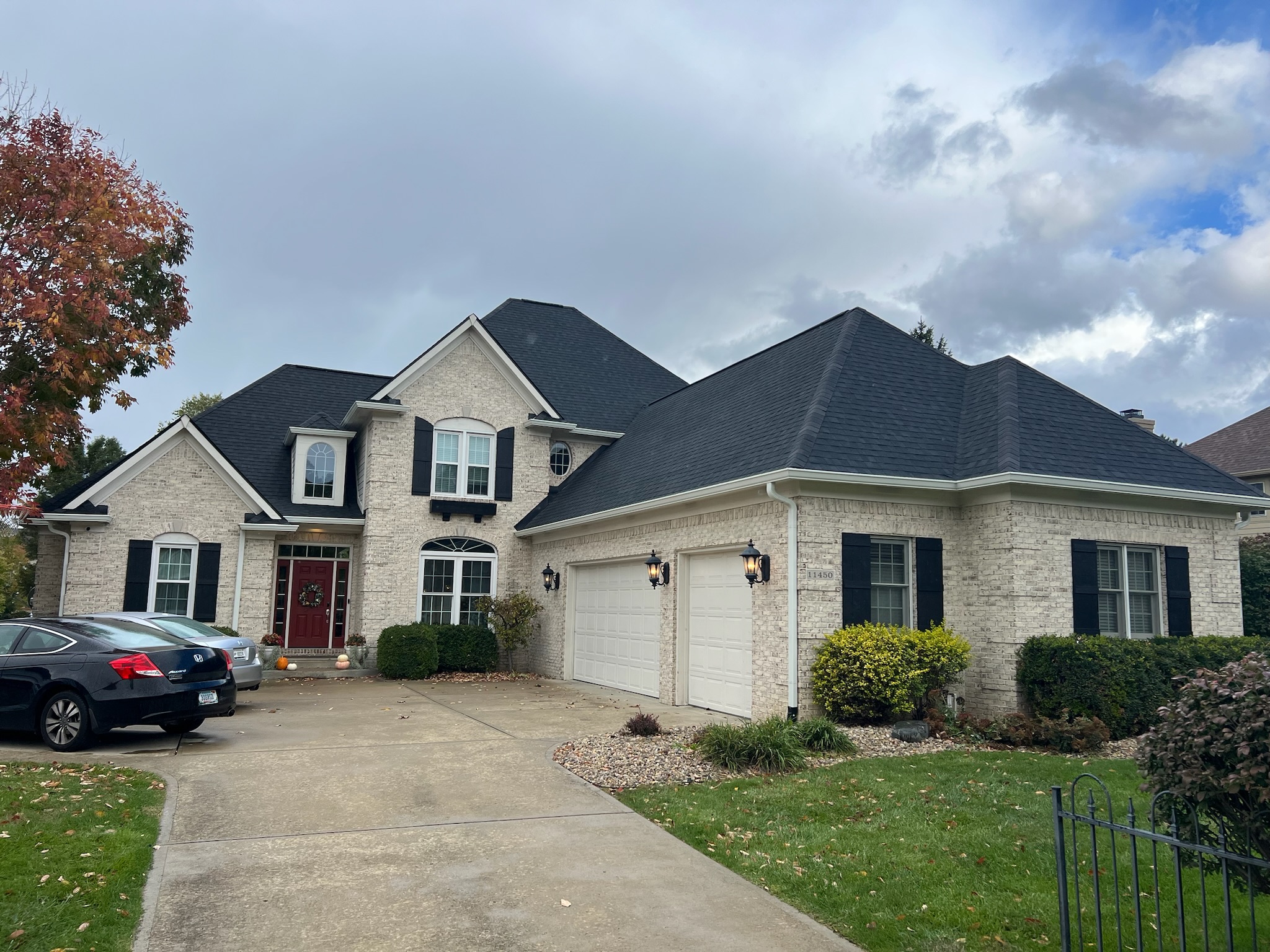
Indiana Roof Lifespan: Pro Tips + Indy Contractors
If you own a home in Indiana, you have probably asked some version of this question while staring at your shingles after a storm.
How long is my roof actually supposed to last here?
Because the “20 year shingle” thing sounds nice. But Indiana weather does not care what the box says. We get freeze and thaw, heavy spring rain, humidity that sticks around forever, hail that shows up out of nowhere, and wind that loves to test every nail line on your roof.
So let’s talk real lifespan. Not the marketing number. The lived in, Midwest, Indy suburb kind of lifespan.
And I’ll share what shortens it, what extends it, what to watch for, and how to find solid contractors in the Indianapolis area without getting talked into a full replacement when you only needed a repair.
The quick answer: average roof lifespan in Indiana
Most Indiana roofs fall into these rough ranges, assuming decent installation and normal maintenance.
- Asphalt shingles (3 tab): about 12 to 18 years in real Indiana conditions
- Architectural asphalt shingles: about 18 to 25 years, sometimes a bit more
- Metal roofing: about 40 to 70 years depending on type and coating
- Cedar shake: about 20 to 30 years, but maintenance matters a lot
- Slate or tile: 50+ years, but only if the structure and flashing are done right
- Flat roofs (EPDM, TPO, modified bitumen): about 15 to 25 years depending on drainage and seams
Notice how none of those are “30 years no problem” for shingles. Some do hit 30. Plenty do not. Indiana roofs tend to age faster than the brochure, mainly because of weather cycling and storm damage that may not look dramatic from the driveway.
When it comes to asphalt shingles specifically, the average lifespan can vary significantly, which adds another layer of complexity to estimating your roof's durability.
When faced with such challenges, it's crucial to find reliable roofing contractors who understand the local conditions. For residents in Indianapolis, there are reputable services available that can help assess your roofing needs accurately without unnecessary upselling.
Why Indiana roofs don’t age like roofs in calmer states
Indiana weather does this annoying thing where it repeats the same stress test on your roof over and over.
Freeze thaw cycles
Water gets under shingles or into tiny cracks, freezes, expands, and lifts things just enough to make the next rain event worse. It is gradual. It is sneaky. It adds up.
Spring hail and summer wind
Hail does not need to punch holes to reduce lifespan. It can knock granules loose, bruise shingles, and weaken the mat. Wind can break seals and start lifting corners. Then you get fluttering. Then you get missing tabs. Then you get leaks.
Humidity and algae
Indiana humidity plus shaded roof planes is basically an invitation for algae streaking and moss. That is not always “leak now” serious. But it can hold moisture, speed granule loss, and shorten life.
Roof ventilation issues
A lot of roof failures that look like “bad shingles” are actually attic heat and moisture problems. Poor intake and exhaust ventilation can bake shingles from below, warp decking, and create condensation that rots wood.
A roof is not just shingles. It is a system. In Indiana, systems matter.
What shortens a roof’s lifespan the fastest
If you want the “why did this roof die early” list, here it is.
1. Bad installation details
Even good materials fail when installation is sloppy. The biggest repeat offenders I see contractors call out in Indy:
- improper nailing patterns, over driven nails, or nails too high
- missing or cheap flashing around chimneys and walls
- reused step flashing during a replacement
- poor valley work
- no ice and water shield where it matters
- ridge vent installed without adequate intake ventilation
A roof can look fine from the ground and still have details that guarantee early failure.
2. One big storm
A roof can be “only 10 years old” and still be at end of life after hail. Not always. But sometimes, yes. Granule loss and bruising are roof killers, especially if you get repeated storms over a few seasons. Storm damage can significantly accelerate the wear and tear on your roof.
3. Clogged gutters and bad drainage
If water backs up, sits, or runs behind gutters, you will see:
- fascia rot
- soffit staining
- ice damming risk in winter
- edge shingle deterioration
Drainage is boring. It is also one of the highest ROI things you can maintain.
4. Tree coverage
Trees are not automatically bad. But in Indiana, heavy shade plus leaves plus branches that drop during storms is a roof aging combo.
If you have a roof plane that stays damp for days, it will grow things. And growth holds moisture.
5. Cheap “roof overs”
Layering new shingles over old ones (when allowed) can shorten lifespan because heat builds up and the substrate is less stable. Sometimes it is still done to save money. But if you are thinking long term, a tear off tends to win.
How to tell if your Indiana roof is near the end (without climbing up there)
You do not need to get on the roof to spot some strong indicators. Walk the perimeter. Use binoculars if you want.
Look for:
- curling or cupping shingles
- bald spots where granules are missing
- dark streaking + moss especially on north facing slopes
- shingles lifting along edges or near ridges
- exposed nails or popped nail heads
- damaged flashing around chimneys, vents, and walls
- sagging roof lines (this is more serious, could be decking or structure)
- granules in gutters that look like coarse black sand
Inside the house, watch for:
- stains on ceilings or around vents
- musty attic smell, damp insulation
- visible daylight in attic around penetrations
- rusty nail tips in the attic (sign of moisture)
One stain does not always mean “replace the whole roof.” It means investigate fast.
Pro tips to extend roof life in Indiana (realistic stuff that helps)
You cannot control hail, but you can control a lot. These are the maintenance moves that actually extend lifespan.
Keep gutters clean and water moving
At minimum, clean gutters in late fall and again in spring. If you have trees nearby, you might need more.
Also check downspouts. A perfectly clean gutter that dumps water next to the foundation still causes problems. Extensions are cheap.
Trim trees back
Give your roof room to dry. Trim branches away so they are not scraping shingles and dropping debris nonstop.
Check attic ventilation
This one is huge, and homeowners often skip it.
A good contractor will evaluate intake vents (soffit) and exhaust (ridge, box, or powered fans). Balanced airflow keeps attic temps lower in summer and reduces moisture in winter.
If your attic is roasting hot in July, your shingles are basically cooking.
Fix flashing issues early
Flashing is where a lot of Indiana leaks start. Chimney corners. Step flashing on sidewalls. Plumbing vents. Skylights.
If you catch flashing failures early, you can avoid decking rot and interior damage that turns a repair into a replacement.
After storms, do a quick ground inspection
You are not trying to play roofer. Just check for obvious missing shingles, lifted edges, gutters pulled loose, or visible dents on vents and flashing.
If neighbors are getting roofs replaced after hail, it is worth having yours inspected too.
Consider impact resistant shingles if you are replacing anyway
If you are due for a replacement and hail is common in your area, ask about Class 4 impact rated shingles. They cost more, but in hail prone parts of Indiana they can be worth it. Sometimes insurers offer discounts, sometimes they do not. Ask, do not assume.
Roof replacement timing in Indy: when it makes sense to stop repairing
Repairs are great. Until they are not.
A simple rule of thumb many contractors use:
- If the roof is near the end of its expected life, and you are patching repeatedly, replacement becomes more economical.
- If there is widespread granule loss, many lifted shingles, or multiple leaks, repairs tend to be temporary.
- If decking is rotting in multiple areas, you are already beyond “simple repair” territory.
Also, if you plan to sell within a couple years, a new roof can help. Not always dollar for dollar, but buyers love “new roof” because it removes uncertainty.
Indy contractors: how to choose someone good (without overthinking it)
Indianapolis has plenty of solid roofers. It also has storm chasers who show up after hail, knock doors, and vanish later. You want the first type.
Here is a simple checklist that works.
Look for local presence and traceable history
- a real office address in the Indy metro
- established business name that has existed longer than one storm season
- consistent reviews across Google and other platforms, not just a burst in one month
Make sure they are properly insured
Ask for proof of:
- general liability insurance
- workers comp (or clear explanation if they use subs and how coverage works)
If they dodge this question, move on.
Get details on materials and ventilation
A trustworthy contractor will talk about:
- shingle type and manufacturer system
- underlayment and ice and water shield placement
- flashing replacement plan
- ventilation plan, not just “we add ridge vent”
If the estimate is basically one line with a number, that is not enough.
Don’t accept “insurance will cover it” as the whole plan
Insurance claims can be valid. But a contractor should still explain what is damaged, what is not, what the scope is, and what your out of pocket might be.
Also. Never sign anything you do not understand. Especially “contingency agreements” that lock you in.
Ask about workmanship warranty in plain language
Manufacturer warranties cover materials under certain conditions. Workmanship warranty covers installation issues. Ask:
- How long is workmanship covered
- What is excluded
- Is it transferable if you sell
If they say “lifetime warranty” but cannot explain it, press for clarity.
Typical roof costs in Indianapolis (quick reality check)
Pricing changes constantly, but the main factors in Indy are:
- roof size and pitch
- number of layers to tear off
- decking replacement needs
- complexity (valleys, dormers, chimneys, skylights)
- material choice and shingle grade
If a quote is dramatically lower than others, it is usually missing something. Materials, flashing, ventilation, tear off, cleanup. Something.
And if it is dramatically higher, you should understand exactly why. Sometimes there is a good reason. Often there is just margin.
Get multiple estimates. Two is better than one. Three is usually enough.
A simple maintenance schedule that fits Indiana weather
This is boring. It works.
Every spring
- check gutters and downspouts
- look for missing shingles after storms
- check caulk around penetrations if visible from ground
Every fall
- clean gutters again
- clear roof valleys of debris if safe to do so from a ladder, or hire it out
- look for tree limbs that could fall during winter storms
Every 2 to 3 years
- have a professional roof inspection, especially if the roof is 10+ years old
- have attic ventilation evaluated if you see condensation or high attic temps
If you do nothing else, do the gutter stuff and the storm checks. Those two alone prevent a lot of early failures.
FAQ: Indiana Roof Lifespan
How long does a roof last in Indiana on average?
Most asphalt shingle roofs in Indiana last around 15 to 25 years, depending on shingle quality, installation, attic ventilation, and storm history.
Can hail damage shorten roof life even if there are no leaks?
Yes. Hail can bruise shingles and strip granules without immediate leaking. That kind of damage often reduces lifespan and may lead to failures later.
What is the most common cause of roof leaks in Indianapolis homes?
Flashing issues around chimneys, wall intersections, and roof penetrations are extremely common. Missing shingles after wind events is another big one.
How do I know if I need a repair or a full replacement?
If damage is localized and the roof is not near end of life, repairs often make sense. If the roof has widespread granule loss, multiple recurring leaks, or is already near its expected lifespan, replacement is usually smarter.
Is a “30 year shingle” really 30 years in Indiana?
Sometimes, but not reliably. In Indiana conditions, many “30 year” architectural shingles land closer to the 18 to 25 year range, especially with storms and poor ventilation.
Should I get a roof inspection after every big storm?
After hail or high wind, it is a good idea to at least do a ground check. If you see missing shingles, lifted edges, dented vents, or your neighbors are filing claims, schedule a professional inspection.
Do impact resistant shingles help in Indiana?
They can, especially in hail prone areas. Ask about Class 4 impact rated shingles if you are already replacing the roof and want extra durability.
How do I avoid getting scammed by storm chasers?
Choose contractors with a local track record, verify insurance, get a detailed written estimate, and avoid signing agreements you do not fully understand, especially anything that locks you in before you compare options.
