Choosing the Right Shingles: A Look at the Different Types
Choosing the Right Shingles: A Look at the Different Types
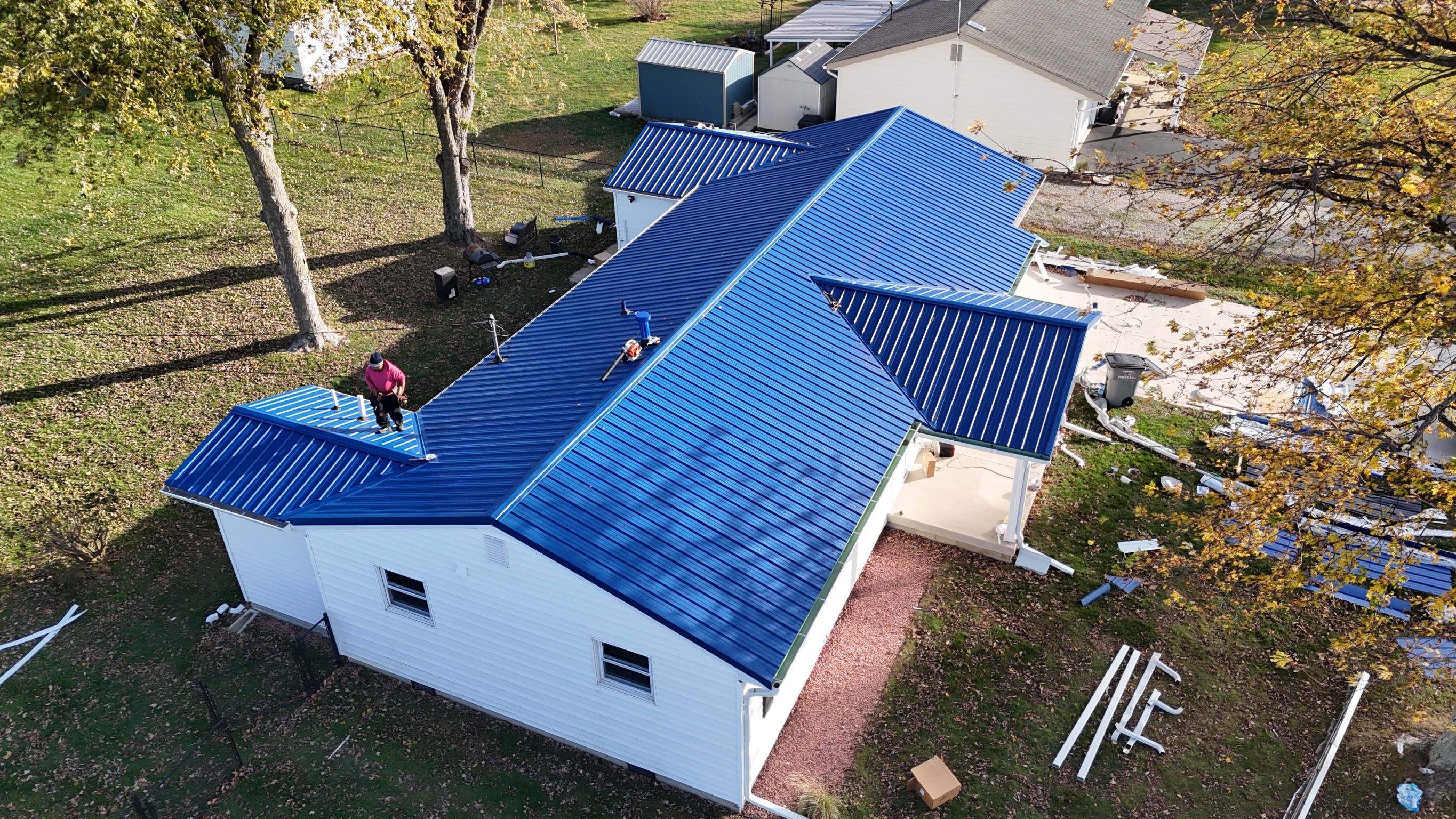
Choosing the Right Shingles: A Look at the Different Types

Your home's first line of defense starts with the roof. Roofing shingles serve as critical armor against nature's elements while defining your home's architectural character. The right shingles protect your investment, enhance curb appeal, and maintain structural integrity for decades.
Protection Meets Style
- Shield against rain, snow, and UV rays
- Block wind-driven debris
- Prevent moisture infiltration
- Create distinct visual appeal
- Add architectural dimension
The roofing market offers diverse shingle options - each engineered for specific performance needs and aesthetic preferences. From budget-friendly asphalt to premium slate, modern solar to eco-conscious rubber, the choices can seem overwhelming.
Key Selection Factors:
- Climate requirements
- Budget constraints
- Architectural style
- Energy efficiency goals
- Local building codes
- Installation demands
This comprehensive guide examines different shingle types, breaking down their unique characteristics, benefits, and limitations. You'll discover essential insights to select roofing materials that align with your home's needs, your climate zone, and your design vision.
For those in the Muncie, IN area seeking professional guidance on roofing shingles, Honest Abe Roofing can provide valuable assistance. Let's explore the world of roofing shingles to help you make an informed decision for your next roofing project.
Understanding Roofing Shingles
Roofing shingles serve as your home's first line of defense against environmental elements. These overlapping elements create a water-resistant barrier, directing rainfall and snow away from your roof's structure. Each shingle interlocks with adjacent pieces to form a protective shield that safeguards your home's interior from moisture damage.
Essential Functions of Roofing Shingles:
- Weather protection against rain, snow, and UV rays
- Temperature regulation for improved energy efficiency
- Structural support distribution across roof deck
- Ventilation management through proper installation
The impact of shingles extends beyond basic protection. A well-chosen roofing system dramatically enhances your home's curb appeal, creating visual interest through texture, color, and pattern variations. This aesthetic improvement directly influences property value - homes with attractive, well-maintained roofs command higher market prices and attract potential buyers.
Property Value Impact:
- 15-40% increase in perceived home value
- Enhanced marketability during resale
- Improved neighborhood aesthetics
- Insurance premium benefits
Selecting the right shingles requires careful consideration of multiple factors:
Durability Considerations:
- Wind resistance ratings
- Impact resistance class
- Fire safety classification
- Expected lifespan
Cost Analysis:
- Initial material expenses
- Installation requirements
- Long-term maintenance needs
- Energy savings potential
Aesthetic Elements:
- Color coordination with exterior
- Architectural style matching
- Texture variations
- Dimensional appearance
Your local climate plays a crucial role in shingle selection. Areas with severe weather patterns demand materials with higher durability ratings, while regions with intense sun exposure benefit from reflective properties. Building codes and homeowner association guidelines may also restrict your choices, making it essential to research local regulations before making a final decision.
1. Asphalt Shingles: The Popular Choice
Asphalt shingles dominate 80% of residential roofs in North America, setting the standard for cost-effective roofing solutions. These versatile shingles combine fiberglass or organic mat with asphalt coating and ceramic granules, creating a protective barrier against harsh weather conditions.
Three distinct categories of asphalt shingles serve different needs:
- 3-Tab Shingles: Single-layer construction, uniform flat appearance, 20-25 year lifespan, $1-2 per square foot, basic wind resistance up to 60 mph
- Architectural Shingles: Multi-layered design, dimensional appearance, 30-40 year lifespan, $3-5 per square foot, enhanced wind resistance up to 110 mph, superior impact resistance
- Luxury Asphalt Shingles: Premium multi-layered construction, mimics slate or wood shake appearance, 40-50 year lifespan, $4-7 per square foot, maximum wind resistance up to 130 mph, highest impact resistance rating
Key Benefits:
- Quick installation
- Wide color selection
- DIY-friendly repairs
- Universal availability
- Cost-effective replacement
Limitations:
- Susceptible to extreme temperature fluctuations
- Can develop algae growth in humid climates
- Limited insulation properties
- Environmental impact from petroleum-based materials
The rising demand for asphalt shingles stems from their balance of performance and affordability. Recent technological advances have improved their durability and aesthetic appeal, with manufacturers now offering enhanced UV protection and algae-resistant options. These innovations address traditional weaknesses while maintaining the cost advantages that make asphalt shingles an attractive choice for homeowners.
2. Metal Shingles: Durability Meets Energy Efficiency
Metal shingles are top performers in the roofing industry, offering outstanding durability with a lifespan of 40-70 years. These tough materials can withstand fire, impact, and extreme weather conditions, making them a smart choice for long-term home protection.
Key Benefits of Metal Shingles:
- Class A fire rating - highest resistance level
- Wind resistance up to 140 mph
- Reflects up to 85% of solar heat
- Reduces cooling costs by 10-25%
- Zero maintenance requirements
- Recyclable materials
Metal Types and Their Features:
Steel Shingles
- Galvanized or stone-coated protection
- Rust-resistant zinc coating
- Superior strength-to-weight ratio
- Cost-effective metal option
Aluminum Shingles
- Naturally corrosion-resistant
- 50% lighter than steel options
- Ideal for coastal environments
- Enhanced energy efficiency
Copper Shingles
- Premium aesthetic appeal
- Natural patina development
- 100+ year lifespan potential
- Self-healing properties
Investment Considerations:
- Initial costs: $8-14 per square foot
- Installation requires specialized expertise
- Reduces insurance premiums in many areas
- Increases home resale value by 1-6%
Metal shingles create distinct architectural statements with various style options. Modern designs mimic traditional materials like slate, wood shake, or tile. The color selection spans from earth tones to vibrant metallics, adapting to any home aesthetic.
The installation process demands precision and expertise. Metal shingles require proper underlayment and ventilation systems to maximize performance. Professional installation ensures correct seaming, proper expansion allowance, and adequate fastening techniques.
These shingles perform exceptionally in areas with severe weather patterns. The interlocking design prevents water infiltration and resists uplift in high winds. Snow and ice slide off metal surfaces, preventing damaging accumulation during winter months.
3. Wood Shingles and Shakes: Natural Beauty and Rustic Appeal
Wood shingles and shakes enhance homes with genuine natural beauty, giving them a unique architectural style. These roofing materials are made from long-lasting woods such as cedar and redwood, which are naturally resistant to decay and insects.
Key Differences Between Shingles and Shakes:
- Wood Shingles: Machine-cut with smooth surfaces and uniform thickness
- Wood Shakes: Hand-split with rustic, textured appearance and varying thicknesses
Cedar is the top choice for wood roofing because it offers:
- Natural oils that resist moisture damage
- Built-in insect repellent properties
- Rich color that ages to a distinguished silver-gray patina
Lifespan and Maintenance Requirements:
With proper care, wood shingles and shakes can last 25-30 years. Regular maintenance tasks include:
- Removing debris accumulation
- Clearing moss or algae growth
- Replacing split or damaged pieces
- Applying preservative treatments every 5 years
Design Impact and Applications:
Wood shingles and shakes are perfect for various architectural styles, including:
- Craftsman-style homes
- Mountain retreats
- Historic restorations
- Colonial architecture
These roofing materials create deep shadow lines, add dimensional depth to roof surfaces, and weather naturally without artificial treatments.
Climate Considerations:
Wood shingles and shakes perform best in moderate climates. To prevent moisture damage, proper ventilation is essential. For high-risk areas, fire-resistant treatments are available. In regions with moderate rainfall, limited humidity, and regular air circulation, these roofing materials exhibit enhanced durability.
Specific installation techniques are necessary for wood shingles and shakes to optimize their performance. Professional installation guarantees proper spacing for expansion and adequate ventilation to avoid premature aging.
4. Slate Tile Shingles: Timeless Strength and Elegance
Slate tile shingles are the best roofing material made by nature, taken straight from the earth's stone deposits. These natural stone tiles are incredibly durable and have a unique look that turns any roof into a work of art.
Key Attributes of Slate Roofing:
- Century-Long Durability: Slate tiles maintain their structural integrity for 100+ years, making them a true lifetime investment
- Fire-Resistant Properties: Class A fire rating - the highest possible classification
- Water-Resistant: Natural density prevents water absorption and freeze-thaw damage
- Mold-Resistant: Dense composition inhibits organic growth and deterioration
Color and Style Options
Slate tiles come in a variety of colors and styles to suit different architectural designs:
- Deep grays
- Purple-tinged varieties
- Green-hued selections
- Red-toned options
- Mixed color patterns
Installation Considerations
Installing slate roofing requires specialized skills due to its unique features:
- Weight requirements: 800-1,500 pounds per 100 square feet
- Structural reinforcement often needed
- Professional installation mandatory
- Precise cutting and fitting essential
Cost Factors
The cost of slate roofing reflects its premium quality:
- Material costs: $15-$30 per square foot
- Installation costs: $10-$20 per square foot
- Additional structural support expenses
- Long-term value appreciation
Despite higher upfront costs, slate roofing delivers exceptional return on investment through reduced maintenance, increased property value, and minimal replacement needs. The natural variations in each slate tile create unique patterns, ensuring no two slate roofs look exactly alike.
5. Clay and Concrete Tiles: Durable Options for Harsh Weather Conditions
Clay and concrete tiles are strong materials that can withstand severe weather conditions. They are known for their exceptional durability, lasting anywhere from 50 to over 100 years. This makes them an ideal choice for homeowners looking for long-lasting roofing solutions.
Characteristics of Clay Tiles:
- Made from natural earth materials
- Retain their rich color without fading
- Lighter in weight compared to concrete tiles
- Compatible with Mediterranean and Spanish architectural styles
- Provide excellent insulation properties
Features of Concrete Tiles:
- Made from a mixture of sand, cement, and water
- Available in a wide range of colors and styles
- Denser construction for better protection
- More affordable option compared to clay tiles
- Heavier weight may require additional structural support
Both clay and concrete tiles perform exceptionally well in challenging weather conditions:
- Can withstand winds up to 150 mph
- Rated Class A for fire resistance
- Resistant to hail impact
- Can endure freeze-thaw cycles
- Suitable for coastal areas with salt exposure
Clay tiles maintain their original color throughout their lifespan, requiring minimal maintenance. Their natural composition creates a distinctive appearance that enhances Mediterranean, Spanish Colonial, and Mission-style homes.
Concrete tiles offer design versatility through various shapes, sizes, and colors. These tiles can mimic other materials, including slate, wood shake, or traditional clay. The manufacturing process allows for specialized surface treatments and textures.
Climate Considerations:
When choosing between clay and concrete tiles, it's essential to consider the specific climate conditions of your area:
- Hot climates: Both clay and concrete have natural thermal resistance properties that can help keep your home cool.
- Coastal regions: Concrete tiles are salt-spray resistant, making them suitable for homes near the coast.
- High-wind areas: Interlocking designs in both clay and concrete tiles provide stability against strong winds.
- Heavy rainfall: The shape and slope of the tiles ensure excellent water shedding capabilities.
- Freeze-thaw zones: Proper grade selection during installation is crucial to prevent damage from freezing temperatures.
The installation process requires professional expertise due to the specific weight requirements and precise placement needs of these tiles. It is important to incorporate proper underlayment and ventilation systems to maximize the performance and longevity of your roof.
In summary, clay and concrete tiles are durable roofing options that can withstand harsh weather conditions. Their longevity, low maintenance requirements, and versatility make them attractive choices for homeowners seeking reliable roofing solutions.
6. Composite Shingles: Affordable Alternatives Mimicking Natural Materials
Composite shingles represent a breakthrough in roofing technology, offering remarkable versatility at a fraction of the cost of natural materials. These synthetic alternatives combine recycled materials, polymers, and advanced manufacturing techniques to create durable, aesthetically pleasing roofing solutions.
Key Features:
- UV-resistant compounds prevent color fading
- Class A fire rating for enhanced safety
- Impact-resistant construction withstands severe weather
- Available in diverse textures and colors
- 30-50 year warranties standard
Material Composition:
The engineered structure includes:
- Recycled plastic and rubber
- Cellulose fibers
- UV-resistant polymers
- Advanced binding agents
Composite shingles excel at replicating premium roofing materials:
Slate Look-Alikes
- Authentic stone texturing
- Multi-dimensional shadow lines
- 1/4 the weight of natural slate
- Simplified installation process
Wood Shake Alternatives
- Deep grain patterns
- Rich color variations
- Superior rot resistance
- No splitting or warping
The lightweight nature of composite shingles eliminates the need for additional structural support, making them ideal for both new construction and retrofit projects. Installation costs remain lower due to reduced labor requirements and specialized tools.
Maintenance Benefits:
- Resist algae and moss growth
- Clean with standard pressure washing
- No sealing or coating required
- Damaged pieces easily replaced
The durability of composite shingles extends beyond their physical structure. These materials resist:
- Extreme temperature fluctuations
- Heavy rain and hail impact
- Wind uplift forces
- Ice and snow damage
For homeowners seeking sustainable options, many composite shingles contain up to 95% recycled materials while maintaining full recyclability at the end of their service life.
7. Solar Shingles: Combining Roofing and Energy Production
Solar shingles are an innovative new type of roofing that offers both protection from the elements and the ability to generate clean energy. Unlike traditional solar panels, which are installed on top of an existing roof, solar shingles are designed to blend seamlessly with your home's exterior while also harnessing the power of the sun.
How Solar Shingles Work
Solar shingles function similarly to conventional solar panels by converting sunlight into electricity using photovoltaic cells. However, instead of being mounted separately on your roof, these advanced roofing materials serve a dual purpose - acting as both weatherproofing and energy-generating components.
Advantages of Solar Shingles
- Aesthetic Appeal: One major advantage of solar shingles over traditional solar installations is their visual appeal. With sleek designs that mimic standard roofing materials such as asphalt or tile, they can enhance the overall look of your home without compromising style.
- Space Efficiency: Another benefit is space efficiency. Since solar shingles integrate directly into your roofline, they require less surface area compared to bulky panel systems for equivalent power generation capabilities.
- Versatility: Additionally, these versatile solutions can be installed on various types of roofs - including sloped or flat surfaces - making them suitable for a wide range of architectural styles.
Potential Savings on Energy Costs
Like other forms of renewable energy technology, solar shingles have the potential to significantly reduce your electricity bills over time. By generating clean energy from sunlight during daylight hours, you may be able to offset some or all of your reliance on grid-supplied electricity.
While individual savings will vary based on factors such as location (sunny climates tend to yield higher outputs), system size, and local utility rates; homeowners who invest in solar shingle installations often report substantial long-term cost savings.
Considerations Before Installation
Before deciding whether solar shingles are right for you, there are several factors worth considering:
- Upfront Costs: As with any home improvement project involving advanced technology; initial investments can be higher than traditional options upfront but may pay off through future savings.
- Roof Condition: The condition of your existing roof should also be taken into account since installation typically requires replacing old or damaged roofs beforehand.
- Local Regulations: Lastly check local regulations regarding building codes or HOA guidelines which might affect installation plans.
The Future Potential
As demand grows for sustainable living solutions; manufacturers continue innovating within this space developing more efficient models at competitive prices making them accessible wider audience.
In conclusion while still relatively new compared traditional methods; when considering long-term benefits both environmental economic perspectives—solar-shingles present exciting opportunity homeowners looking upgrade their properties sustainably .
8. Rubber Shingles: Eco-Friendly Resilient Roofing Option
Rubber shingles are an eco-friendly roofing solution made from recycled materials, specifically rubber from old tires. They offer a sustainable alternative to traditional roofing options while providing excellent durability and performance.
Key Environmental Benefits:
- Each roof installation recycles 250-1,000 tires
- Reduces landfill waste and carbon footprint
- Manufacturing process requires 96% less energy than traditional materials
The aesthetic versatility of rubber shingles stands out in the market. These shingles replicate premium materials with remarkable accuracy:
- Slate-look options - Textured surface with natural color variations
- Wood shake designs - Authentic grain patterns and dimensional depth
- Custom color choices - UV-resistant pigments prevent fading
Performance Characteristics:
- Impact resistance rating: Class 4 (highest)
- Wind resistance up to 110 mph
- Waterproof construction prevents moisture penetration
- 30-50 year lifespan
Rubber shingles excel in harsh weather conditions. The material's inherent flexibility prevents cracking during temperature fluctuations, while its dense composition resists:
- Hail damage
- Ice formation
- UV degradation
- Mold growth
Installation requires minimal specialized tools, reducing labor costs. The lightweight nature of rubber shingles eliminates the need for additional structural support, making them suitable for most existing roof structures.
Maintenance Requirements:
- Annual inspection for loose fasteners
- Periodic cleaning to remove debris
- No special treatments or coatings needed
The cost-effectiveness of rubber shingles balances initial investment with long-term durability. While purchase prices may exceed basic asphalt options, reduced maintenance needs and extended lifespan deliver significant value over time.
Factors to Consider When Choosing Roofing Shingles
Selecting the right roofing shingles requires careful consideration of several important factors. Here's what you need to evaluate:
1. Climate Compatibility
Different climates have different demands on roofing materials. Here are some climate-specific requirements to keep in mind:
- Sunny regions: Look for shingles with high heat resistance.
- Hail-prone areas: Choose shingles with impact resistance (Class 1-4).
- Coastal or high-wind zones: Opt for shingles with wind uplift ratings.
- Rainy climates: Ensure moisture resistance in your chosen shingles.
- Cold regions: Select shingles that can withstand freeze-thaw cycles.
2. Budget Analysis
Understanding the financial implications of your roofing choice is crucial. Consider the following costs:
- Initial material costs per square foot
- Installation expenses
- Expected maintenance costs over the lifespan of the roof
- Projected savings from increased lifespan
- Potential impacts on insurance premiums
- Contribution to resale value
3. Structural Requirements
The structure of your home will influence the type of shingles you can use. Assess these structural aspects:
- Roof pitch limitations: Some shingles are not suitable for low-pitched roofs.
- Load-bearing capacity: Ensure your roof can support the weight of the chosen materials.
- Deck reinforcement needs: Additional support may be required for certain shingle types.
- Existing support structure: Understand how your current roof supports will interact with new materials.
- Additional framing requirements: Some installations may require extra framing work.
4. Energy Performance
If energy efficiency is a priority, look into these performance metrics:
- Solar reflectance index (SRI): Higher values indicate better heat reflection.
- Thermal emittance ratings: This measures how well a material releases absorbed heat.
- Ventilation compatibility: Ensure proper airflow under the roof for optimal insulation performance.
- Insulation integration: Consider how your chosen shingles will work with existing insulation systems.
- Cool roof certification: Some products come with certifications indicating their energy-saving capabilities.
5. Local Regulations
Before making any decisions, familiarize yourself with local building regulations:
- Building code compliance: Your roofing choice must meet specific standards set by local authorities.
- HOA restrictions: If you live in a community governed by a homeowners association, check their guidelines on roofing materials and colors.
- Fire rating requirements: Certain areas may have strict fire safety regulations that impact your shingle selection.
- Environmental regulations: Be aware of any laws regarding sustainable practices or eco-friendly materials in your region.
- Permit requirements: Find out if you need permits for roofing work and ensure all necessary paperwork is in order.
6. Warranty Protection
Understanding warranty terms is essential for long-term peace of mind:
- Material coverage duration: Know how long the manufacturer guarantees their product against defects.
- Installation guarantees: Check if there's any guarantee on workmanship provided by the contractor.
- Prorated vs. non-prorated terms: Understand whether coverage decreases over time (prorated) or remains constant (non-prorated).
- Transferability options: Find out if you can transfer warranties when selling your home, as this can be an attractive selling point.
- Exclusion clauses: Be aware of any specific conditions that may void warranty claims.
7. Design Integration
Lastly, consider how well your chosen shingles will blend with the overall design of your home:
- Architectural style match: Select materials that complement your home's architectural features.
- Color permanence: Ensure colors used in shingle production are resistant to fading over time.
- Texture options: Explore different textures available to add visual interest to your roofline.
- Shadow lines: Pay attention to how shadows cast by various shingle profiles can enhance or detract from curb appeal.
- Profile depth: Consider depth variations in profiles which might create distinctive looks depending on sunlight angles.
Each climate zone presents unique challenges:
- Desert regions demand high UV resistance, while coastal areas require corrosion-resistant materials.
- Northern locations need shingles that withstand ice dams, and hurricane-prone regions must meet specific wind resistance ratings.
The structural integrity of your home dictates material weight limitations:
- Slate and clay tiles require robust support systems, while lighter options like asphalt or metal suit standard frame construction.
Energy efficiency ratings impact long-term costs:
- Light-colored shingles reflect heat, reducing cooling expenses, and some regions offer tax incentives for energy-efficient roofing choices.
Building codes vary by jurisdiction:
- Many areas mandate specific fire ratings or wind resistance levels, while HOA guidelines might restrict certain materials or colors.
Verify local requirements before purchase to ensure compliance.
Warranty terms affect long-term value:
- Premium materials often include longer coverage periods, so read warranty documentation carefully as installation requirements must be met to maintain coverage.
Installation Requirements and Maintenance Tips
Installation Specifications
- Solar shingles demand professional electrical wiring integration
- Slate tiles require reinforced roof decking to support weight
- Metal shingles need specific underlayment to prevent corrosion
- Wood shingles must maintain proper spacing for expansion
Essential Underlayment Guidelines
- Install ice and water shield in valleys and eaves
- Use synthetic underlayment for enhanced moisture protection
- Apply proper ventilation barriers beneath metal shingles
- Place specialized heat barriers under solar panels
Critical Maintenance Tasks
- Clean gutters monthly to prevent water backup
- Remove debris from roof surface every 3-4 months
- Check for loose or damaged shingles after storms
- Trim overhanging branches away from roof
Preventive Care Schedule
- Inspect roof penetrations twice yearly
- Clean moss and algae growth immediately
- Document all maintenance activities
- Schedule professional inspections annually
Warning Signs to Monitor
- Granule loss in gutters
- Curling or buckling shingles
- Water stains on interior ceilings
- Missing or cracked shingles
Professional Maintenance Requirements
- Re-sealing of flashing points
- Replacement of damaged shingles
- Ventilation system assessment
- Structural integrity evaluation
Proper maintenance extends shingle life by 25-40%. Track your maintenance schedule and keep detailed records of all repairs and inspections for warranty purposes.
Conclusion
Choosing the right roofing shingles requires careful consideration of several factors. Each type of shingle has its own advantages and specific installation requirements. A professional roofing contractor has the knowledge and skills to:
- Assess the structural capabilities of your home
- Evaluate the local climate conditions
- Understand building codes and regulations
- Recommend suitable materials within your budget
- Use proper installation techniques
Your roof is an important investment in protecting and increasing the value of your home. Professional installation ensures that your chosen roofing material performs well and lasts a long time. Schedule consultations with licensed roofing contractors to discuss your specific needs. Ask for detailed quotes and material recommendations based on their expert evaluation.
Take Action Now:
- Research local roofing contractors
- Check their credentials and reviews
- Request multiple quotes
- Inquire about warranty coverage
- Document all recommendations
Make an informed decision with professional guidance to protect your investment for years to come.
