Storm Prep 101: Top Tips for Safeguarding Your Roof in Muncie
Storm Prep 101: Top Tips for Safeguarding Your Roof in Muncie
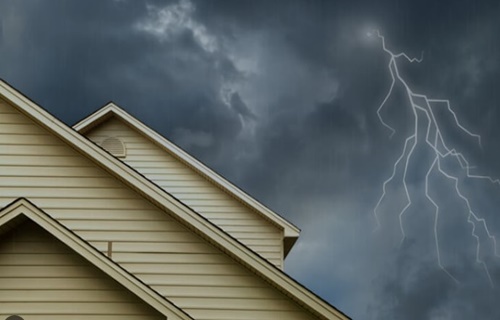
Storm Prep 101: Top Tips for Safeguarding Your Roof in Muncie
Muncie's unpredictable weather patterns demand immediate attention to roof protection. From intense summer storms to harsh winter conditions, your roof faces constant challenges that require strategic preparation and maintenance.
Critical Weather Threats in Muncie:
- Heavy rainfall and flooding
- Severe thunderstorms
- Intense snowfall
- Damaging winds
- Unexpected hail storms
Your roof serves as the primary defense against these elements. A compromised roof can lead to:
- Structural damage
- Interior water damage
- Mold growth
- Decreased property value
- Higher energy costs
Regular roof maintenance isn't optional in Muncie—it's essential. Professional inspections identify potential vulnerabilities before storms strike. This proactive approach prevents costly repairs and protects your investment.
For residents of Muncie, time-sensitive roof preparation includes:
- Structural integrity checks
- Shingle assessment
- Gutter system evaluation
- Flashing inspection
- Ventilation verification
Don't wait for storm warnings to act. Proper roof maintenance requires year-round vigilance. Protect your home now with proven storm preparation strategies designed specifically for Muncie's unique climate challenges.
Key Tips for Storm Prep
Regular roof inspections serve as your first line of defense against storm damage. Schedule professional inspections twice yearly - spring and fall - to catch potential issues before they escalate.
Critical Inspection Points:
- Missing or damaged shingles
- Loose granules on asphalt shingles
- Cracked or deteriorating sealant
- Rust spots on metal components
- Sagging areas or visible dips
- Signs of water stains or discoloration
Roofing Material Assessment
Check your roofing materials for these specific signs of wear:
- Curling or buckling shingles
- Broken or missing tiles
- Exposed nail heads
- Blistering or peeling surfaces
- Damaged or missing ridge caps
- Granule accumulation in gutters
Flashing Inspection Protocol
Examine all flashing areas:
- Chimney perimeter
- Vent pipes
- Skylights
- Valleys
- Wall intersections
Look for loose, rusted, or separated flashing sections. These vulnerable areas need immediate attention to prevent water infiltration during storms.
Sealing and Waterproofing
Proper sealing prevents water damage:
- Check all roof penetrations
- Inspect rubber boots around vent pipes
- Verify caulking around skylights
- Examine weatherstripping on roof hatches
- Test seals around satellite dish mounts
- Assess waterproof barriers in valleys
Action Steps for Identified Issues:
- Document problem areas with photos
- Mark locations needing repair
- Address minor repairs immediately
- Schedule professional repairs for major issues
- Keep detailed maintenance records
Implement these inspection protocols every three months in high-risk weather periods. Create a checklist system to track recurring issues and maintenance patterns.
1. Component Checks
Your roof's components act as the first line of defense against water damage and mold growth. Each element plays a critical role in protecting your home:
Soffits and Fascia
- Check soffits for holes, cracks, or rotting areas
- Inspect fascia boards for signs of water stains
- Look for peeling paint or warped sections
- Remove any pest infestations immediately
Drip Edges
- Verify secure attachment to roof edge
- Check for proper overlap with gutters
- Inspect for rust or corrosion
- Ensure correct angle for water runoff
Gutters and Downspouts
- Remove leaves, twigs, and debris
- Test water flow through entire system
- Check for loose or sagging sections
- Clear all downspout blockages
- Install gutter guards for added protection
Critical Areas to Monitor
- Joint connections between components
- Seams and fastening points
- Areas prone to water collection
- Signs of rust or deterioration
Schedule component checks during spring and fall. Address minor issues immediately to prevent major structural damage. Document problem areas with photos for future reference and maintenance tracking.
Pro Tip: Use a garden hose to test water flow through your gutter system. This reveals potential leaks and blockages that might go unnoticed during dry inspections.
2. Attic Inspection
Your attic serves as a critical indicator of your roof's health. Regular attic inspections reveal potential issues before they escalate into costly repairs.
Key Warning Signs to Watch:
- Dark spots or water stains on walls and ceiling
- Damp or musty odors
- Sagging roof deck
- Visible daylight through roof boards
- Frost accumulation during winter months
Ventilation Check Points:
- Blocked soffit vents
- Damaged ridge vents
- Inadequate number of roof vents
- Misaligned or disconnected duct work
Muncie's climate presents unique challenges for attic spaces. Summer temperatures can soar above 90°F, while winter brings freezing conditions. This temperature swing creates a perfect environment for condensation buildup and subsequent structural damage.
Climate-Specific Issues:
- High humidity levels leading to mold growth
- Ice dam formation in winter months, which can cause significant damage to your roofing system if not addressed promptly
- Heat buildup causing shingle deterioration
- Excessive moisture trapped in insulation
Immediate Action Items:
- Check attic after every major storm
- Document any new water stains
- Test insulation for moisture content
- Measure attic temperature during peak heat
- Verify proper air flow through vents
A properly ventilated attic maintains temperatures within 10-15 degrees of the outside air. To achieve this, it's essential to ensure that your roof has proper ventilation, as highlighted in this article about the importance of proper roof ventilation. Install a thermometer to monitor these conditions and address any significant temperature variations promptly to prevent potential damage to your roofing system.
Additionally, understanding how to prevent ice dams is crucial in maintaining your roof's integrity during the winter months.
3. Weather Impact Awareness
Muncie's varied weather conditions require us to always be on the lookout for possible roof damage. Each season presents its own set of challenges that need particular protective actions.
Winter Threats: Ice Dams
- Ice dams form when heat escapes through the roof
- Melted snow refreezes at roof edges
- Creates water backup under shingles
- Leads to interior leaks and structural damage
Hail Storm Protection
- Install impact-resistant shingles
- Check for dents or cracks after storms
- Document damage with photos
- Address repairs immediately
Heavy Snow Load Management
- Remove excess snow beyond 6 inches
- Use roof rake from ground level
- Watch for sagging roof sections
- Clear snow from valleys and edges
Seasonal Storm Preparation
- Secure loose shingles
- Trim overhanging branches
- Install lightning protection systems
- Reinforce roof attachments
Critical Warning Signs
- Granules in gutters
- Cracked or missing shingles
- Dented metal surfaces
- Water stains on ceilings
Muncie goes through significant weather changes every year. The temperature can swing from 90°F in summer to below freezing in winter, causing roofing materials to expand and contract. This cycle puts stress on the materials, making them wear out faster and more susceptible to storm damage.
By regularly keeping an eye on the roof, we can spot potential weak areas before severe weather hits. It's important to create a storm preparation checklist that addresses the specific threats each season brings. Additionally, staying updated on weather forecasts and taking proactive measures ahead of incoming storms will help protect our roofs effectively.
4. Quality Materials and Proper Installation Techniques
Quality Materials for Durability Against Storms
Using high-quality roofing materials is crucial for storm resilience. Premium shingles, metal roofing, and impact-resistant tiles offer better protection against extreme weather conditions like hail, heavy snowfall, and strong winds. Consider materials such as:
- Impact-Resistant Shingles: Designed to withstand hail damage.
- Metal Roofing: Offers durability and resistance to harsh weather.
- Clay or Concrete Tiles: Known for their strength and longevity.
Local Regulations Compliance
Adhering to local regulations ensures your roof meets the necessary standards to endure Muncie's stormy weather. Local building codes may require specific materials or installation techniques designed to enhance roof durability. Compliance helps avoid legal issues and ensures safety.
Proper Installation Techniques
Correct installation is as essential as the quality of materials used. Poorly installed roofs are more susceptible to leaks and wind damage during storms. Key installation techniques include:
- Adequate Nailing Patterns: Ensures shingles stay in place during high winds.
- Proper Flashing Installation: Prevents water infiltration around chimneys, vents, and other roof penetrations.
- Sealing Roof Penetrations: Critical for preventing leaks; use high-quality sealants.
Benefits of Professional Installation
Hiring experienced contractors guarantees that both material quality and installation methods meet industry standards. Professionals also stay updated on local regulations, ensuring compliance with all requirements. This proactive approach significantly reduces the risk of storm damage.
By focusing on quality materials and proper installation techniques, you build a robust defense against Muncie's unpredictable weather patterns. This not only prolongs the life of your roof but also provides peace of mind during storm season.
5. Seeking Professional Help: Storm Damage Restoration Services by Experienced Contractors in Muncie, Indiana
Storm damage requires immediate professional attention. Experienced contractors in Muncie, Indiana provide specialized restoration services to protect your property and prevent further complications.
Key Services Offered by Professional Contractors:
- Emergency roof tarping
- Structural damage assessment
- Water damage mitigation
- Complete roof restoration
- Documentation for insurance claims
Professional roofing contractors in Muncie bring specialized equipment and expertise to handle storm-related emergencies. Their trained teams conduct thorough inspections to identify hidden damage that untrained eyes might miss.
Insurance Claims Process Support
Local contractors understand insurance requirements and documentation needs:
- Detailed damage reports
- Cost estimates
- Photo documentation
- Direct communication with adjusters
- Claim filing assistance
Choosing the Right Contractor
Look for these qualifications when selecting a Muncie roofing professional:
- Licensed and insured status
- Local reputation and reviews
- Storm restoration experience
- Emergency response capabilities
- Manufacturer certifications
Response Time Matters
Quick action prevents:
- Secondary water damage
- Structural deterioration
- Mold growth
- Interior damage
- Higher repair costs
Contact established roofing companies in Muncie immediately after storm damage occurs. Professional contractors provide 24/7 emergency services to secure your property and begin the restoration process. Their expertise ensures proper repairs that meet local building codes and manufacturer specifications.
6. Routine Maintenance: A Key Factor in Effective Storm Season Preparation and Risk Reduction
Regular roof maintenance creates a strong defense against storm damage. A well-maintained roof stands stronger against severe weather conditions, protecting your home and investment.
Essential Maintenance Tasks:
- Clean roof surfaces monthly to prevent debris accumulation
- Remove moss and algae growth immediately
- Replace damaged or missing shingles within 48 hours
- Seal any detected gaps or cracks during dry weather
- Schedule professional inspections twice yearly
Risk Reduction Through Preventive Care:
- Structural Integrity Check
- Test roof deck attachment
- Verify proper fastener spacing
- Assess truss connection strength
- Surface Protection
- Apply protective coatings
- Install impact-resistant materials
- Maintain proper drainage slopes
- Ventilation Management
- Clear soffit vents
- Check ridge vent functionality
- Monitor attic airflow
Seasonal Maintenance Schedule:
Spring: Complete post-winter repairs, clear winter debris
Summer: Address UV damage, inspect for heat-related issues
Fall: Prepare for winter storms, reinforce weak points
Winter: Monitor ice dam formation, remove snow buildup
Proactive maintenance reduces repair costs by up to 45% compared to reactive repairs. Schedule these tasks during clear weather conditions to ensure proper completion and maximum effectiveness. Document all maintenance activities to track your roof's condition and identify recurring issues.
Conclusion
Protecting your Muncie home against storm damage requires proactive measures and expert attention. The steps outlined in this guide serve as your defense against Indiana's unpredictable weather patterns. Regular inspections, proper maintenance, and swift repairs create a strong shield for your property.
Don't wait for storm damage to happen. Take action now:
- Schedule a professional roof inspection
- Address minor repairs immediately
- Implement preventive maintenance strategies
- Document your roof's current condition
- Keep emergency contacts ready
Local Muncie roofing experts understand the unique challenges our climate presents. Five Star Commercial Roofing brings specialized knowledge and proven storm protection techniques to safeguard your investment.
Ready to protect your roof from storms?
Contact a trusted Muncie roofing contractor today. Professional assessment identifies vulnerable areas and strengthens your roof's resistance against severe weather. Our local experts deliver:
- Comprehensive roof evaluations
- Storm damage prevention strategies
- Quality material recommendations
- Professional installation services
- Emergency repair response
Call [Phone Number] now to schedule your professional roof inspection with Five Star Commercial Roofing. Protect your Muncie property before the next storm hits.
FAQs (Frequently Asked Questions)
Why is storm preparation crucial for roofs in Muncie?
Storm preparation is essential for roofs in Muncie due to the area's unique weather conditions, including heavy snowfall, hail storms, and seasonal storms. Proper preparation helps safeguard roofs against potential damage, prolongs roof lifespan, and prevents costly repairs.
What are the key components to inspect during roof storm prep in Muncie?
Key components to inspect include roofing materials for wear, flashing for leaks, soffits, fascia, drip edges, gutters, and downspouts. Regular inspection ensures these elements are intact to prevent water damage and mold growth during storms.
How does attic inspection contribute to effective storm preparation in Muncie homes?
Attic inspections help identify signs of water damage and ventilation problems that can be exacerbated by Muncie's climate. Addressing these issues before storm season can prevent further roof damage and maintain proper airflow.
What role do quality materials and proper installation play in storm-proofing roofs in Muncie?
Using high-quality materials compliant with local regulations and following proper installation techniques ensures durability against storms common in Muncie. This approach minimizes risks of damage from ice dams, hail, and heavy snow.
When should I seek professional help for storm damage restoration in Muncie?
It's advisable to consult experienced roofing contractors in Muncie after a significant storm or if you notice roof damage signs. Professionals provide comprehensive restoration services and assist with insurance claims to ensure your roof is properly repaired.
How does routine maintenance reduce risks during storm seasons in Muncie?
Routine maintenance prepares your roof for upcoming storms by addressing minor issues before they escalate. Regular cleaning of gutters and downspouts, inspections of roofing components, and timely repairs reduce the risk of severe storm-related damages.
