The Effects of Humidity on Muncie Roofs: What You Need to Know
The Effects of Humidity on Muncie Roofs: What You Need to Know
The Effects of Humidity on Muncie Roofs: What You Need to Know
Muncie's humid continental climate presents unique challenges for roofing systems throughout the year. The city experiences hot, humid summers with average relative humidity levels reaching 70-80%, combined with cold winters that create dramatic temperature fluctuations. These conditions place constant stress on roofing materials, accelerating wear and creating environments where moisture-related damage thrives.
The effects of humidity on Muncie roofs extend beyond simple water exposure. Moisture infiltration leads to:
- Premature deterioration of shingles and underlayment
- Structural damage to roof decking
- Mold and mildew proliferation
- Reduced energy efficiency
- Shortened roof lifespan by 30-40%
Roofing properties in this region requires specialized knowledge of how humidity interacts with different materials and construction methods. Local roofers Muncie Indiana residents trust understand these climate-specific challenges and implement solutions designed for long-term performance.
Ignoring humidity's impact costs homeowners and businesses thousands in premature replacements and emergency repairs. The moisture that accumulates during humid summer months doesn't simply evaporate—it penetrates roofing layers, compromising structural integrity from the inside out. Property owners who recognize these threats early and work with experienced contractors protect their investments and avoid catastrophic failures during severe weather events.
The Science Behind Humidity and Its Impact on Roofing Materials
Humidity is a silent enemy of roofing systems. Water vapor seeps into tiny pores in roofing materials, starting a series of processes that weaken the structure. Different materials react differently to humidity, so it's important for roofing contractors Muncie Indiana property owners choose for their projects to have a specific understanding of these reactions.
Asphalt Shingles and Moisture Absorption
Asphalt shingles are made up of organic or fiberglass cores that are coated with asphalt and mineral granules. When humidity is high, these materials absorb moisture through a process called capillary action. This absorbed water expands and contracts with temperature changes, causing stress fractures in the asphalt coating. As a result, granules start to come off, exposing the underlying mat to direct sunlight and more moisture infiltration. This protective barrier breaks down quickly when humidity levels remain high, reducing the expected lifespan by 30-40% in extreme cases.
Metal Roofing Response to Humidity
Metal roofs respond to humidity by forming condensation instead of absorbing it. When warm air filled with moisture comes into contact with cooler metal surfaces, water droplets form on the underside of the panels. If there is no proper ventilation and vapor barriers in place, this condensation builds up and drips onto the decking materials and insulation. While galvanized steel and aluminum are better at resisting corrosion compared to bare metal, fastener points and cut edges are still susceptible to rust formation when exposed to constant moisture.
Seasonal Amplification in Muncie
In Muncie, spring and fall create ideal conditions for humidity effects on roofs to become stronger. In the mornings, dew settles on cool roof surfaces while temperatures rise in the afternoons, creating cycles of wetness and dryness. During summer, intense heat combined with high humidity levels exceeding 70% traps moisture beneath shingles and prevents proper drying. Winter brings freeze-thaw cycles that worsen existing moisture damage by forcing water into cracks where it expands when frozen. These seasonal patterns put continuous pressure on roofing materials throughout the year, requiring careful monitoring and proactive measures.
Common Humidity-Related Problems Faced by Roofs in Muncie
High humidity levels create specific challenges for roofing systems across Muncie. Homeowners and property managers must recognize these issues before they escalate into costly repairs. Roofing contractors Muncie encounter these problems regularly during inspections and maintenance calls.
Moss Growth: A Persistent Threat
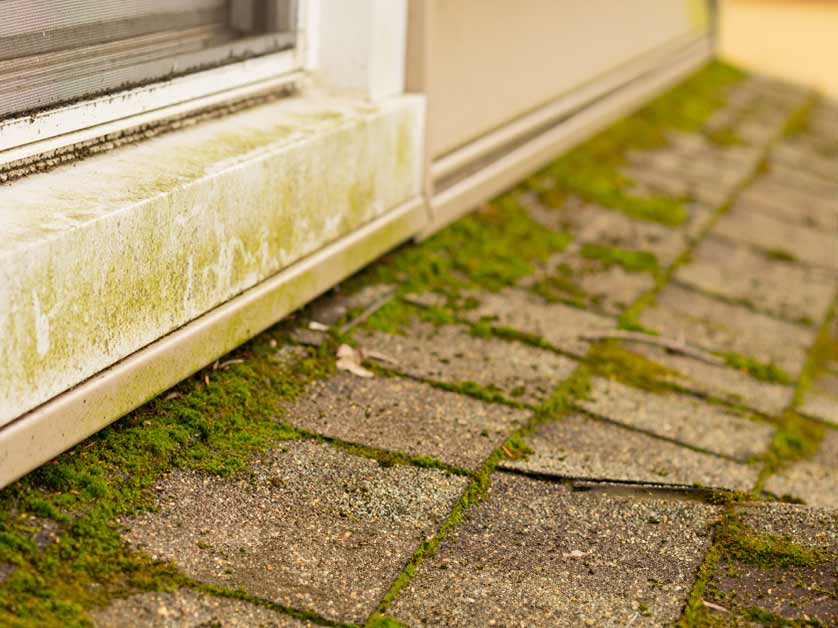
Moss thrives in Muncie's humid environment, particularly on north-facing roof sections that receive limited direct sunlight. The combination of moisture retention and shade creates ideal breeding grounds for these organisms.
Conditions that accelerate moss colonization:
- Overhanging tree branches that block sunlight and drop organic debris
- Poor roof drainage allowing water to pool in valleys and low spots
- Inadequate ventilation trapping moisture beneath shingles
- Shaded areas where morning dew takes longer to evaporate
Moss doesn't just create an aesthetic problem. Its root systems burrow beneath shingle edges, lifting them away from the roof deck. This lifting action breaks the waterproof seal between overlapping shingles. Water then infiltrates the underlayment during rain events. The constant moisture exposure weakens adhesive strips and accelerates granule loss on asphalt shingles. Left unchecked, moss growth compromises the entire roofing structure, requiring premature replacement.
Moisture Damage: The Hidden Destroyer
Trapped moisture represents the most insidious humidity-related problem. Water vapor penetrates roofing systems through multiple entry points: damaged flashing, worn sealants, and compromised shingle edges. Once inside, moisture becomes trapped between the roof deck and underlayment.
Critical areas vulnerable to moisture intrusion:
- Flashing around chimneys, vents, and skylights
- Valley intersections where two roof planes meet
- Eave edges where ice dams historically formed
- Penetration points for satellite dishes and roof-mounted equipment
The trapped moisture creates a perfect environment for wood rot. Roof decking begins to soften and lose structural integrity. Mold colonies establish themselves in dark, damp spaces between layers. These fungi release spores into attic spaces, potentially affecting indoor air quality. Experienced roofing companies in Muncie Indiana report that moisture damage often extends beyond visible signs, requiring extensive decking replacement during roof renovations.
Metal flashing corrodes when exposed to constant moisture, particularly at seams and fastener points. The corrosion weakens watertight seals, allowing additional water entry. This cycle accelerates deterioration, transforming minor leaks into major structural concerns within a single season. Proper maintenance of roof flashing is essential to prevent such issues from arising.
Choosing the Right Roofing Materials for Muncie's Humid Climate
Selecting roofing materials that can withstand Muncie's persistent humidity is crucial. The choice between asphalt shingles and metal roofs significantly impacts how well your structure resists moisture-related deterioration.
Asphalt Shingles in High Humidity
Asphalt shingles are not ideal for humid climates as they absorb moisture during such periods. This absorption creates an environment conducive to algae and moss colonization. The organic compounds in traditional shingles feed these organisms, leading to black streaks and premature granule loss. Water penetration through compromised shingles accelerates underlayment decay. Expect a shorter lifespan—typically 15-20 years in Muncie's climate compared to 25-30 years in drier regions.
Metal Roofs: The Superior Choice
On the other hand, metal roofs offer exceptional performance against humidity challenges. These systems repel moisture rather than absorb it. The non-porous surface prevents moss and algae establishment. Standing seam metal roofing provides:
- Complete moisture resistance - No water absorption means no rot or decay
- Corrosion-resistant coatings - Modern galvanized steel and aluminum resist rust formation
- Extended lifespan - 40-70 years of service in humid conditions
- Rapid water shedding - Smooth surfaces eliminate standing water that promotes growth
Five star roofing contractors consistently recommend metal systems for commercial and residential applications. The initial investment pays dividends through reduced maintenance costs and longer replacement cycles.
Expert Recommendations for Humid Climates
Top-rated roofing professionals emphasize proper material selection based on building type. Five star commercial roofing specialists install metal systems on warehouses and retail spaces where large surface areas amplify humidity effects. Residential projects benefit from architectural metal panels that combine aesthetic appeal with moisture resistance.
The effects of humidity on Muncie roofs demand materials engineered for constant exposure to moisture. Metal roofing eliminates the vulnerabilities inherent in organic-based products. Consult experienced contractors who understand local climate patterns and specify appropriate gauge thickness and coating systems for maximum protection.
For those considering a broader perspective, it's worth noting that similar considerations apply when selecting roofing materials for other humid regions, such as Washington's wet climate or even Costa Rica's tropical weather.
Innovative Strategies to Manage Heat and Humidity on Muncie Roofs
Roof pond passive cooling systems Muncie roofs offer a proven solution for managing the dual challenge of heat and humidity. This technology involves installing shallow water bodies on flat or low-slope roofs, typically 6-12 inches deep. The water absorbs heat during peak daytime hours, then releases it through evaporation and radiation during cooler nighttime periods.
The system operates without mechanical components or electricity consumption. Water acts as a thermal mass, stabilizing indoor temperatures while preventing the moisture intrusion that plagues traditional cooling methods. Unlike air conditioning systems that can introduce condensation issues, roof ponds reduce heat load without adding humidity to interior spaces.
Additionally, these roof pond systems can be integrated with passive solar heating and cooling techniques, further enhancing their efficiency. These techniques utilize natural energy sources for heating and cooling, aligning perfectly with the operational principles of roof pond systems.
Key benefits for Muncie properties include:
- Temperature reduction of 10-15°F in occupied spaces below the roof
- Zero energy costs for operation
- Natural humidity control without mechanical dehumidification
- Extended roof membrane lifespan through temperature moderation
- Reduced strain on HVAC systems during humid summer months
Installation requires structural assessment to ensure adequate load-bearing capacity. The roof must support approximately 30-60 pounds per square foot, depending on water depth. Proper waterproofing membranes and drainage systems prevent leaks and manage overflow during heavy rainfall events.
Five star roofing Muncie IN contractors with experience in passive cooling installations can evaluate your building's suitability for this technology. They assess structural capacity, existing roof conditions, and local building codes before recommending implementation. Professional installation ensures proper integration with existing drainage systems and maintains roof warranty coverage.
Reflective covers or movable insulation panels can enhance system performance. These additions allow property owners to control heat absorption rates based on seasonal requirements, maximizing efficiency during Muncie's variable climate conditions.
Essential Maintenance Practices to Combat Humidity Effects on Roofs in Muncie
Schedule roof inspections with qualified roofing contractors Muncie at least twice annually—once in spring and again in fall. These critical checkpoints allow professionals to identify humidity-related damage before it escalates into costly repairs. Early detection saves thousands of dollars in structural repairs and prevents interior damage to your property.
Critical Inspection Focus Areas
Professional roofing companies in Muncie Indiana concentrate on specific vulnerability zones during humidity assessments:
- North-facing slopes where moss and algae accumulate due to reduced sun exposure
- Valleys and low-slope areas where moisture pools and penetrates roofing materials
- Flashing points around chimneys, vents, and skylights where water intrusion begins
- Attic ventilation systems that regulate moisture levels and prevent condensation buildup
- Shingle edges and corners where lifting occurs from moisture-induced expansion
Expert-Recommended Maintenance Routines
Clean gutters and downspouts monthly during peak humidity seasons. Clogged drainage systems force water back under roofing materials, creating ideal conditions for rot and mold growth. Remove debris immediately after storms to maintain proper water flow.
Apply zinc or copper strips along roof ridges to prevent moss and algae colonization. These metals release ions during rainfall that inhibit organic growth on shingles. Roofing contractors Muncie install these preventive measures as part of comprehensive humidity management strategies.
Trim overhanging tree branches to increase sunlight exposure and air circulation across roof surfaces. Shaded areas retain moisture longer, accelerating deterioration of roofing materials. Maintain a minimum clearance of six feet between branches and your roof.
Check attic insulation and ventilation systems quarterly. Proper airflow prevents warm, moist air from condensing on the underside of roof decking. Install additional soffit vents or ridge vents if condensation appears on attic surfaces during humid months.
Document all maintenance activities with dated photographs and detailed notes. This record helps roofing companies in Muncie Indiana track deterioration patterns and adjust maintenance schedules for optimal roof protection.
Finding a Reliable Roofing Contractor in Muncie Who Understands Humidity Challenges
When looking for a roofing contractor in Muncie, it's important to choose someone who has specific expertise in dealing with the effects of humidity on roofs. Here are some tips on how to find such a contractor:
1. Check Their Experience and Training
Look for contractors who have at least 5 years of experience working specifically with Muncie roofing companies. Additionally, make sure they have documented training in moisture detection and prevention techniques.
2. Verify Their Certifications and Insurance
Active certifications from major roofing material manufacturers are a good sign of a contractor's knowledge and skills. Also, make sure they have insurance coverage that includes moisture damage liability.
3. Ask About Their References
References from projects completed in humid climate conditions can give you an idea of how well a contractor understands and handles moisture issues.
4. Read Reviews and Feedback
Search for 5-star roofing contractors in Muncie, Indiana through verified review platforms. Pay attention to feedback that specifically mentions humidity-related repairs, preventive maintenance, and long-term performance.
5. Contact Previous Clients
Reach out to previous clients of the contractors you're considering. Ask them about their experiences with the contractor's responsiveness to moisture issues and warranty fulfillment.
6. Look for Comprehensive Humidity Assessments
Prioritize roofers in Muncie, Indiana who offer thorough humidity assessments before giving estimates. Quality contractors will conduct thermal imaging scans, attic ventilation evaluations, and moisture meter readings to identify any existing damage that may not be visible to untrained eyes.
7. Request Detailed Proposals
Ask each contractor for detailed proposals that outline their strategies for addressing humidity-specific issues. Contractors who are knowledgeable about local conditions should specify ventilation upgrades, moisture barriers, and material choices that are suitable for Muncie's climate patterns.
8. Avoid Generic Solutions
Be cautious of contractors who offer generic solutions without making any modifications based on the climate in Muncie. Experienced professionals should discuss the seasonal timing for repairs, acknowledge the city's humidity cycles, and recommend maintenance schedules that align with local weather patterns.
9. Review Warranties and Inspection Intervals
Make sure to carefully review the warranties provided by each contractor. Look for written warranties that cover moisture-related failures and specify inspection intervals required to maintain coverage validity.
By following these tips, you can increase your chances of finding a reliable roofing contractor in Muncie who understands the challenges posed by humidity and can provide effective solutions for your roof.
Conclusion
The effects of humidity on Muncie roofs require immediate attention and consistent action. Waiting for visible damage leads to expensive repairs and structural compromises that could have been avoided.
Act now to protect your investment:
- Schedule inspections twice a year—spring and fall
- Address moss growth and moisture intrusion at first signs
- Install proper ventilation systems to control moisture buildup
- Choose materials designed for humid continental climates
Your roof faces constant humidity challenges unique to Muncie's climate. Temperature changes between seasons speed up deterioration. Summer moisture combined with winter freeze-thaw cycles creates the perfect conditions for roofing damage.
Work with roofing contractors Muncie Indiana who have proven expertise in managing humidity. These professionals understand local climate patterns and implement solutions that are specific to this region. They can identify warning signs before minor issues turn into major failures.
Keep a record of your roof's condition by taking regular photographs. Monitor changes in shingle appearance, flashing integrity, and ventilation performance. This documentation will help contractors spot patterns and adjust maintenance strategies accordingly.
The Effects of Humidity on Muncie Roofs require specialized knowledge and proactive intervention. Homeowners and business owners who commit to regular maintenance, quality materials, and expert guidance can extend the lifespan of their roofs by decades. Take control of humidity-related damage before it affects your property value and safety.
FAQs (Frequently Asked Questions)
How does Muncie's humid continental climate affect roofing systems?
Muncie's humid continental climate brings varying levels of humidity throughout the year, which can impact roofing systems by promoting moisture accumulation, moss growth, and potential damage to roofing materials. Understanding these effects is crucial for homeowners and businesses to maintain roof longevity and performance.
What are the common humidity-related problems faced by roofs in Muncie?
Common issues include moss growth that thrives in humid conditions, which can damage shingles and the overall roof structure. Additionally, trapped moisture can lead to rot and mold beneath roofing materials, compromising decking and flashing integrity.
Which roofing materials perform best in Muncie's humid climate?
Metal roofs are highly recommended for Muncie's humid environment due to their corrosion resistance and durability. While asphalt shingles are common, metal roofs offer superior protection against moisture-related damage according to top-rated roofing contractors in Muncie.
What innovative strategies can help manage heat and humidity on roofs in Muncie?
Roof pond passive cooling technology is an innovative strategy suitable for hot-humid climates like Muncie's. This method reduces indoor heat load effectively without increasing indoor humidity levels, enhancing overall comfort and roof performance.
What essential maintenance practices help combat humidity effects on roofs in Muncie?
Regular roof inspections focusing on early detection of moss growth and moisture intrusion are vital. Following maintenance routines recommended by expert roofers in Muncie can significantly extend the lifespan of roofs exposed to high humidity.
How do I find a reliable roofing contractor in Muncie who understands humidity challenges?
Look for experienced local contractors with knowledge of humidity-related roofing issues. Choosing highly rated companies specializing in durable solutions for humid environments ensures quality service tailored to Muncie's specific climate challenges.
