Why Muncie Homeowners Should Trim Trees Near the Roof This Fall
Why Muncie Homeowners Should Trim Trees Near the Roof This Fall
Why Muncie Homeowners Should Trim Trees Near the Roof This Fall
Your roof is your home's first defense against Indiana's harsh weather. If you neglect it, you could face expensive repairs that could have been avoided. Muncie homeowners need to prioritize roof maintenance before winter comes, and that means taking care of the trees that are too close for comfort.
The Importance of Fall Tree Trimming
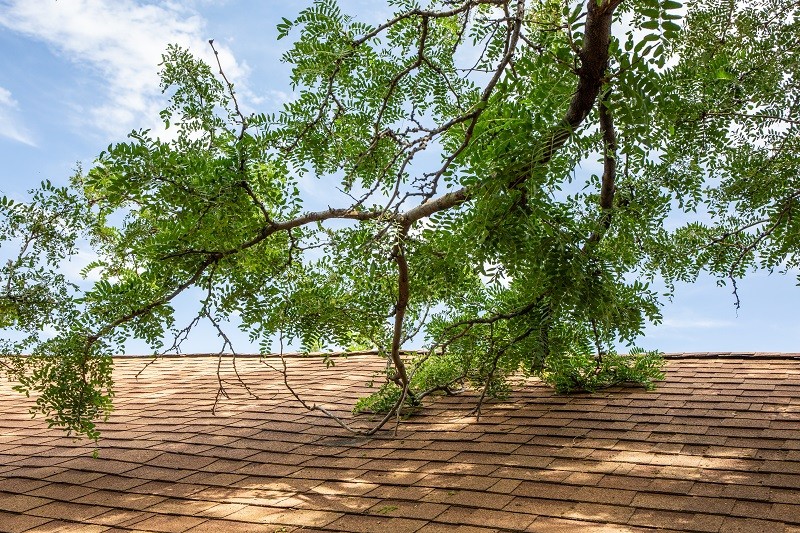
Fall tree trimming isn't just about making your yard look nice. It's also about protecting your roof from potential damage caused by overhanging branches.
The Risks of Overhanging Branches
Here are some ways in which overhanging branches can harm your roofing system:
- Accelerated shingle deterioration: When branches touch your roof, they create friction during windy conditions, which can wear away the protective granules on your shingles.
- Punctured or cracked roofing materials: Dead limbs that have been weakened by summer storms are at risk of falling onto your roof when ice accumulates.
- Clogged gutters and trapped moisture: Overhanging trees drop leaves onto your roof, which can clog your gutters and trap moisture against your roofing materials.
- Access for wildlife: Animals can use branches as pathways to reach your attic, potentially leading to infestations or other issues.
The Consequences of Ignoring Tree Maintenance
Every year, roofers in Muncie, Indiana, like those from Honest Abe Roofing, receive numerous emergency calls from homeowners who neglected tree trimming. These calls tend to increase after the first major storm of the season.
The damage reported varies from minor shingle displacement to severe structural failures that require complete roof replacement.
Take Action Now
Don't wait until it's too late. Fall tree trimming is an essential step in preparing your home for winter's challenges.
The autumn season offers optimal conditions for tree work, making it the perfect time to address this task before snow arrives. By taking proactive measures now, you can safeguard your investment and ensure the longevity of your roof.
Understanding the Risks of Tree Limbs Near Roofs
Tree limbs near roof structures create multiple hazards that intensify during Indiana's unpredictable weather patterns. Branches positioned within six feet of your roofline act as potential weapons during severe weather events.
Storm and Wind Damage
High winds transform ordinary branches into battering rams. Gusts exceeding 40 mph cause limbs to whip back and forth, scraping against shingles and wearing down protective granules. These asphalt roofing granules are crucial for the longevity of your roof, but they can be worn down significantly by constant abrasion from tree branches. During severe thunderstorms—common in Muncie from spring through fall—these same branches can snap entirely, crashing through roofing materials with devastating force.
Winter Weather Threats
Ice accumulation adds significant weight to overhanging branches. A single ice-coated limb can gain 30 times its normal weight, creating immense pressure on both the branch and any roof surface it contacts. Snow loads compound this problem. Branches that seem harmless in summer become structural threats when bearing heavy, wet snow typical of Indiana winters.
Common Types of Roof Damage
Roof damage Muncie homeowners face from nearby trees includes:
- Broken or missing shingles from repeated branch contact
- Puncture wounds through multiple roofing layers when branches fall
- Dents and depressions in metal flashing or gutters
- Granule loss from constant abrasion, reducing shingle lifespan by years
- Cracked or split wood on fascia boards and soffits
Structural Compromise
Large falling branches don't just damage surface materials. A limb measuring 4 inches in diameter or greater can crack roof decking, damage trusses, and compromise the structural integrity of your entire roofing system. The resulting water infiltration leads to mold growth, insulation damage, and interior ceiling collapse.
Research indicates that such tree-related risks could be mitigated with proper tree maintenance and distance management. Roofing contractors Muncie Indiana professionals report that branch-related damage accounts for a significant percentage of emergency repair calls following storms. The risk multiplies when dead or diseased limbs hang above living spaces, creating urgent safety hazards for residents below.
The Benefits of Fall Tree Trimming for Your Roof
Fall tree trimming Muncie homeowners schedule now creates a protective barrier before winter arrives. Trees enter dormancy during autumn, making this the optimal window for cutting without stressing the plant. The cooler temperatures mean less sap flow, reducing the mess and allowing wounds to heal properly before spring growth resumes.
Timing your seasonal home maintenance before November positions your property to withstand harsh Indiana winters. Ice storms and heavy snow loads strike Muncie between December and February. Trimming branches in October or early November removes weak limbs that would otherwise snap under ice accumulation. This proactive approach eliminates threats before they materialize into roof damage.
Why Fall Outperforms Other Seasons
According to experts, fall is the best time of year to trim trees, as it interrupts active growth cycles and attracts insects to fresh cuts in spring trimming. Summer heat stresses trees during recovery, while winter work becomes dangerous when branches freeze. Fall conditions provide:
- Visible branch structure: Bare or thinning canopies reveal dead wood and crossing branches clearly
- Reduced disease transmission: Dormant trees resist infections that spread rapidly during growing seasons
- Contractor availability: Tree services face less demand after summer storms pass
- Ground stability: Frozen soil hasn't arrived, but summer mud has dried
Storm season preparation requires action before weather patterns shift. Muncie experiences increased wind speeds and precipitation from late fall through early spring. Branches hanging within 10 feet of your roof become projectiles during 40+ mph gusts. Removing these hazards in September or October prevents emergency calls during January blizzards.
Dead branches don't announce themselves until they fall. Fall trimming sessions identify compromised limbs while professionals can safely access them. A certified arborist spots structural weaknesses invisible to untrained eyes—cracks, hollow sections, disease indicators. Addressing these issues during calm fall weather costs significantly less than emergency removal after a branch punctures your roof deck at 2 AM during an ice storm.
Preventing Roof Damage with Regular Tree Maintenance
Regular tree maintenance creates a protective barrier between your home and nature's destructive forces. Healthy, well-maintained trees develop stronger branch structures that resist breaking during severe weather events. Dead or diseased limbs become brittle and snap easily under stress, transforming into projectiles that tear through shingles and puncture roofing materials. Consistent trimming removes these weak points before they become hazards.
Tree trimming benefits extend beyond immediate storm protection. Branches that constantly scrape against your roof wear down protective granules on asphalt shingles. This friction accelerates deterioration and creates entry points for moisture. Each time wind pushes branches across your roof surface, you lose valuable years from your roofing system's lifespan. Strategic pruning maintains safe clearance zones that eliminate this constant abrasion.
Keeping Wildlife Out of Your Attic
Overhanging branches serve as highways for raccoons, squirrels, and other animals seeking warm shelter. These creatures use tree limbs as launching pads to access your roof, where they search for vulnerable spots to enter your attic. Once inside, they:
- Tear through insulation and wiring
- Create nests that block ventilation
- Leave droppings that contaminate living spaces
- Gnaw on structural components
Trimming branches back at least six feet from your roofline eliminates these access routes. Animals cannot bridge this gap, forcing them to find shelter elsewhere. This simple preventive measure protects both your roof structure and interior spaces from costly wildlife damage.
Prevent roof damage Muncie homeowners face by establishing a maintenance schedule that addresses tree growth patterns. Fast-growing species require attention twice yearly, while slower-growing hardwoods need annual assessment. Document which trees surround your property and track their proximity to your roofline. This systematic approach catches problems early, before branches reach critical distances that threaten your home's integrity.
Additional Roof Care Tips for Muncie Homeowners in Fall
Tree trimming represents just one component of comprehensive fall roof maintenance. Muncie homeowners must address multiple vulnerabilities before winter arrives.
Gutter Cleaning Muncie
Gutter Cleaning Muncie services become critical during autumn months. Fallen leaves, twigs, and debris accumulate rapidly in gutters, creating blockages that prevent proper water drainage. Clogged gutters force water to pool along roof edges, seeping under shingles and causing rot in fascia boards. Water backup can penetrate interior walls, creating expensive structural damage. Clean your gutters at least twice during fall—once in early October and again after trees finish dropping leaves. Remove all debris by hand or with specialized tools. Flush downspouts with water to confirm clear pathways. Install gutter guards to reduce future maintenance demands.
Professional Roof Inspections
Professional roof inspections provide essential protection against hidden damage. Schedule annual inspections before winter weather strikes. Trained inspectors identify compromised shingles, damaged flashing, and deteriorating sealants that homeowners typically miss. Small cracks or loose materials escalate into major leaks once ice and snow apply pressure. Inspectors check for:
- Granule loss on asphalt shingles
- Cracked or missing caulking around vents and chimneys
- Damaged or lifted flashing in valleys
- Signs of moisture penetration in attic spaces
- Structural concerns requiring immediate attention
Address identified issues immediately. Delaying repairs allows minor problems to compound, resulting in exponentially higher costs when winter weather exposes every weakness in your roofing system.
Choosing Reliable Roofing Contractors and Tree Services in Muncie
Select roofing contractors Muncie Indiana based on specific qualifications. Verify active licenses and current insurance coverage before signing any contracts. Check for certifications from major manufacturers like GAF, CertainTeed, or Owens Corning. Request references from recent projects in your neighborhood.
Essential Credentials to Verify:
- Valid Indiana contractor's license
- General liability insurance (minimum $1 million coverage)
- Workers' compensation insurance
- Manufacturer certifications for roofing materials
- BBB accreditation and ratings
- Local business address and established presence
Roofing companies in Muncie Indiana with strong local reputations understand regional weather patterns. They know how Muncie's freeze-thaw cycles affect roofing materials. They stock appropriate materials for Indiana's climate conditions. Local expertise means faster response times for emergency repairs.
Five Star Roofing Muncie Indiana exemplifies the benefits of working with established local providers. Reputable muncie roofing companies maintain physical offices where you can meet face-to-face. They employ trained staff familiar with local building codes. They source materials from trusted suppliers in the region.
Red Flags to Avoid:
- Door-to-door solicitors pressuring immediate decisions
- Requests for full payment upfront
- No written contracts or vague estimates
- Missing insurance documentation
- Out-of-state contractors with no local presence
Coordinate tree services with roofing contractors muncie for comprehensive property protection. Some roofing muncie in companies partner with certified arborists. This collaboration ensures proper clearance distances between branches and roof surfaces. Five star commercial roofing muncie indiana providers often offer bundled services for residential clients.
Request detailed written estimates from multiple five star roofing muncie in contractors. Compare scope of work, materials specified, warranty terms, and project timelines. Ask about their experience with tree-related roof damage. Confirm their availability for fall scheduling before winter weather arrives.
Long-Term Advantages of Trimming Trees Near Roofs for Homeowners
Roof longevity Muncie depends heavily on consistent preventive measures. Tree trimming stands as one of the most effective strategies for protecting your investment. A properly maintained roof can last 20-30 years, but neglected trees can cut that lifespan in half through repeated damage and wear.
How Tree Trimming Protects Your Roof
Branches scraping against shingles create abrasion that wears down protective granules. This constant friction exposes the underlying material to UV rays and moisture. Remove overhanging limbs now, and your shingles maintain their protective coating. The result: your roof performs as designed for its full expected lifespan.
Financial Impact of Proactive Tree Management
Cost savings roofing maintenance becomes evident when comparing preventive trimming to emergency repairs. Consider these numbers:
- Professional tree trimming: $300-$800 per session
- Minor roof repair from branch damage: $500-$1,500
- Major structural repair from fallen limbs: $3,000-$10,000
- Premature roof replacement: $8,000-$25,000
The math speaks clearly. Annual or biannual trimming costs a fraction of reactive repairs. Muncie homeowners who invest in regular tree maintenance avoid the financial shock of unexpected roofing emergencies.
Protection Against Cumulative Damage
Small issues compound rapidly without intervention. A single branch rubbing against your roof creates minor damage today. Six months later, that same spot develops a leak. Within a year, water infiltration damages decking and insulation. The cascade effect turns a simple trimming task into a major reconstruction project.
Why Muncie Homeowners Should Trim Trees Near the Roof This Fall becomes clear when examining long-term patterns. Fall trimming prepares your property for winter stress while trees enter dormancy. This timing reduces tree stress while maximizing protection during the harshest weather months.
Insurance claims data reveals another advantage. Documented maintenance records strengthen claims if storm damage occurs. Photos showing regular trimming demonstrate responsible property management, potentially affecting claim approval and settlement amounts.
Conclusion
Act now. Fall is the best time for Muncie homeowners to trim trees near roof areas before winter weather hits. Waiting until branches break under ice or damage shingles will cost you thousands more than taking preventive action now.
Your roof is one of the biggest investments in your home. Protect it with proper roofing maintenance Muncie IN residents trust—starting with tree management this season. Take a look at your property this weekend:
- Identify branches within 10 feet of your roofline
- Look for dead or diseased limbs hanging overhead
- Note areas where leaves accumulate in gutters
- Schedule trimming before the first freeze
Partner with local experts who understand Muncie's specific weather patterns and tree species. Professional roofers and certified arborists work together to protect your property from preventable damage. They can also identify warning signs that you might overlook—such as weak branch unions, hidden rot, and compromised shingles beneath canopy cover.
The choice is clear. You can either take control of your home's protection by proactively trimming trees or risk facing emergency repairs when branches fail during winter storms. The reason why Muncie homeowners should trim trees near the roof this fall is simple: spend a few hundred dollars on prevention or end up with repair bills exceeding several thousand.
Get in touch with qualified roofing contractors and tree services today. The decisions you make this fall will determine how long your roof lasts.
FAQs (Frequently Asked Questions)
Why is it important for Muncie homeowners to trim trees near the roof this fall?
Trimming trees near the roof in fall helps Muncie homeowners prevent roof damage caused by falling limbs during storms, high winds, or ice accumulation. It also prepares homes for winter hazards and reduces risks before storm season.
How can tree limbs near roofs cause damage in Muncie?
Tree limbs close to roofs can break or puncture shingles during storms, causing dents and structural risks. Falling branches may lead to broken or missing shingles, increasing the chance of leaks and costly repairs.
What are the benefits of fall tree trimming compared to other seasons in Muncie?
Fall tree trimming prepares homes for upcoming winter weather hazards, reduces limb breakage risks before storm season, and helps maintain roofing health more effectively than trimming during other seasons.
How does regular tree maintenance help prevent roof damage in Muncie?
Regular tree maintenance minimizes limb breakage and shingle displacement, preventing damage. It also discourages animals from accessing the attic via branches, contributing to overall roof protection.
What additional roof care tips should Muncie homeowners consider in fall?
Besides tree trimming, gutter cleaning is essential to prevent water leaks and damage during fall. Scheduling annual professional roof inspections helps catch hidden damages early, ensuring long-term roof health.
How can Muncie homeowners choose reliable roofing contractors and tree services?
Homeowners should look for qualified local experts with strong reputations like Five Star Roofing. Hiring reputable professionals ensures comprehensive home protection through expert roofing and tree maintenance services.
